Fieldwork wisdom and scientific discoveries

You can probably tell from our previous blog posts that we are having the time of our lives in the Yukon, but do not be fooled by the fact that the radiation shields for our temperature sensors are made of beer can holders: we are doing some pretty intense science over here! Today we will let you in on a few of our recent discoveries from Pika Camp and share some secrets for successful fieldwork in the alpine – shhhh.

Our trip to Pika camp was a great warm-up exercise to get all of our respective projects going. Those newest to field ecology discovered, and those more experienced were forcibly reminded that:

  • When you plan your schedule, you must double the time you think it will take, and then add at least half an hour;
  • You must always carry a spare pencil;
  • And spare batteries;
  • A small piece of pink flagging tape goes a long way when it comes to retrieving eight sunflower seeds in the tundra;
  • On the other hand, you cannot always rely on bright colours to safeguard you: a lurid yellow notebook can be irremediably lost in a field of equally yellow wildflowers;
  • And just as a reminder, you must ALWAYS carry a spare pencil AND spare batteries.
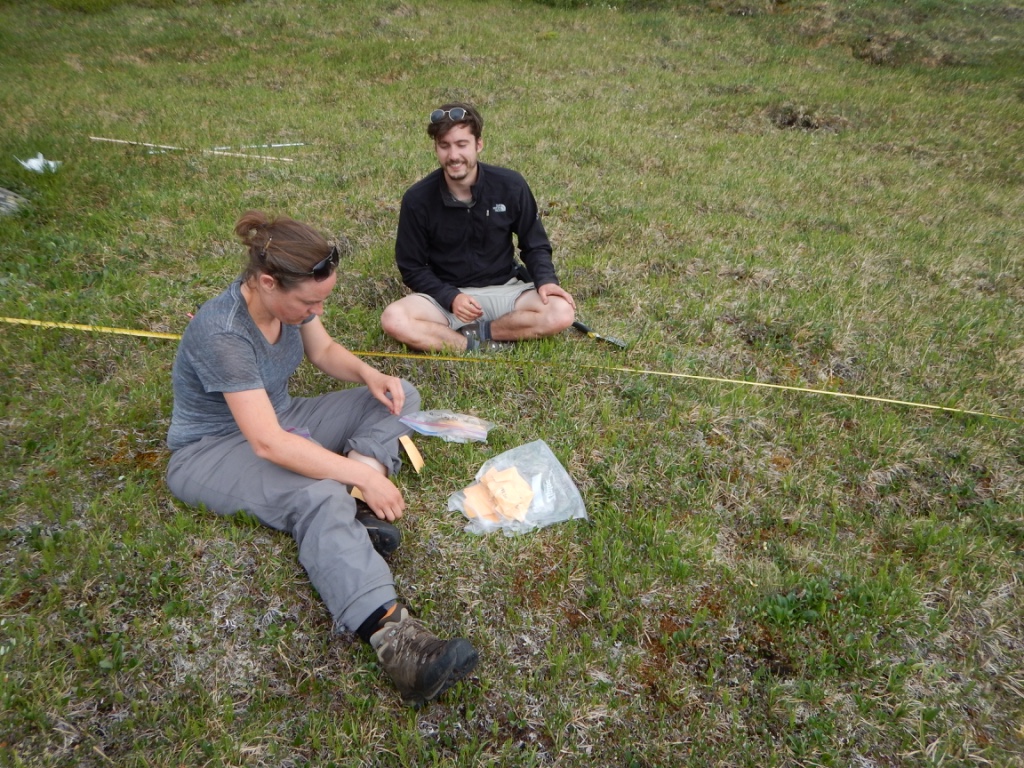
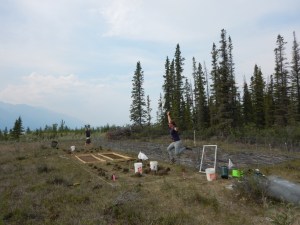
Haydn and Isla hard at work planting teabags – yep the ones that we use for making delicious warm beverages – for a decomposition experiment.

The powdered coconut milk, dried hummus and refried beans that made up most of our midnight fusion cuisine fuelled lively conversations about the findings of the day. Here is a selection of our observations, musings and scientific discoveries:

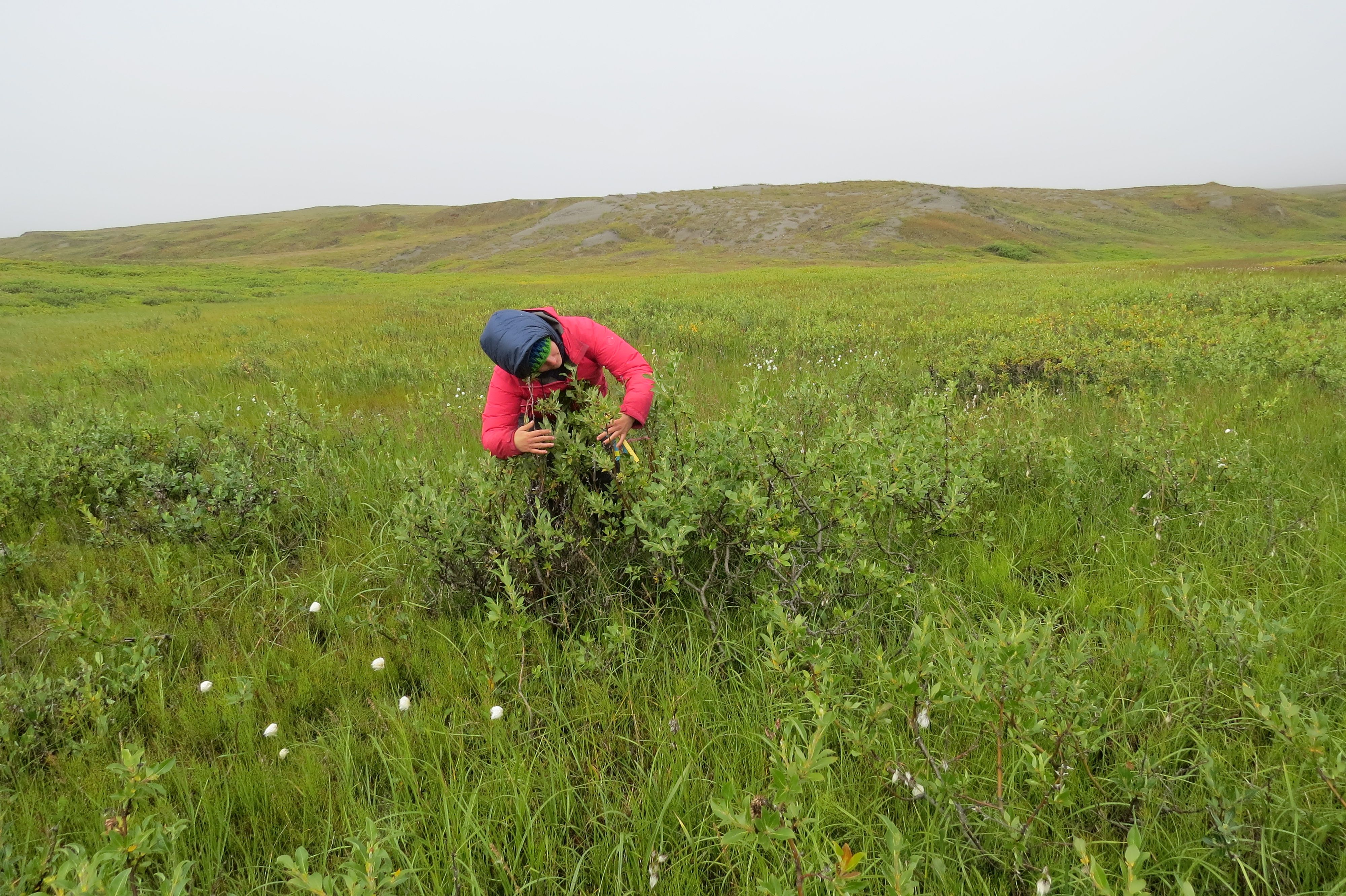
  • Sandra and Isla discoverd that five years after being completely clipped to the ground, willows can resprout and reach up to a meter in height. Quite a consoling fact considering we spent most of our time in Pika camp uprooting shrubs, leaving a scene of total desolation behind us at the end of the day in our dendro sampling plots.
  • Joe and Jakob found the highest seed predation at intermediate elevations. Could this be because small mammals find the best compromise between foraging resources and predation risk at this altitude? Or is this just where the marmots and ground squirrels were hanging out on our elevational transect.
  • Shrubs are usually thought of as strong competitors that prevent other species from establishing, but they can also act as a windshield and create a favourable microclimate for tiny tundra flowers, the same tundra flowers that Haydn was picking for his decomposition experiment.
  • Jakob found out that dwarf birch is relatively rare up there in the alpine (especially when you are actively looking for it), but it can form dense, continuous patches at lower elevations, and isolated individuals can be found all the way up to the shrubline.
  • Sandra and Haydn discovered that the roots of medium-sized willows (half a metre tall and one or two meters in width) can run underground for over three meters, which means that below-ground competition between shrubs could be pretty intensive at greater distances than we previously thought.
Oh willow, what long roots you’ve got!

We are heading off again for four days of scientific adventures on the Kluane Plateau. Happy Canada Day (1 July) and stay tuned for fresh stories when we get back!
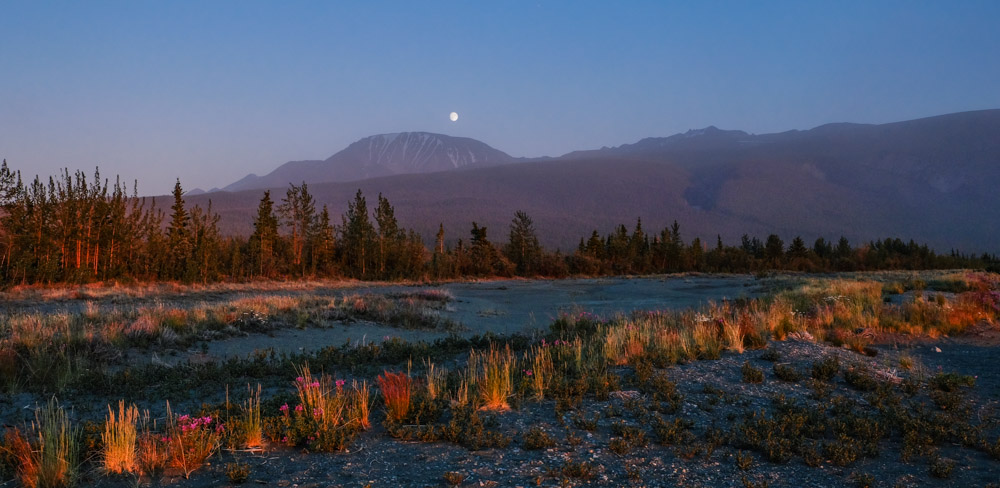
We will be camping out high up on the Kluane Plateau, at the foot of this snow-streaked peak called Observation mountain.

By Sandra

Pikas, marmots, and tubs full of shrubs

Thirty-five kilograms is a notable weight. It is, for instance, equal to a fairly large Labrador, seven thousand tundra voles, or two hundredths of an African elephant. None of these facts, however, were of any particular comfort to us as we struggled through dense shrub thickets and clawing spruce trees on our way up a mountain with a thirty-five kilogram pack on our back.

We had set off ‘early in the morning’, some time in the afternoon, in our bag-cramped, tarpaulin-roped hire car. The dirt tracks leading to the foot of the mountain were awash with wildlife: porcupines, eagles, and one large bear out for a lunchtime stroll. Car parked and boots strapped we shouldered our packs (with difficulty) and set off on the long hike to Pika Camp. Our aims were various, but we hoped to come back down the mountain with bags full of shrub-rings and samples, leaving only a few plots and tea-bags behind. The optimism of bright and exciting science lightened our step as we started off into the sun-speckled forest.

DSCN0143
Look, a shrub!

Twelve hours later. We collapsed into camp, or what would become camp as soon as we could summon the energy to put the tents up. We were scratched, bleeding, aching, broken, and one of us had accidentally discharged his bear-spray into his own side. We ate and fell asleep.

With morning came the slow unraveling of the beauty of our home for the next five days. Pika Camp sits in a valley cut between two peaks, 1,650m above sea level. Snow-fed streams gush past our camp and down to the hills below. Around us, though now hidden from view, is a spectacular mountain backdrop of snow-capped peaks and glistening blue lakes. It is, we reflected over our breakfast at 1pm the next day, not a bad place to be doing science.

SAB-5551
Sunset from East Peak.

The next few days were spent on hill-slope and mountain-top, finally getting our various projects underway. Vegetation plots, old and new, were scouted, identified and investigated for growth. Brown paper bags were filled with leaves, stems, furry catkins and tiny white flowers to examine their decomposition. Tubs were filled with willow and birch cuttings. Hikes from the valley floor to the tip of East Peak, crossing bear tracks and moose droppings along the way, tested herbivory patterns and our own perseverance. The hours were long and the days longer, but were broken by more spectacular views, tundra feasts in ‘the pod’, and perilous trips to visit our dunny-dwelling marmot friend Donald.

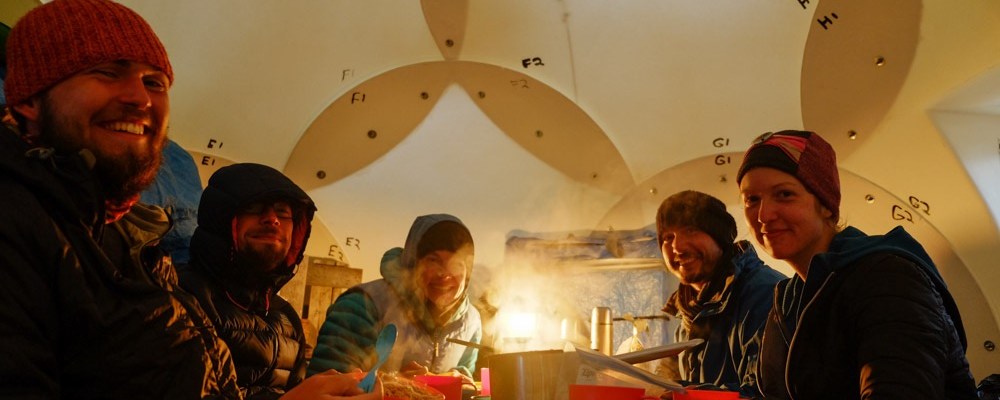
Polar scientists enjoying a tundra feast.

Many adventures later it was time to leave. After our last sips of Yukon water fresh from the alpine stream and our bags on, shrubs wrapped, tents packed and samples stacked, we set off back up the hill and down the hill to the mythical land below, where showers were hot, toilets flushed, and beds were soft, welcoming, and didn’t deflate in the night.

Until next time.
Until next time.

By Haydn

Pioneering on the plateau

Busy times since our arrival at summery Kluane: Lots of DIY, prepping for our upcoming excursion to Pika camp, digging in the garden and an invigorating trip to the Kluane plateau – scouting for potential sampling sites.

SAB-5299

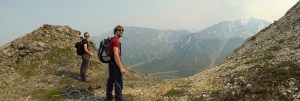
Above the shrub-line in the epic Kluane Range

DSCN0050

Sandra and Jakob at the top surrounded by the smoke of Alaskan forest fires

DSCN0079

The common garden (with shrubologists)

DSCN0024

And to prove that we do science after all: here is Isla ageing young Salix richardsonii

Solstice!

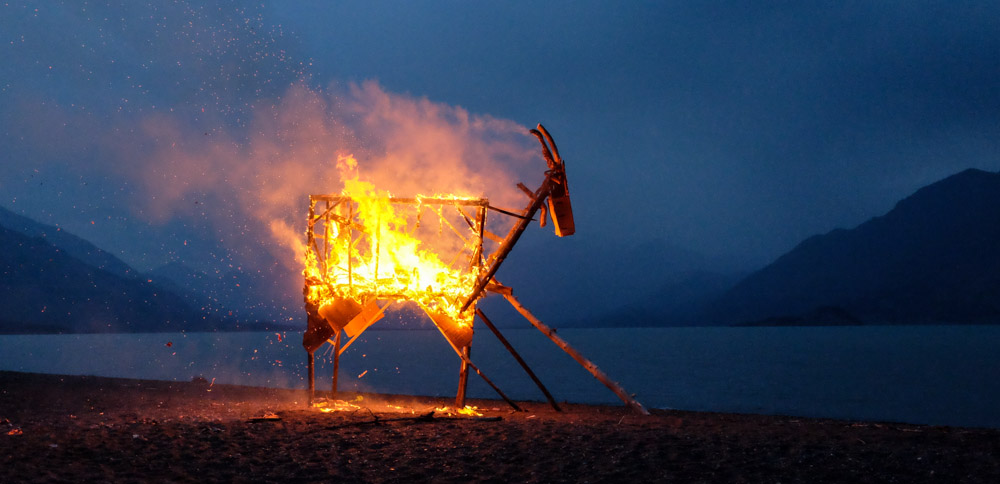
Base seemed quiet this morning, as it probably is every June 22nd. Some people had planned to take the morning off – the rest wish they had – but eventually we all creaked out of bed. Team Shrub only have 24 hours until we’re leaving for a 5 day trip to Pika Camp, and we’re not exactly ready. Yesterday afternoon’s work was written off to prepare for the solstice party, which didn’t help, but we can’t escape the feeling that staying up all night playing rugby and burning a giant cardboard goat had more of an influence.

SAB-5358
The mountain goat effigy from the solstice party

Seeing as solstices and equinoxes can bring out our inner pagan – any Edinburgher who’s been to Beltane or Samhuinn will agree – what could be a better celebration than a fire? Our answer was with multiple fires, lots of beer, and a piñata.

We were joined by visitors of all ages from local towns and other nearby research facilities, and after a titanic game of touch rugby, the first bonfire was lit and Lance’s infamous white lightning started flowing. We spent hours looking for the perfect spot between having a cold, bug-bitten back, and being slowly grilled, but the feeling of people coming together to sit and laugh round a fire was timeless – craft beer and Gortex aside.

SAB-5368
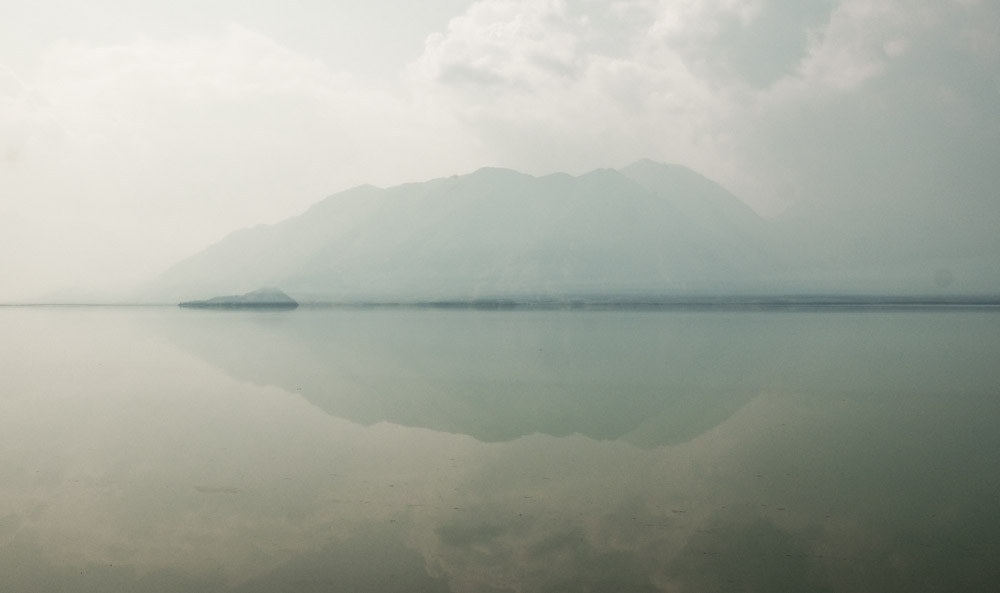
The view across Kluane lake today: a forest fire in Alaska sent a load of smoke over here

By Joe

Pioneering on the plateau

Busy times since our arrival at summery Kluane: Lots of DIY, prepping for our upcoming excursion to Pika camp, digging in the garden and an invigorating trip to the Kluane plateau – scouting for potential sampling sites.

SAB-5299
Above the shrubline in the epic Kluane Range

DSCN0050
Sandra and Jakob at the top surrounded by the smoke of Alaskan forest fires

DSCN0079
The common garden (with shrubologists)

DSCN0024
And to prove that we do science after all: here is Isla aging a young Salix richardsonii

By Jakob

Shrubs here we come!

After three days of shopping, packing and late night barbecues, we have now left the city of Whithorse and our jet lag behind us. A late night drive up the scenic Alaska Highway took us out to our new homebase at the Kluane Lake Research Station. Today the weather is summery, the surroundings stunning and the chipmunks just charming.

Now it’s time to put on our gear, grab our daypacks and go out into the field!

timhortons
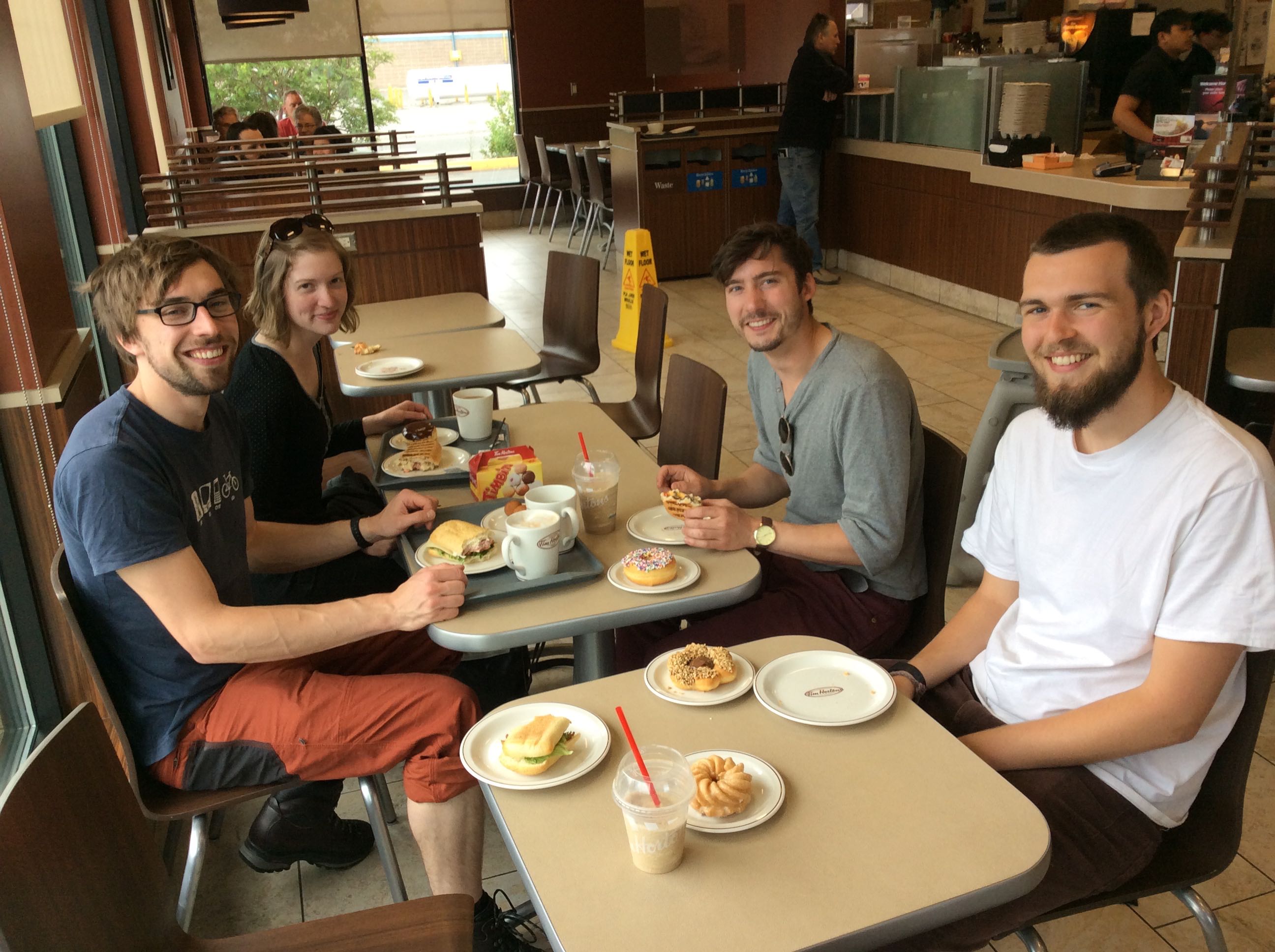
Our first TeamShrub trip to Tim Hortons!
superstore
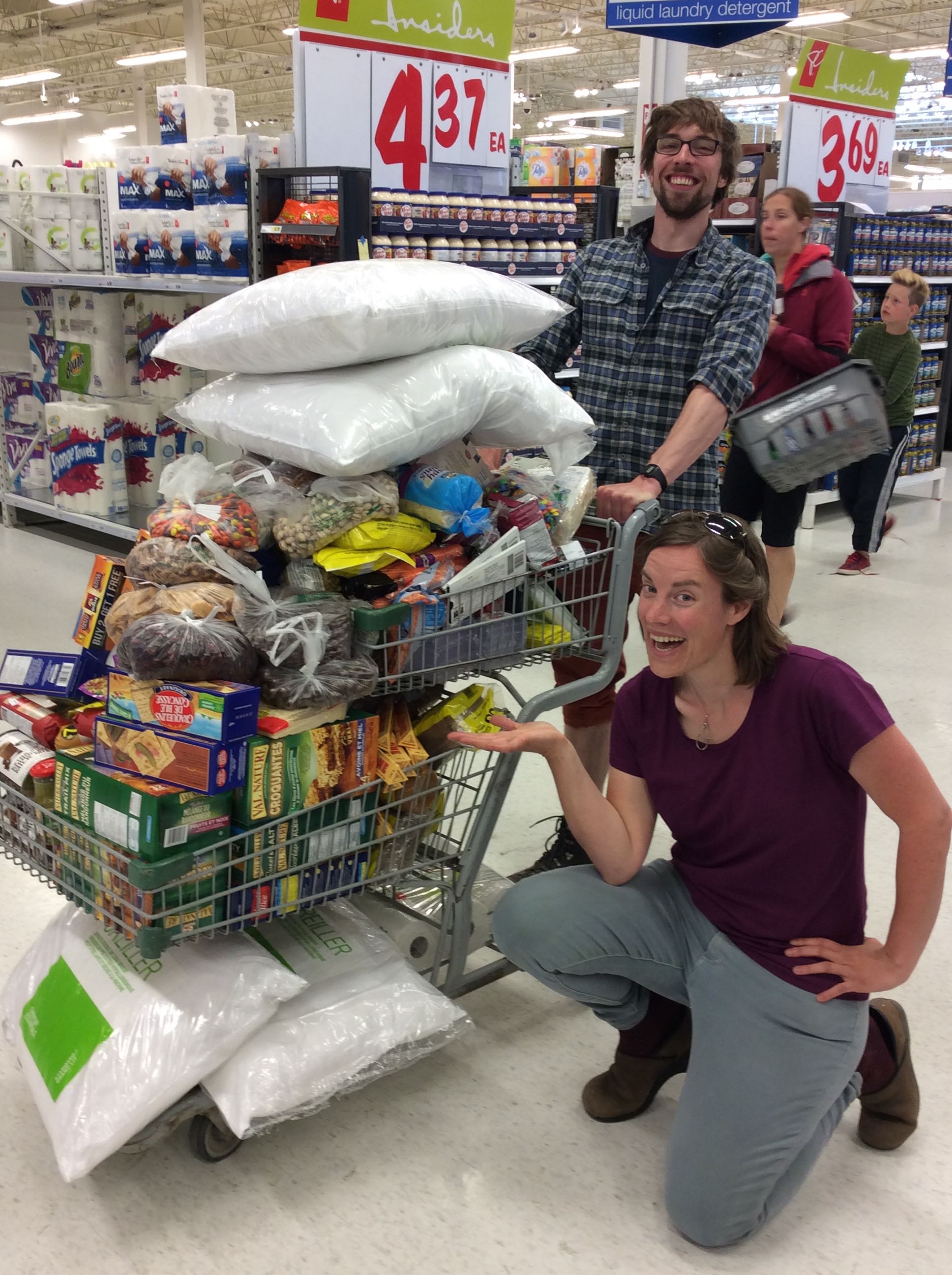
Our very full shopping cart at Superstore
SAB-5216
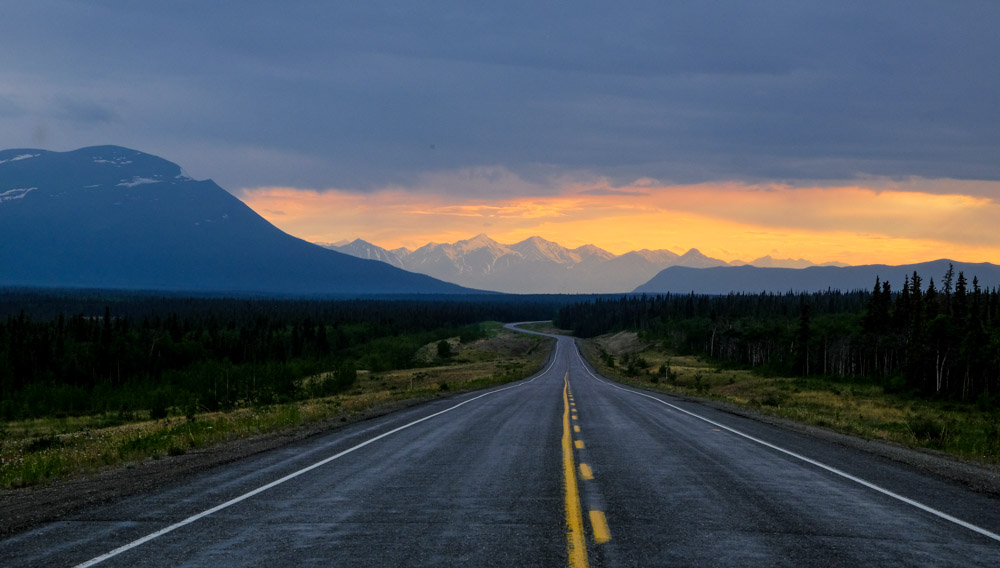
The scenic drive to the Kluane Lake Research Station (a.k.a. Base)

By Jakob

Team shrub grows!

We had a record sized team shrub meeting this week with Meagan Grabowski visiting from UBC/the Yukon, Anne Bjorkman visiting from iDiv/Germany and our new programmer Damien Georges joining the team!  Congrats to Haydn and Sandra for passing their PhD confirmation panels!!!

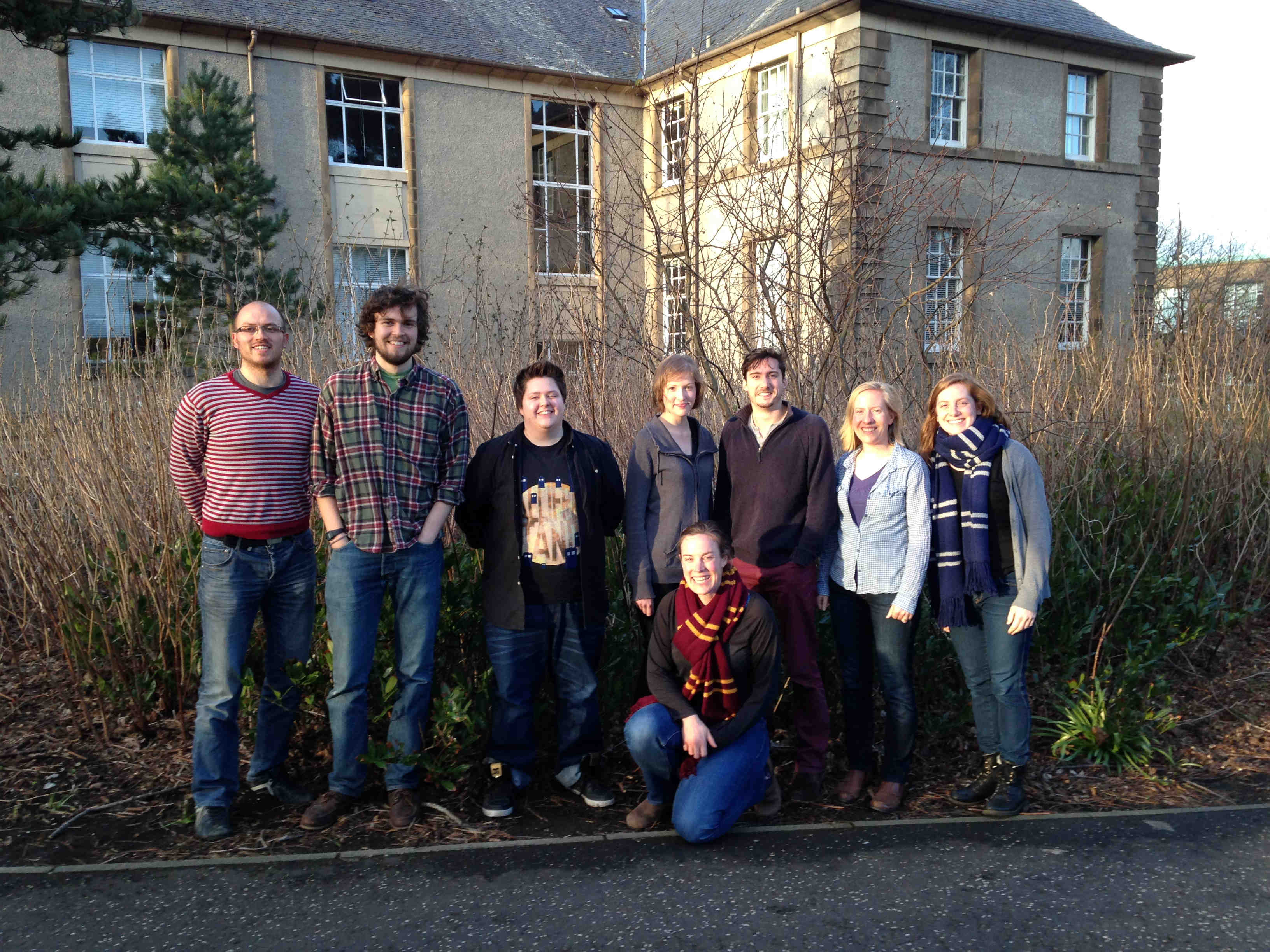
TeamShrubThe sedate photo

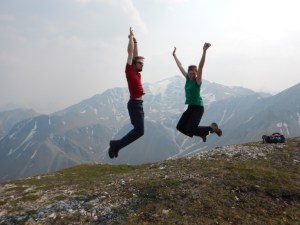
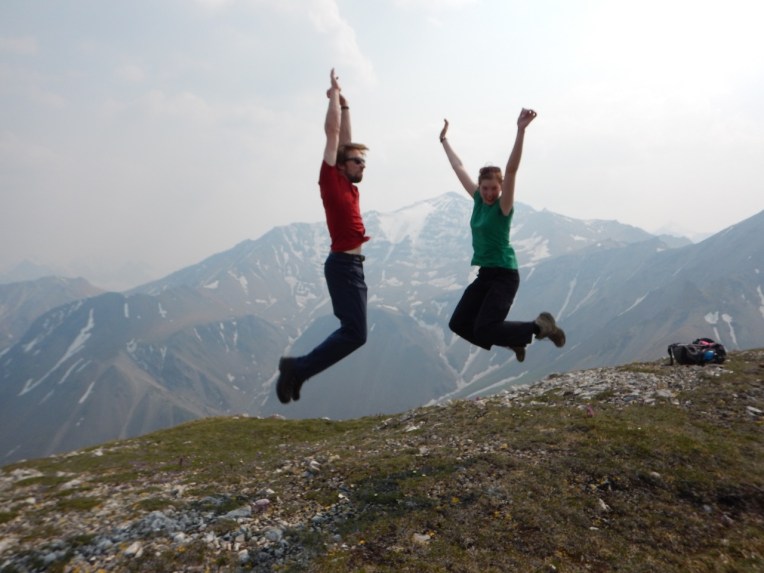
TeamShrub2 And the jumping photo!

Team shrub highlighted in BioScience

Isla and other ShrubHub members are mentioned in a recent article in the journal BioScience: Plants Duke It Out in a Warming Arctic by Lesley Evans Ogden.

From the article: “Researchers are collaborating to document and predict Arctic vegetation shifts, particularly the phenomenon of shrub encroachment, or shrubification. What do we know about vegetation change in a warming Arctic? Are shrubs taking over, and where are the knowledge gaps?… Myers-Smith uses repeat photography, vegetation monitoring, and tree ring assessment, noting a dramatic shift… In 2014, she was surprised to measure an individual with a height of 1 meter, a giant twice as tall as most others. “We named him Gunther, the tallest shrub on Herschel Island,” she says. Gunther grew 20 centimeters in one summer.”

GuntherGünther the 110-cm-tall shrub on Herschel Island