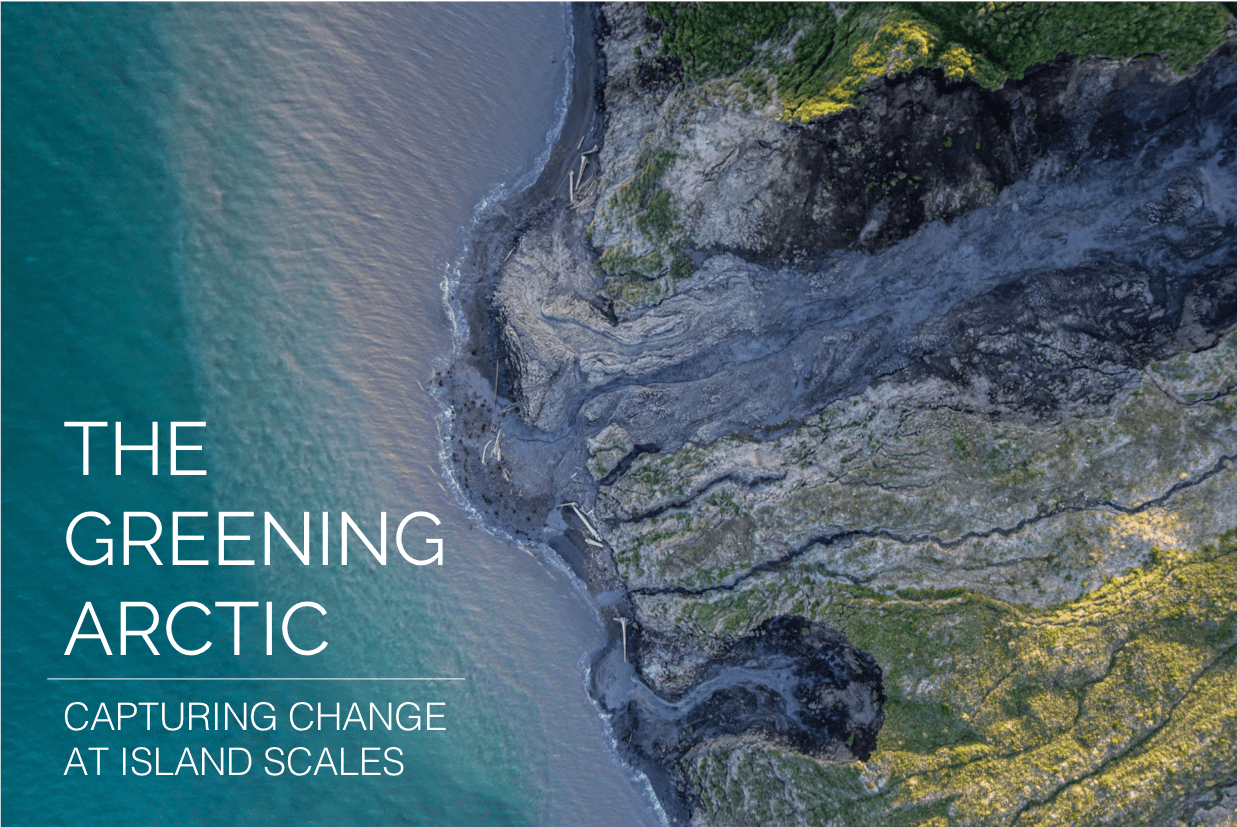
From the ground to the ice and water, climate change is altering life across the Arctic. Photo by Gergana Daskalova.
The Arctic is changing in striking ways. Temperatures are rising, sea ice is melting and permafrost is thawing, fundamentally transforming tundra landscapes. But change in the Arctic is not always obvious – in fact, sometimes it is hidden. Amidst shrubs, tucked behind stones and often surviving in the most improbable of places, many tundra plants remain unnoticed by scientists. Discovering this hidden biodiversity can help us understand how life on Earth is being altered at its northernmost extremes.
Dark diversity
Surprisingly, the tundra is home to tens and sometimes even hundreds of plant species, each with unique adaptations allowing them to survive in the Arctic. Photo by Gergana Daskalova.
From afar, arctic landscapes might appear monotonic. Shades of white and blue blend into greens and browns as the midnight sun returns to the tundra. Looking closer, however, reveals a marvelously diverse world of plants. Plants are among the first species to respond to climate change. With taller statures, denser canopies and new species moving in, arctic plant communities are continuously being reshuffled as temperatures warm. But this might not be the full picture of biodiversity change in the Arctic. It is time to look beyond the traditional small-scale monitoring plots and discover what diversity lurks across the landscape but has never been detected before. These species represent the tundra’s dark diversity.
Web of life
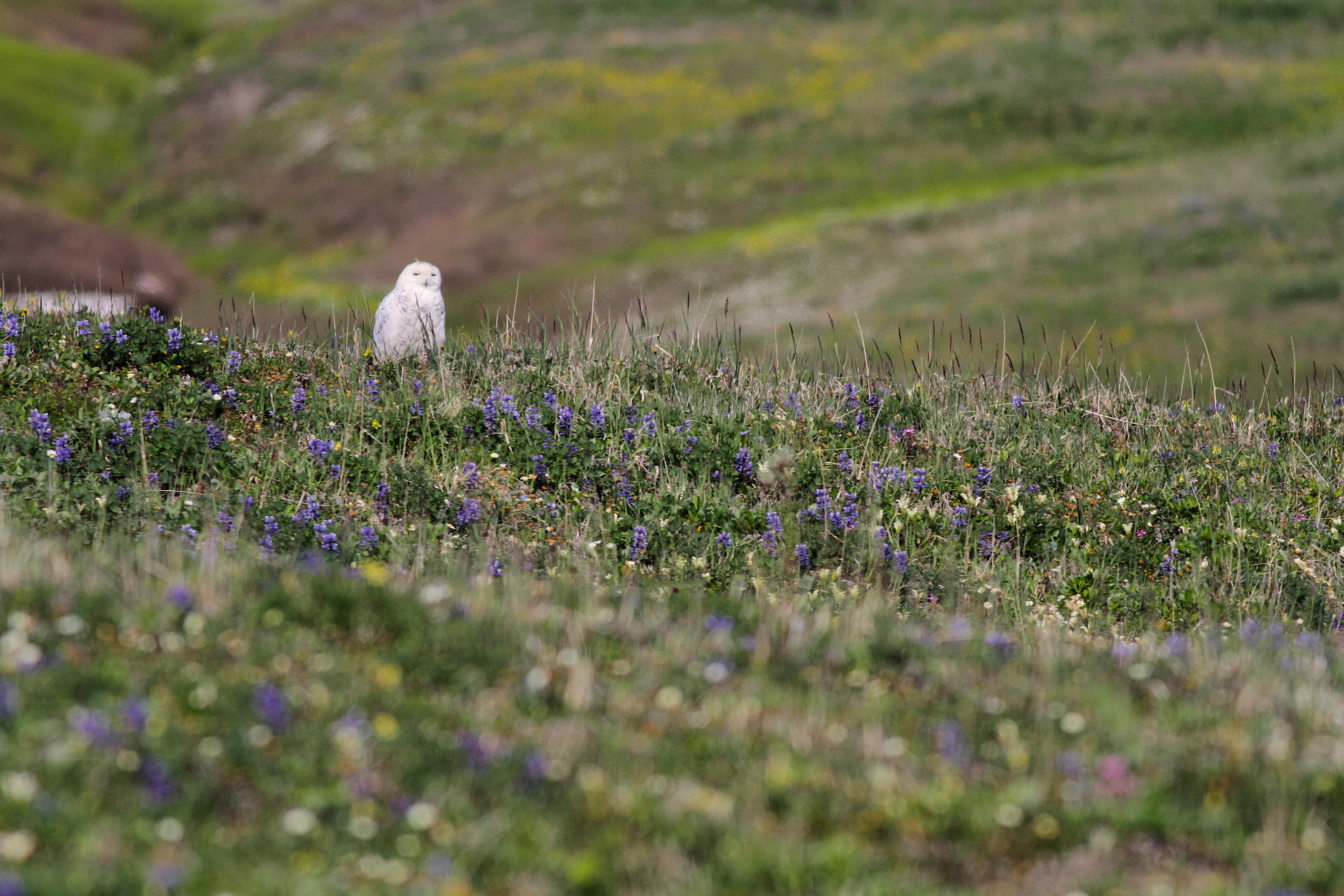
From plants to herbivores and carnivores like this snowy owl, life in the Arctic is made up of intricate connections. Photo by Gergana Daskalova.
Capturing the Arctic’s dark diversity and where it resides – in the warmer or cooler, drier or wetter parts of the landscape – will help us make predictions of how plant biodiversity will shift as the climate continues to warm. If a warmer Arctic means more species moving out across the landscape beyond the warmest hiding spots, these changes will echo through the entire ecosystems, influencing the plants, but also the animals that depend on them for food.
Everything is connected in the Arctic and when one species shifts this could lead to cascades across the interdependent web of life in the tundra.
Northern discoveries
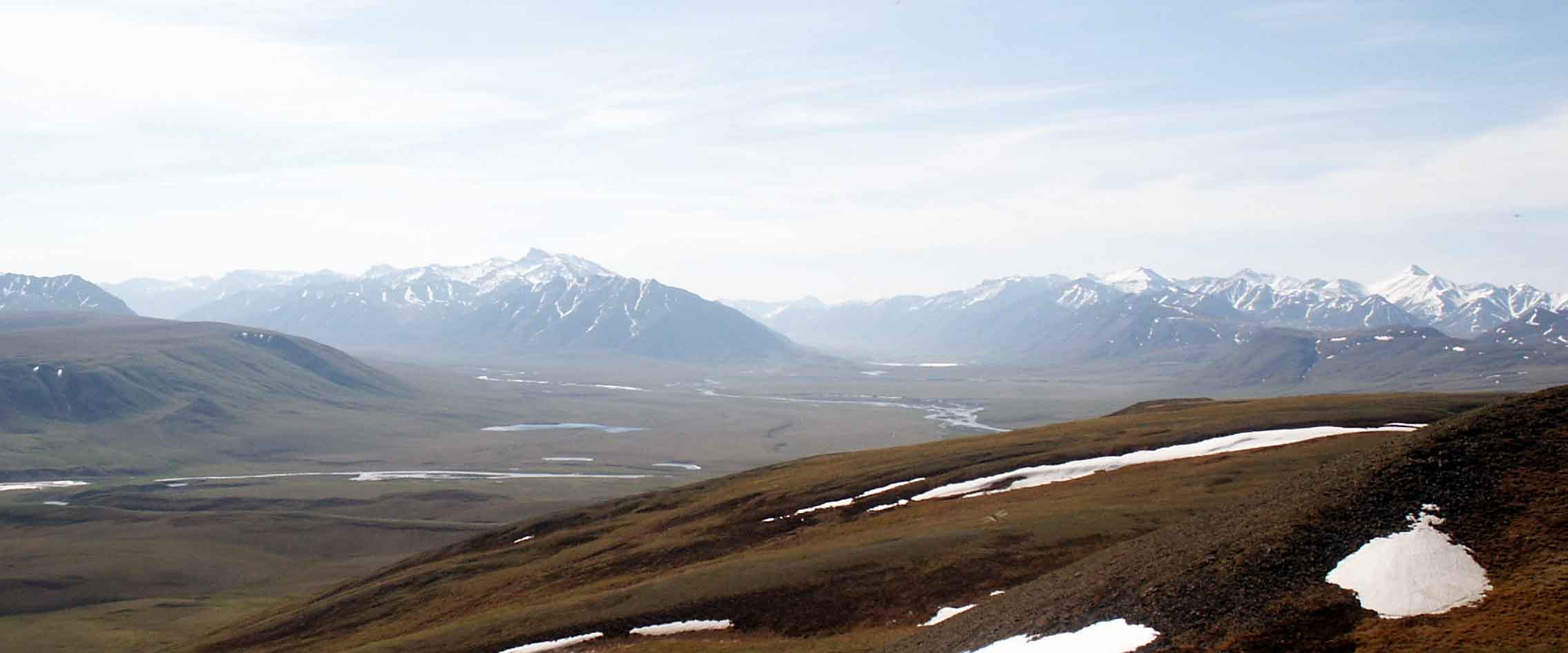
Qikiqtaruk-Herschel Island Territorial park supports a collaborative long-term ecological monitoring program, making it a key focal site for Arctic research. Photo by Gergana Daskalova.
Our goal is to find and document the dark diversity of Qikiqtaruk – an arctic island off the Yukon coast in Canada. With eyes closely scanning the ground and drones capturing the vast Arctic landscapes, we will reveal some of the tundra’s best kept biodiversity secrets. As we embark on our scientific treasure hunt, researchers from across the tundra biome will go on a search of their own. Our dark diversity protocol will travel across sites, and with each newly detected plant species, we will be getting closer to understanding ongoing and future shifts across northern ecosystems.
Some of us never even imagined they would see the Arctic. For other members of our expedition, the Arctic is home. Qikiqtaruk brought us together and we are so excited to explore the rapidly changing tundra landscapes as a team.
Follow our journey as we discover stories of hidden biodiversity and unique experiences at the northern edges of the world.
Every summer in the Arctic, a dark frozen landscape rapidly transforms into a vibrant tundra ecosystem rich with plants and wildlife. This remarkable yet brief transition from 24-hour darkness to midnight sun creates a tundra teaming with life which has drawn scientists north for decades. The answers to big questions about how, where, and why life survives can be found here at the climate extremes of the planet.
Over the last half century, scientists and people living around the Arctic have started to notice a much broader transformation. Tundra landscapes are fundamentally changing, and from space, the Arctic now appears much greener than it used to be! Sea ice breaks up earlier in spring and returns later in fall. Wildlife such as moose and beaver are moving north. Bare ground is becoming vegetated and where plants once grew they’re now growing taller. This may be the biggest biological signal of climate change anywhere on the planet.
The Arctic, where life is shaped by an extreme climate, holds the key to our understanding of global patterns of diversity and species interactions. However, the scientific findings to date are full of contradictions. For instance, not all satellites seem to agree on which areas are greening. In some places, where satellites suggest big landscape changes, those changes aren’t obvious on the ground – and vice versa. Detailed records of vegetation change collected over decades can miss species lurking just outside of monitoring plots. And it is this hidden biodiversity that could be what will reshape the Arctic landscapes of the future.
Making sense of how rapidly the tundra is changing is critical for understanding global climate change. The Arctic is warming faster than any other place on Earth. These high latitudes are home to a third of the planet’s soil carbon – that is vulnerable to loss as the region warms. And if that frozen carbon is released, it will further warm the planet as a whole. The changing Arctic affects us all.
We are Team Shrub – a group of scientists, photographers and drone pilots. We’re heading to the Yukon Arctic Coast and Qikiqtaruk – Herschel Island this summer to study the rapidly changing Arctic as we have for the past decade. We will work alongside local collaborators, and share an inside account of our journey.
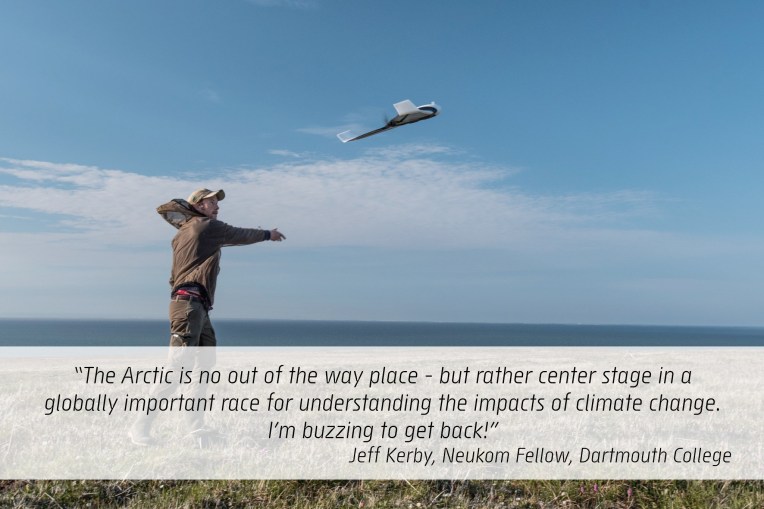
A brief intro and pre-departure thoughts from long-time Team Shrub collaborator, expedition photographer, and Arctic scientist Jeff Kerby:
“Extreme weather and climate have spurred incredible adaptations in Arctic plants and wildlife, while also shaping the region’s deep human history. This diversity of extremes initially drew me to the north as a biologist a decade ago, but now rapid Arctic warming threatens to reshape these stories. I’m excited to return to Qikiqtaruk-Herschel Island this summer to collaborate with Team Shrub by using photography for two purposes: 1. as a scientific tool, continuing my work as a fellow at the Dartmouth Institute of Arctic Studies, 2. and to tell stories, building on my experiences as a National Geographic photographer, by sharing perspectives on Arctic science, climate, and life in a globally important region as it transforms in front of (and often beneath!) us.”
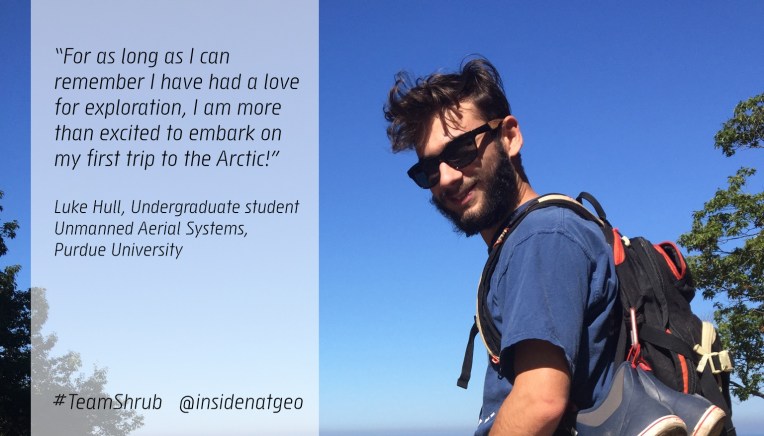
I’m Luke Hull, a certified drone pilot and an undergraduate student at Purdue University majoring in Unmanned Aerial Systems (UAS), part of the school of aviation. The course of studies includes construction, operations and data analysis of unmanned systems solutions as well as general aviation operations and aircraft maintenance. My passion for unmanned systems, combined with my love for the outdoors, has sparked my interest in working with and creating innovative solutions for unmanned aerial systems in different environmental applications. For as long as I can remember I have had a love for exploration, I am more than excited to embark on my first trip to the Arctic!
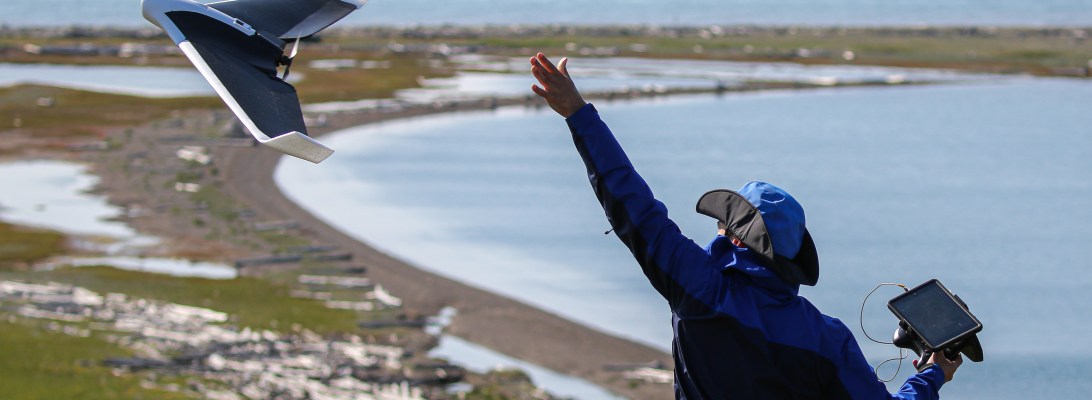
Flying drones on Qikiqtaruk – Herschel Island in the summer of 2019. Photo by Gergana Daskalova.
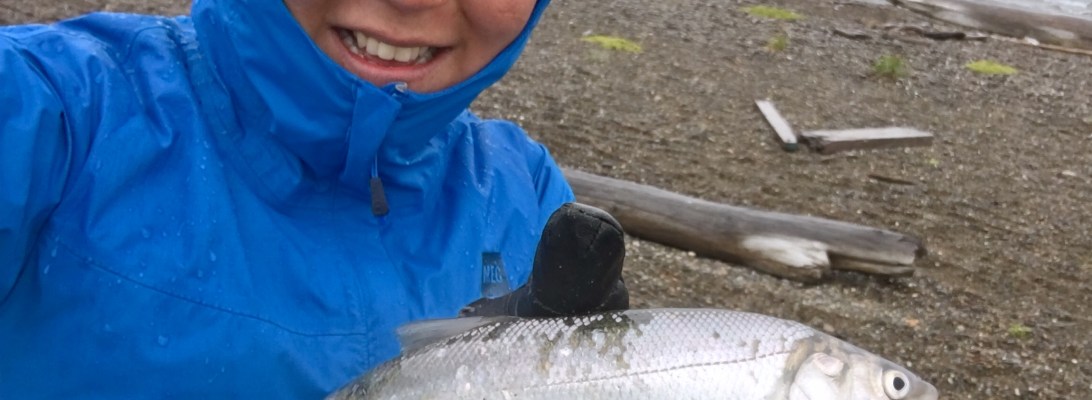
My name is Kayla (Nanmak) Arey. I am Inuvialuit from Aklavik Northwest Territories. I am also a scientist, with a degree in Northern Environmental and Conservation Sciences. Arctic research and engagement of traditional knowledge are essential for stakeholders to make informed decisions regarding the management of Arctic ecosystems. This is so important to me because the Arctic is more than landscapes and animals, it is my home, and my community.
Kayla on Qikiqtaruk in the summer of 2018. Photo by Cameron Eckert.
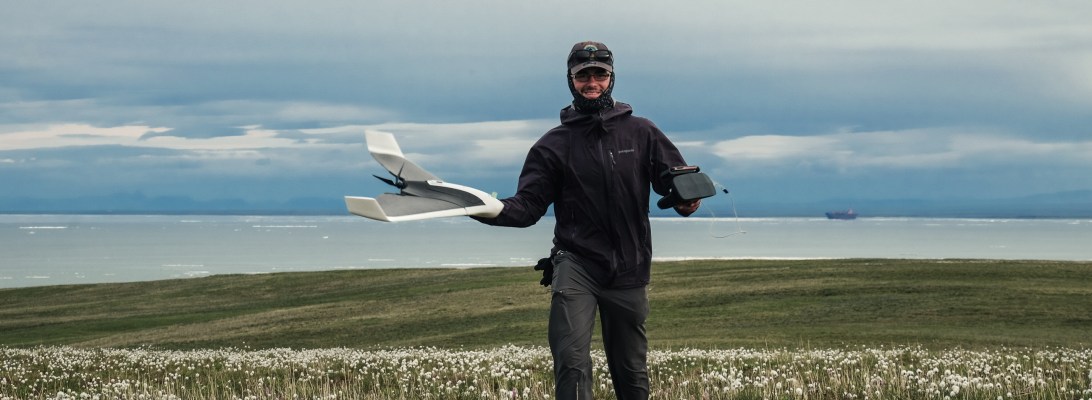
Returning from a successful drone flight after a smooth landing in the surrounding cottongrass. Photo by Sandra Angers-Blondin.
I’m Noah Bell, a member of Team Shrub for the past year, and I am passionate about drones and climate science.
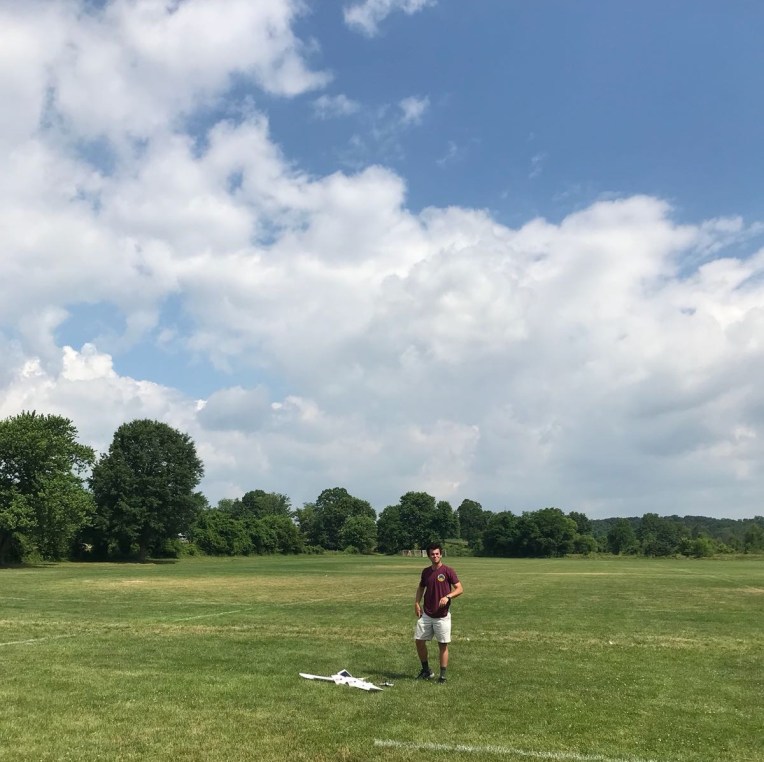
Where I grew up, in Washington, DC, it is illegal to fly drones anywhere in the city, so I had to travel well outside the beltway to practice. I studied civil engineering at the University of Vermont (UVM) and worked at the school’s Spatial Analysis Lab, an applied research facility that uses geospatial technology to assess a wide variety of environmental and human resource needs. While earning my engineering degree, my research lab experience exposed me to imaging projects that included emergency planning for developing nations and using drones to map invasive species, inundation areas, and riverbank erosion. During my third year, I became a certified drone pilot and was sent to fly mapping missions in such exotic locations around the US as Lake Tahoe, Hawaii, and the Massachusetts Turnpike.
When you’re not in the Arctic, it can be tricky to find places to fly drones.
Last summer after graduating from UVM, I joined Team Shrub as the drone pilot for the climate-vegetation research team heading to Qikiqtaruk – Herschel Island. There, I fulfilled my dream of being able to fly a drone anywhere I wanted, so long as the weather, winds, mosquitoes and wildlife cooperated. But it was on the ground, working with the amazing biologists and ecologists during their annual study of the island, that was the most rewarding experience. The summer was extremely rich in new perspectives while learning about climate impacts on Arctic ecosystems from the researchers themselves.
I have recently moved back to Washington, DC to work at a local engineering firm where I hope to get authorization to use drones to monitor the health of green roofs used to store stormwater and keep the city’s rivers clean from sewage runoff. But part of me wants to be back where, once you’ve got permits and certificates approved by the Canadian government, the only authority needed to carry out drone research is nature itself.
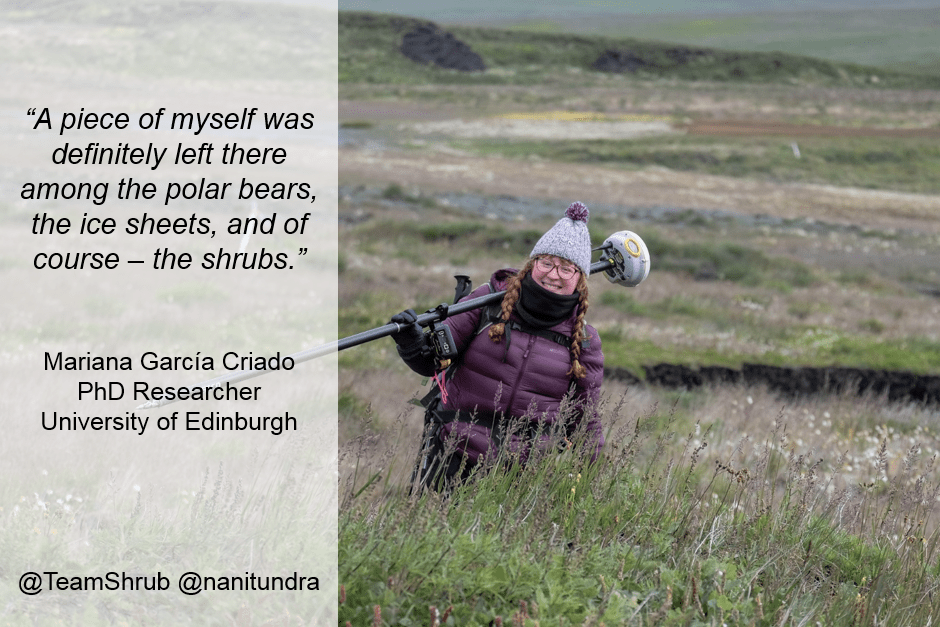
Me happily carrying a Global Navigation Satellite System around the tundra. Photo by Sandra Angers-Blondin.
My name is Mariana and I have been part of Team Shrub for almost two years now. I am currently working on my PhD, which focuses on understanding plant species responses to climate change in biomes found at extreme climatic and seasonality conditions, with a particular focus in the tundra.
I have always been drawn to remote and exotic places. Being born and raised in the gentle Mediterranean climate of southwestern Spain, “exotic” did not only mean tropical latitudes, but also the northernmost Arctic ecosystems. I recall developing a long-term fascination with the tundra after my Geobotany professor at University explained that the word ‘tundra’ derives from Finnish ‘tunturia’, meaning a treeless plain. I remember thinking just how poetic and appealing that sounded – even though, ironically, I have always loved trees.
That promise of such different and sometimes dramatic environments, shaped by centuries of cold temperatures driving geological and ecological processes, took me traveling to the north of Europe over the years. I visited Iceland, Norway, Sweden and Finland, and was entranced by what I found there. In Iceland, some landscapes resemble moonscapes and are truly otherworldly. In Fennoscandia, the transition of boreal forest into tundra forms a very interesting ecotone. But all these landscapes have something in common. Life above the Arctic Circle has a special light, and a different rhythm.
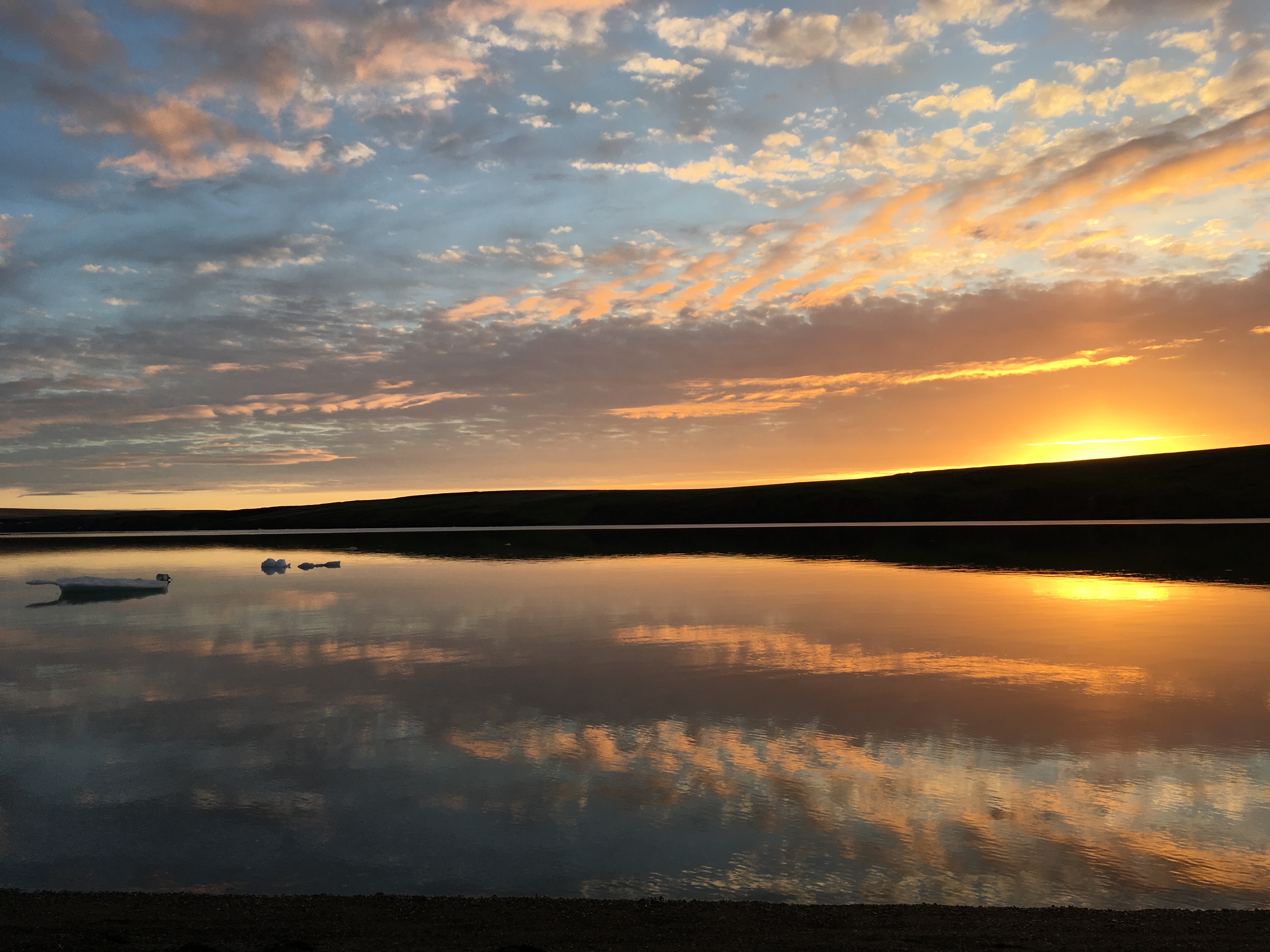
One of the most spectacular midnight suns we saw in Qikiqtaruk, around 2am. Photo by Mariana García Criado.
Developing a PhD project with Team Shrub made me realise that I did not only have to settle with admiring the tundra biome – I could also understand it. This search for answers took me to the Canadian Arctic in the summer of 2018 as part of the field crew to collect data on tundra greening. I remember the moment the plane left us on the strip of sand that acts as an airport runway in Qikiqtaruk. We watched the Twin Otter take off and disappear towards the mainland, and I remember thinking I had never felt so far away from everything.
But after a month in the island I felt fully at home in Qikiqtaruk, and no longer far from anything else. The fieldwork, the wildlife sightings, the exuberant midnight sun, the collaboration with researchers and the Inuvialuit people, and the new friends made along the way are experiences that I will always treasure. All the memories from last summer still feel very close to my heart and I really hope to return to Qikiqtaruk one day. A piece of myself was definitely left there among the polar bears, the ice sheets, and of course – the shrubs.
Cottongrass in Qikiqtaruk, with a view of the thawing permafrost in the slumps in the distance. Photo by Mariana García Criado.
I’m Gergana Daskalova and my motivation for exploring the Arctic stems from my love for heading off into the unknown in search of new discoveries and being part of a larger community with a common mission.
These two passions of mine have been common threads throughout my life, and on Qikiqtaruk-Herschel Island in the Canadian Arctic, they come together. I didn’t expect to ever see the Arctic with my own eyes, yet now it feels natural to be eagerly awaiting my third summer in the tundra. I am one to first go to a place chasing the unknown and then return pulled by an urge to contribute to a vision and understanding extending beyond just me. This crossroad between individual drive and common aims, between international explorations and a sense of belonging has been at the base of many of my decisions in life. This is the crossroad that ultimately led me to the Arctic.
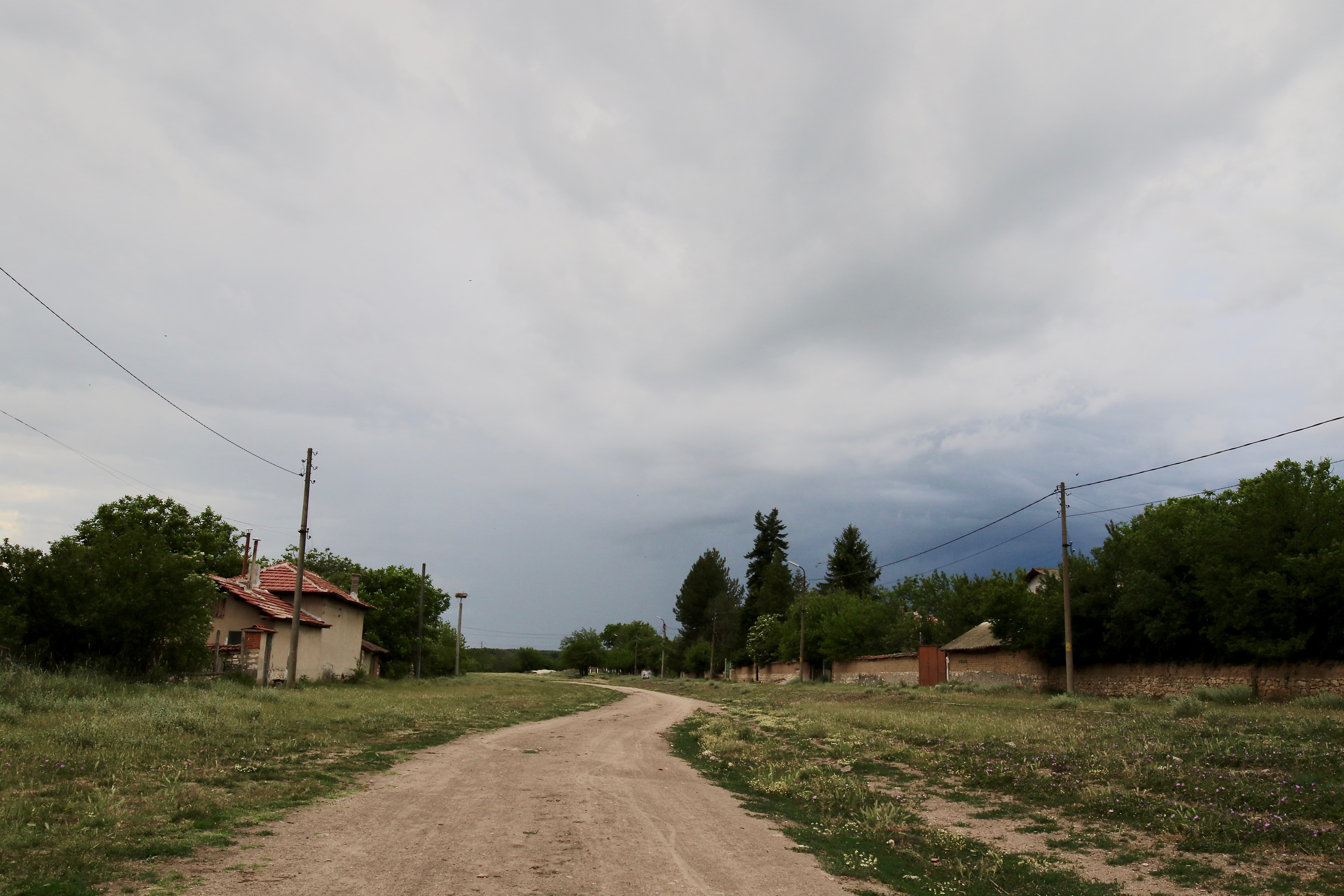
Roads like this one in the Bulgarian village Tyurkmen have played a big role in people’s lives for many generations. Photo by Gergana Daskalova.
Though there have been many crossroads, my journey started with the simplest of roads – a dusty dirt road in the Bulgarian village Tyurkmen. I am from probably one of the last generations in Bulgaria to have grown up running around village roads like this one. If you’re ever looking for someone here, chances are they are either in their garden, or “on the road”. Village roads are where grandparents wait for their children to return, where gossip flies fast as dust in the wind, where cow bells mark the beginning and end of each day. As a child, I rushed to the road every morning as soon as I heard the bells and watched first the cows, then the sheep and goats, and finally the buffalos head to pasture. We would play all day on the road until the buffalos returned as the sun was setting.
The last tomato harvest before the autumn frosts combines tones much alike those of traditional Bulgarian attire. Photos: Harvest (Gergana Daskalova) and portrait (Galina Daskalova).
Village roads are where many people, me included, first saw the world beyond their own homes. I grew up running between the garden and the road. Perhaps that’s what made me a quick runner – I was always dashing across wanting to see and experience life both in the garden and beyond. I loved hanging around my grandparents – we made endless jars of peach compote, turned pig fat into soap and seemed to always be watering the garden. I dedicated many hours to mastering the art of telling when a watermelon is perfectly ripe. But I was also always lured by the road, the far away neighborhoods (them being a whole half an hour walk away!), the dam and the fields. I grew up, and so did my world. Now it stretches way beyond the furthest field I dared explore as a child. I have found my passion and chased it all around the planet – from the wet and windy hills of Scotland to the hot red dust of the of Australian outback and now north to the Arctic. My world is much bigger now, but I am still very much split between the pull of home and the pull of the unknown.
Behind this basement door, tens of jars of pickles and compote remain unopened. Photo by Gergana Daskalova.
First people wondered how I could ever leave my garden. I was picking tomatoes and making tomato sauce till the very last day before my flight to Edinburgh where I would start my undergraduate degree in ecology and environmental science later the same week. I became one of the many villagers who hide away their gardening hoes, lock whatever doors can be locked and walk off into the distance. Then people wondered why I keep coming back. It is unusual for someone from a village like mine to go to places like Australia and the Arctic. What’s even more unusual, however, is for them to then come back to the village. Some of my gardening hoes were stolen the first year I left the village. My neighbor remarked: “well, you can’t blame whoever stole them, nobody thought you’d ever come back to use them again”.
Once the roofs fall, rain begins to wash away the sod from the walls and soon only a pile of stones remain to mark what was once somebody’s home. Photo by Gergana Daskalova.
There isn’t anyone waiting by the road for me in the village anymore, the generations have turned and now I’m the one trying to preserve the traditions, home and garden I grew up with. Most of the houses on my road are empty and many say my village is on the way to becoming one of Bulgaria’s many ghost villages. Places ruled by memories, hidden or lost stories and a once jubilant past that may never come again. But I still see life in my village – different life to the life around me when I grew up, but life worth coming back for, nonetheless.
“Katmi” – the Bulgarian version of pancakes – are traditionally made over a fire, with the fire lit at the crack of dawn, so that the stone heats up enough. Once I use to wake up to the smell of katmi, now I wake up early to start the fire. Photo by Yovina Daskalova.
Villages are changing and this new epoch for rural areas can impact cultures, ecosystems and biodiversity. But if nobody is there to see it, if nobody returns, then we will never know what these new types of villages might mean for life around us. Similarly, the Arctic is changing, and it is not enough to just go to the Arctic once to capture how climate warming is altering life across northern latitudes. We need a long-term perspective – the kind of perspective you gain by returning, listening and working with the people for whom the Arctic is a long-term home. I am learning to embrace my age-old dilemma, to use it as the fuel for my motivation in my research, but also in my life. I love going to new places, but I also love returning to the places that I’ve already been to foster a much deeper connection and understanding over time.
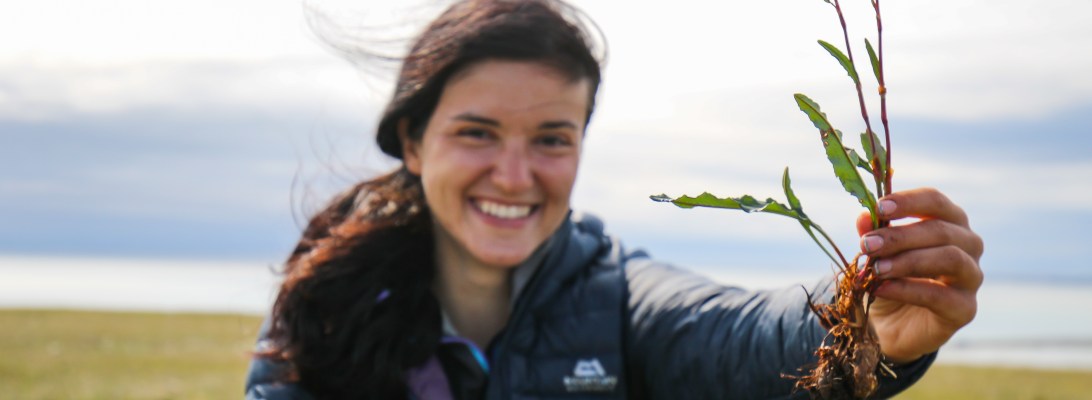
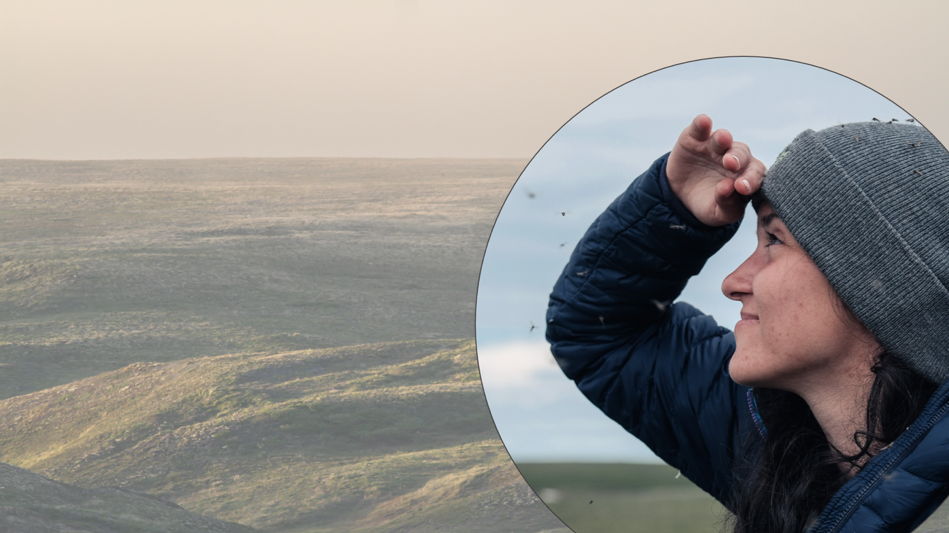
Though monotonic at a first glance, tundra landscapes support a surprising diversity of plants. Photos: Landscape (Gergana Daskalova) and portrait (Sandra Angers-Blondin).
I don’t remember ever thinking about the Arctic, or shrubs growing up. My interests in plants were mostly utilitarian – jams, compotes, pickles, stakes for the cucumbers that would turn into pickles. And yet, here I am today, with my mind literally spiralling like our tundra protocols do to capture hidden biodiversity. A surprising diversity of tundra plants lurks across these landscapes, and I am eagerly awaiting our return to Qikiqtaruk-Herschel Island.
For the Arctic’s Hidden Biodiversity project, I will be teaming up with Yukon Parks rangers and scientists from the Arctic (check out Kayla Arey’s bio just above this post) and beyond (read more about Team Shrub and about Isla Myers-Smith here). We will combine extensive ground surveys of Qikiqtaruk’s flora with aerial monitoring using drones. Our goal is to capture the tundra’s dark diversity – the species that lurk across the landscape yet have never been recorded inside small-scale monitoring plots. These elusive species might be the ones that shape the arctic ecosystems of the future, and I am so excited to return to Qikiqtaruk and work together with the community of people on the island to shed light on the tundra’s dark diversity.
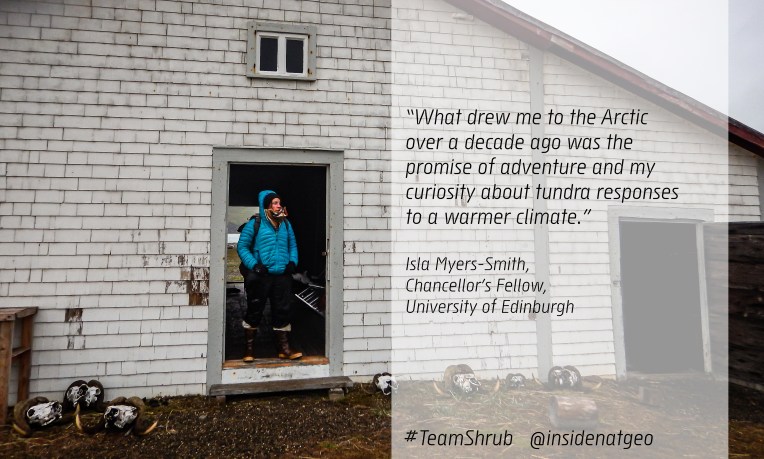
I’m Isla Myers-Smith a global change ecologist from the University of Edinburgh in Scotland. I study plants in the Arctic and beyond and how ecosystems are responding as the planet warms. I work with my research group Team Shrub using all sorts of tools from measuring tapes to drones to capture Arctic change that we are seeing first hand at our Yukon field site Qikiqtaruk and around the tundra biome. What drew me to the Arctic over a decade ago was the promise of adventure and my curiosity about tundra responses to a warmer climate. I can’t wait to return this summer to add another piece to the puzzle of understanding Arctic greening!
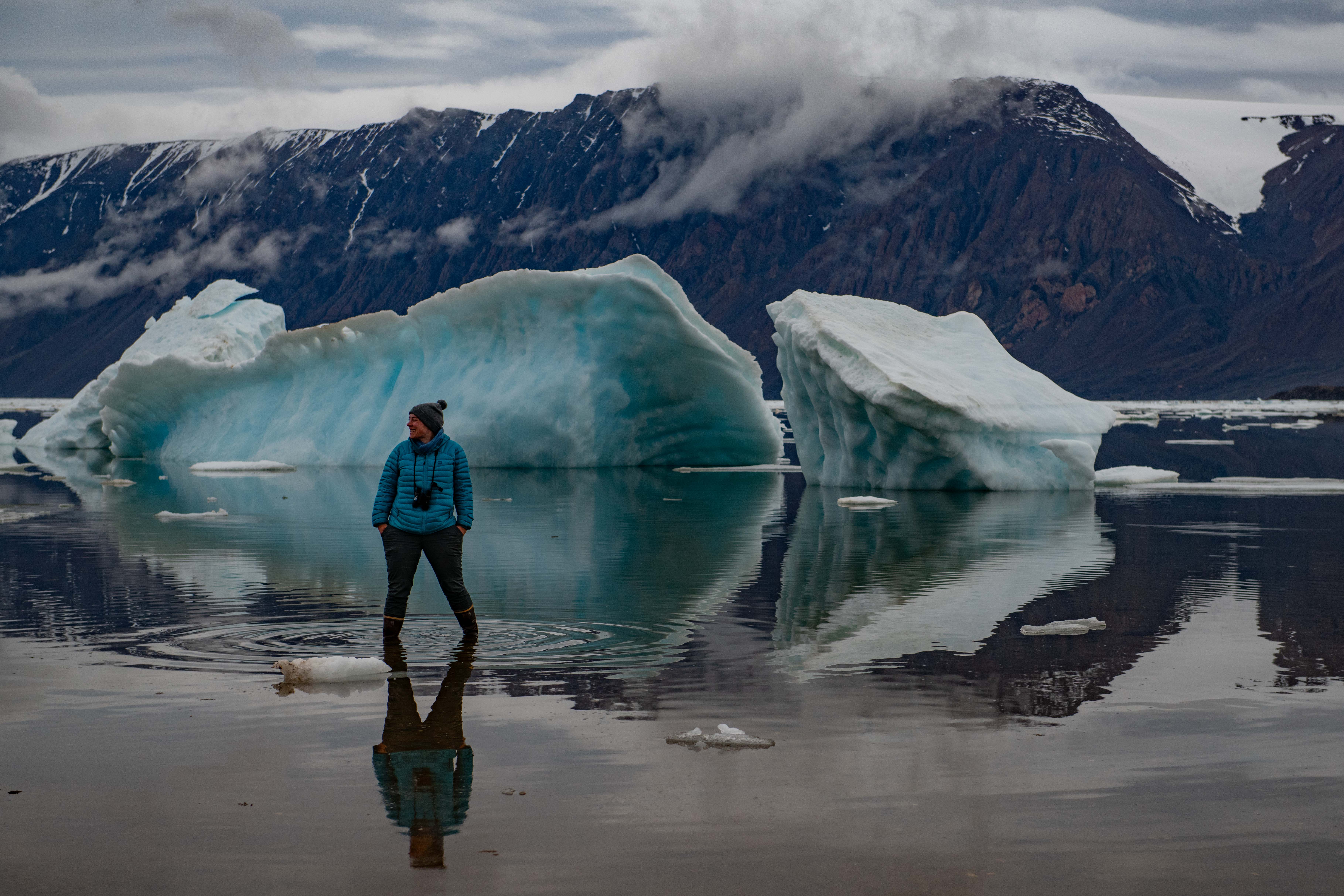
Me walking among the ice bergs up on Ellesmere Island in the Canadian Arctic last summer. Photo by Jeffrey Kerby.
Looking back it is hard for me to pinpoint when exactly I developed a fascination for the lands north of the treeline – the tundra. And I don’t know when it was that I first knew that working to understand change in the Arctic was going to become my life’s passion. It has been 30 years since I first went North as a child and 17 years since my first trip to the Arctic. I have been studying the impacts of Arctic climate change since 2008, the first time I set foot on Qikiqtaruk – Herschel Island. As I build a deeper and deeper connection to that place, I also am forming a deeper understanding of the change that is occurring on Qikiqtaruk and around the Arctic.
My first trip to the Canadian North in 1989 and my first bush pilot flight out over the Kluane Range Mountains. Photo by Jamie Smith or Judy Myers.
My first trip to the Canadian North was when I was a 9 year-old kid. My parents were biologists and my father was working on a project in the boreal forests of the Yukon Territory. My childhood memories of that first trip North are mosquitoes, mountains, plane flights above the Kluane icefields out towards Mount Logan, and of course people who now are lifelong friends.
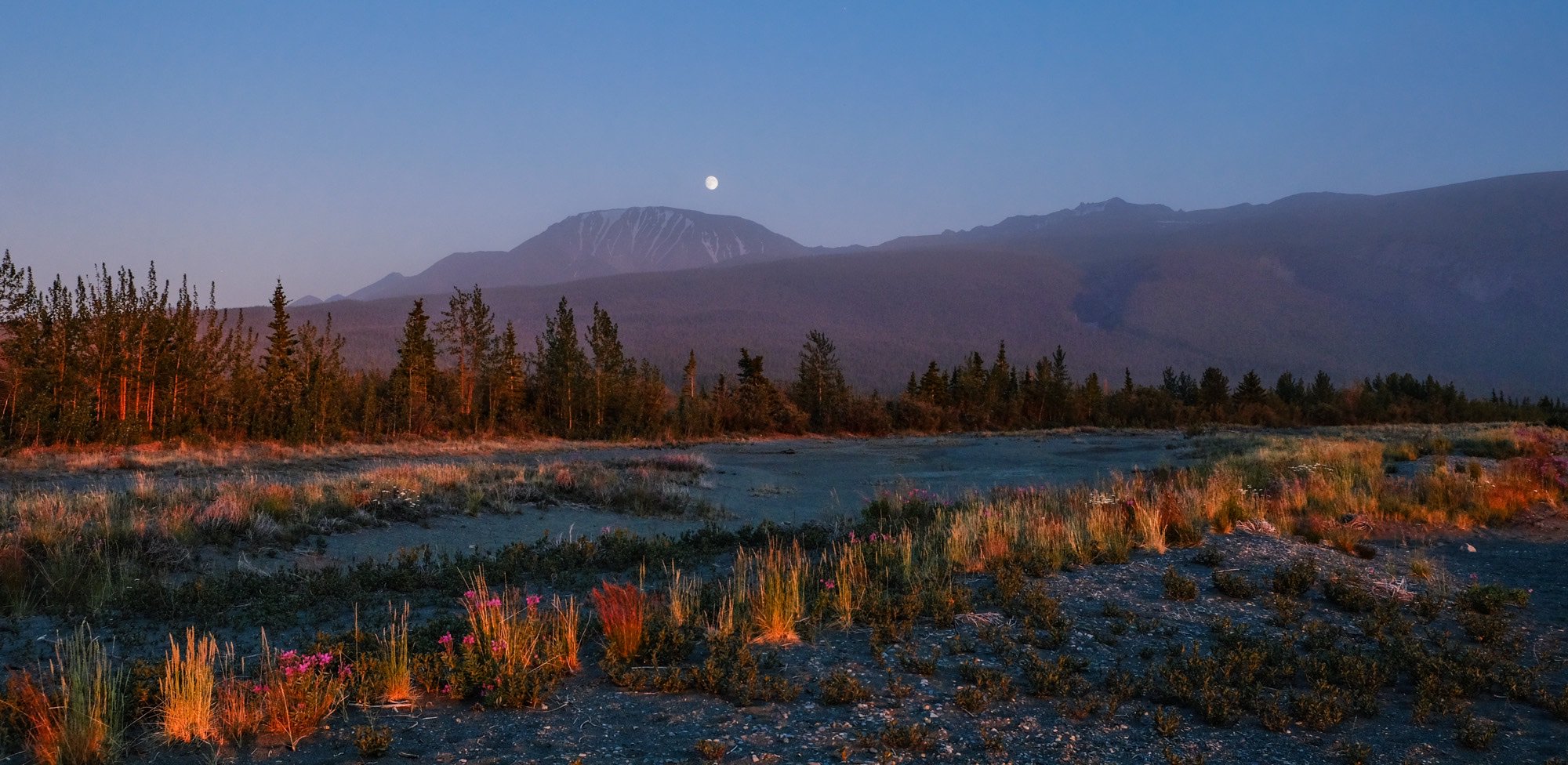
The Kluane Region of the Yukon Territory – my first introduction to the north as a nine-year old child. Photo by Sandra Angers-Blondin.
Twelve years later when I was in university, I asked my undergrad thesis supervisor where should I go to do my graduate studies and she said she always thought Alaska sounded adventurous. And a year later I was moving north to the University of Alaska Fairbanks. My first trip beyond the Arctic Circle was at the very beginning of my time in Alaska. We drove up the Hull Road from Fairbanks the 600 kms North above the Brooks Range, beyond the farthest north spruce tree, to the Toolik Lake research station. It was here that I first formed an understanding of the impacts of a warming climate on tundra ecosystems – the focus of my research today.
An old photo of mine from my Alaska days in around 2003 in the Brooks Range north of treeline in Alaska. Photo by Isla Myers-Smith.
Six years later, I made my first trip to Qikiqtaruk – Herschel Island, the destination for our 2019 research expedition. I was hanging out in the Kluane area conducting my PhD research on the increases in shrubs in the alpine tundra of the mountains around Kluane. In the same place where my father had been studying birds twenty years prior. And, I heard out about a trip to the Arctic coast of the Yukon – they were short one member of the team – someone to study the plants.
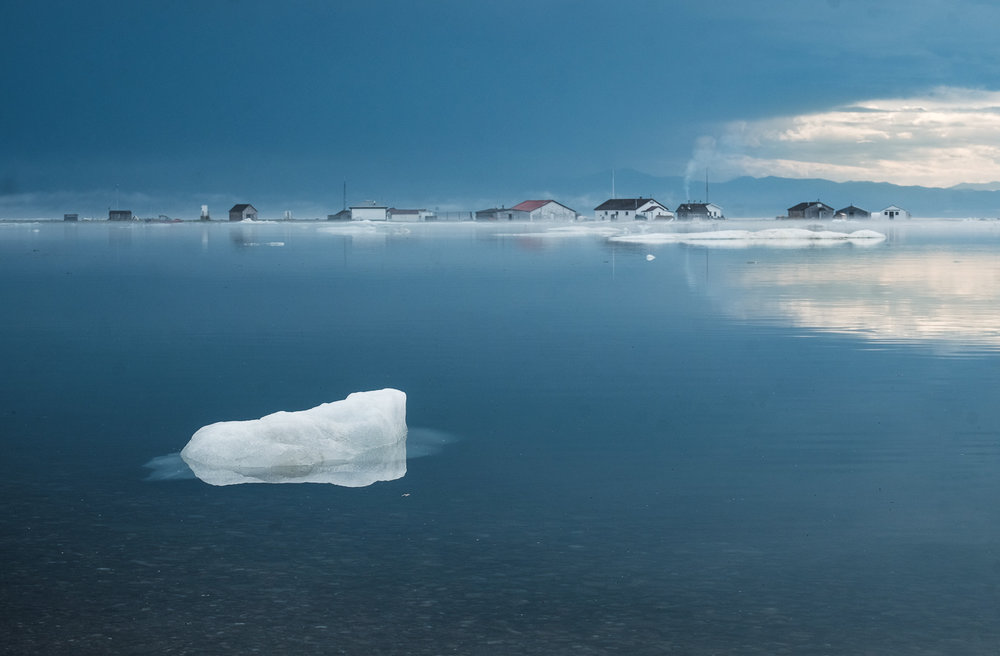
Pauline Cove (or Ilutaq) on Qikiqtaruk – Herschel Island on the Arctic Coast of the Yukon Territory. Photo by Sandra Angers-Blondin.
The Yukon is a triangular shaped territory in the far northwest of Canada adjacent to Alaska. Most of the people live in the southern parts of the Yukon with nearly 80% of people living in the biggest town Whitehorse. There aren’t many people living in the Northern part of the territory which is mostly wilderness where wildlife range free. Up on the Yukon Arctic coast there are no permanent settlements, though Inuvialuit people visit the coast to fish, harvest wildlife and live off of the land. Very few other people get the opportunity to visit this remote part of the Canadian Arctic. So when the opportunity arose to replace a botanist on a trip up there, I jumped at the chance.
A lone caribou on Qikiqtaruk-Herschel island with an abandoned oil platform in the background. Photo by Jeffrey Kerby.
Qikiqtaruk means the island in Inuvialuktun, the local language. My first memories of visiting Qikiqtaruk are of the plane flight out there from Inuvik. My first trip was on a float plane – a one and a half hour flight out to the island with all your food for the trip. It is a sometimes exciting flight across the vast Mackenzie Delta, along the Arctic coast past remnants of cold war radar stations and oil exploration from the past. It is the only island along the Yukon Arctic coastline – a chunk of mostly frozen mud, green with plants in the summer. On first approach it often emerges from the mists.
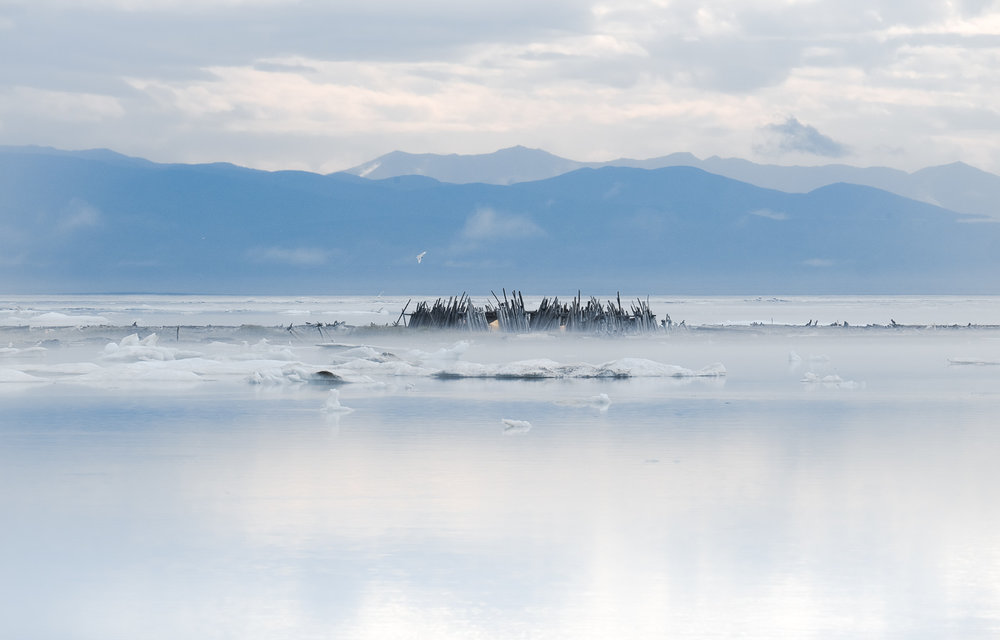
Tent shelters in the mist on Qikiqtaruk – Herschel Island. Photo by Sandra Angers-Blondin.
I have been back to Qikiqtaruk eight times and every year for the past six years. This summer I will have the chance to return again to this place that is the territory of the Inuvialuit people, but feels like an Arctic home to me. I am eagerly anticipating that flight where we head out again across the delta with our plane load of gear and food. When we finally land on the rough beach airstrip and are greeted by the Park Rangers. That moment when I step down off of that plane and back on to the island that I have come to know and where I get to observe firsthand the change that is happening across the Arctic.
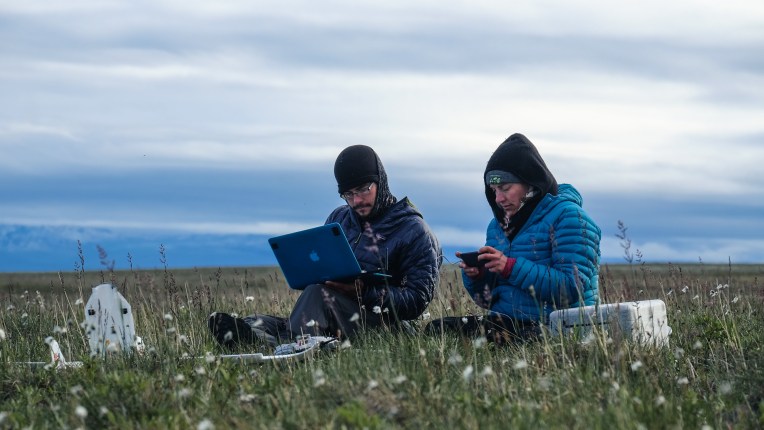
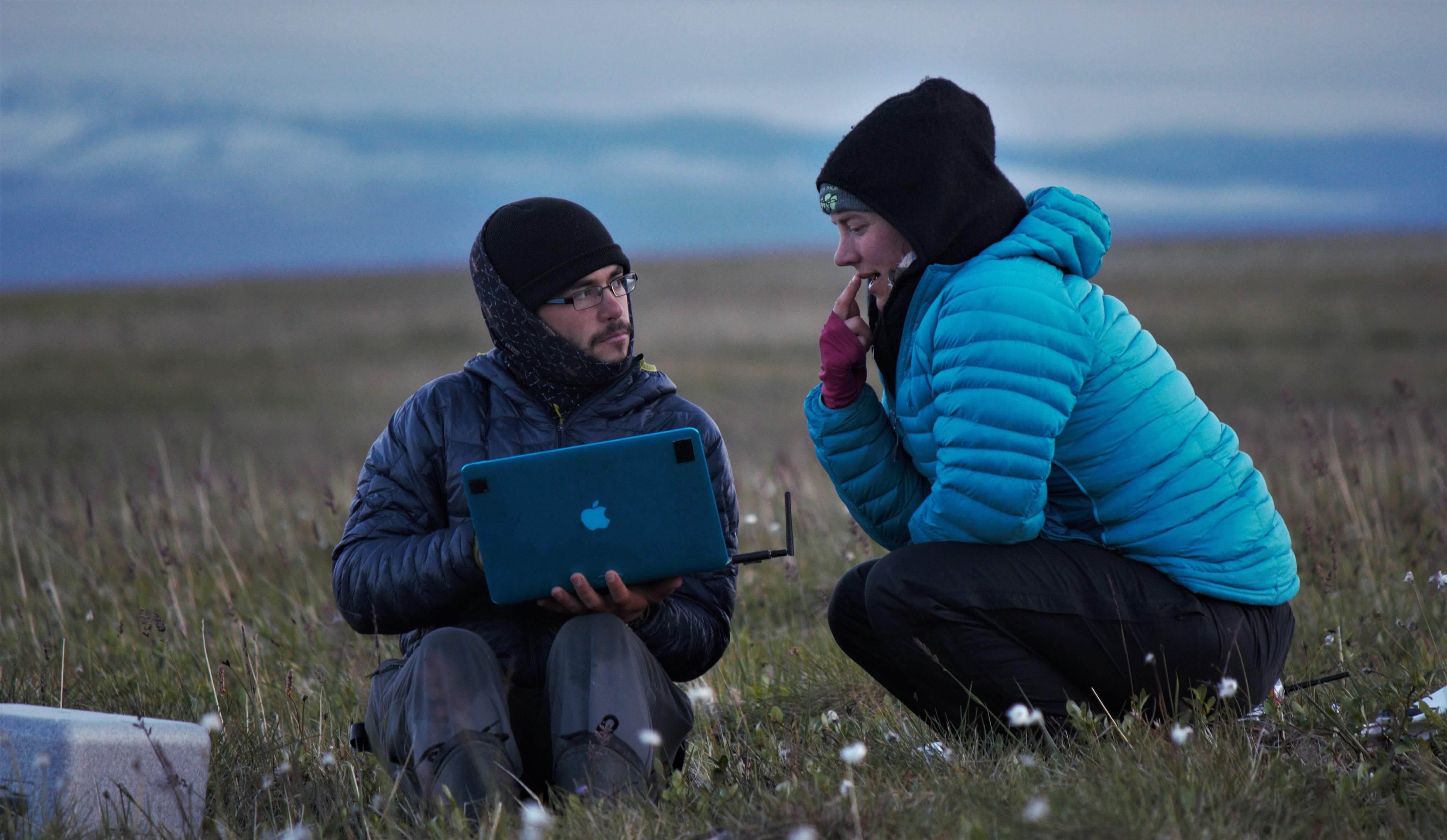
Discussing drone flights with pilot Noah Bell on Qikiqtaruk in 2018. Photo by Kayla Arey.
















 Team Shrub