We are currently a team of 23 postdocs, PhD, MSc, undergrad thesis students and coordinators. If you are interested in joining Team Shrub, check out PostDoc and PhD opportunities here.
| Team Leader | PhD Students | Former Postdocs | Former Undergrads |
| Lab Employees | MSc Students | Former PhD Students | Visiting Students |
| Postdocs | Undergrads | Former MSc Students | Research Networks |

Team Leader
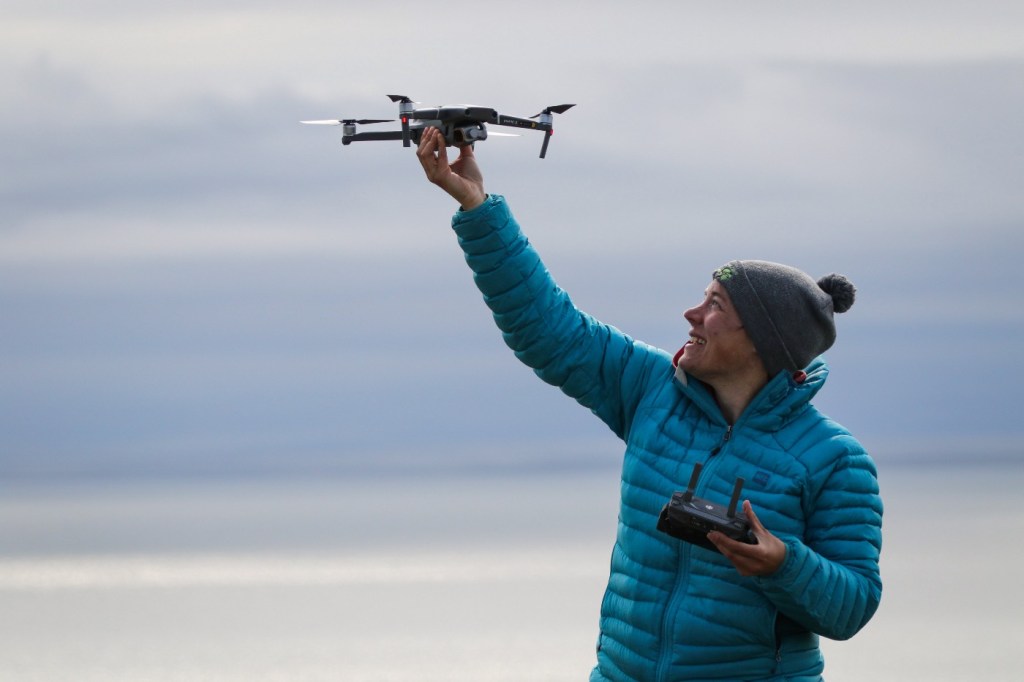
Prof. Isla H. Myers-Smith (she/her), GitHub, ORCID, Google Scholar
Department of Forest & Conservation Sciences, Faculty of Forestry, University of British Columbia
Global Change Research Institute, School of GeoSciences, University of Edinburgh
e-mails: isla.myers-smith (at) ubc.ca, isla.myers-smith (at) ed.ac.uk
I am a global change ecologist and a Canada Excellence Research Chair from the University of British Columbia. I study how ecosystems are responding as the planet warms in the Arctic and beyond. I use tools from measuring tapes to drones to capture the impacts of climate change on tundra ecosystems. I have been working for two decades conducting field research in the Yukon Territory in northwest Canada. I also work collaboratively to synthesize data from sites across the tundra biome. I work with Northern partners and Indigenous communities in my research. I also explore how to communicate scientific findings and the impacts of climate change to broad audiences.
Lab employees

Dr. Pauline Deschodt (she/her)
Research Coordinator/Project Manager
Faculty of Forestry, University of British Columbia
I am the new Research Coordinator on Team Shrub and I work with Isla to manage our research funding and team. I am very excited to get to know the team, our Northern research partners and collaborators and to contribute to our research. My PhD and postdoc research was on host-natural enemy interactions, particularly pathogens-pathogen and pathogen-parasitoid interactions based at Simon Fraser University. I also have teaching and lab management experience. I am very excited to be joining the team!
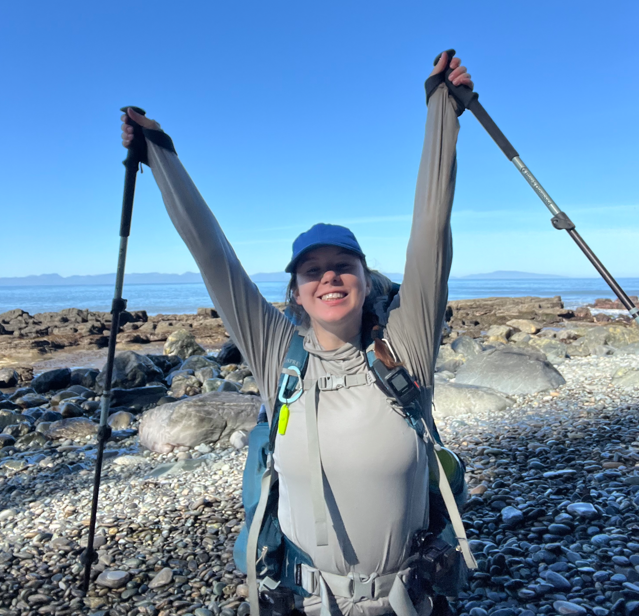
Claudia Wood (she/her)
Lab and Fieldwork Coordinator
Faculty of Forestry, University of British Columbia
I am the new Lab and Field Coordinator on Team Shrub. I have a Master of Science in Environmental Microbiology and a Bachelor of Science in Environmental Science from the University of Guelph. After moving to Vancouver from Ontario two years ago, I worked at Douglas College as a Lab Facilitator where I taught biology labs. In my free time, I have many hobbies including embroidery and photography. I also love to spend time outside hiking, camping, and looking for birds and whales.
Postdocs

Dr. Jeremy Borderieux (he/him), GitHub, ORCID, Google Scholar
Postdoc in Tundra Biodiversity Change
Department of Forest & Conservation Sciences, Faculty of Forestry, University of British Columbia
I am a community ecologist interested in how global change affects plant communities through time and space. I’m passionate about the many ways plants have adapted to climate and how it predicts currents and future response of plants to climate change. My research sits at the intersection between spatial, functional and numerical ecology and makes use of diverse long-term databases. During my Postdoc project, I am investigating tundra plant communities change with the use of the ITEX databases. I am focusing on how traits and climatic niches of species shed light on species abundance decline in the midst of the overall growth that Arctic plants are experiencing. I often reflect on epistemology and how open standards can benefit the scientific community. I happily share scientific findings to wider audiences when given the occasion.
Learn more about Jeremy’s work: Here
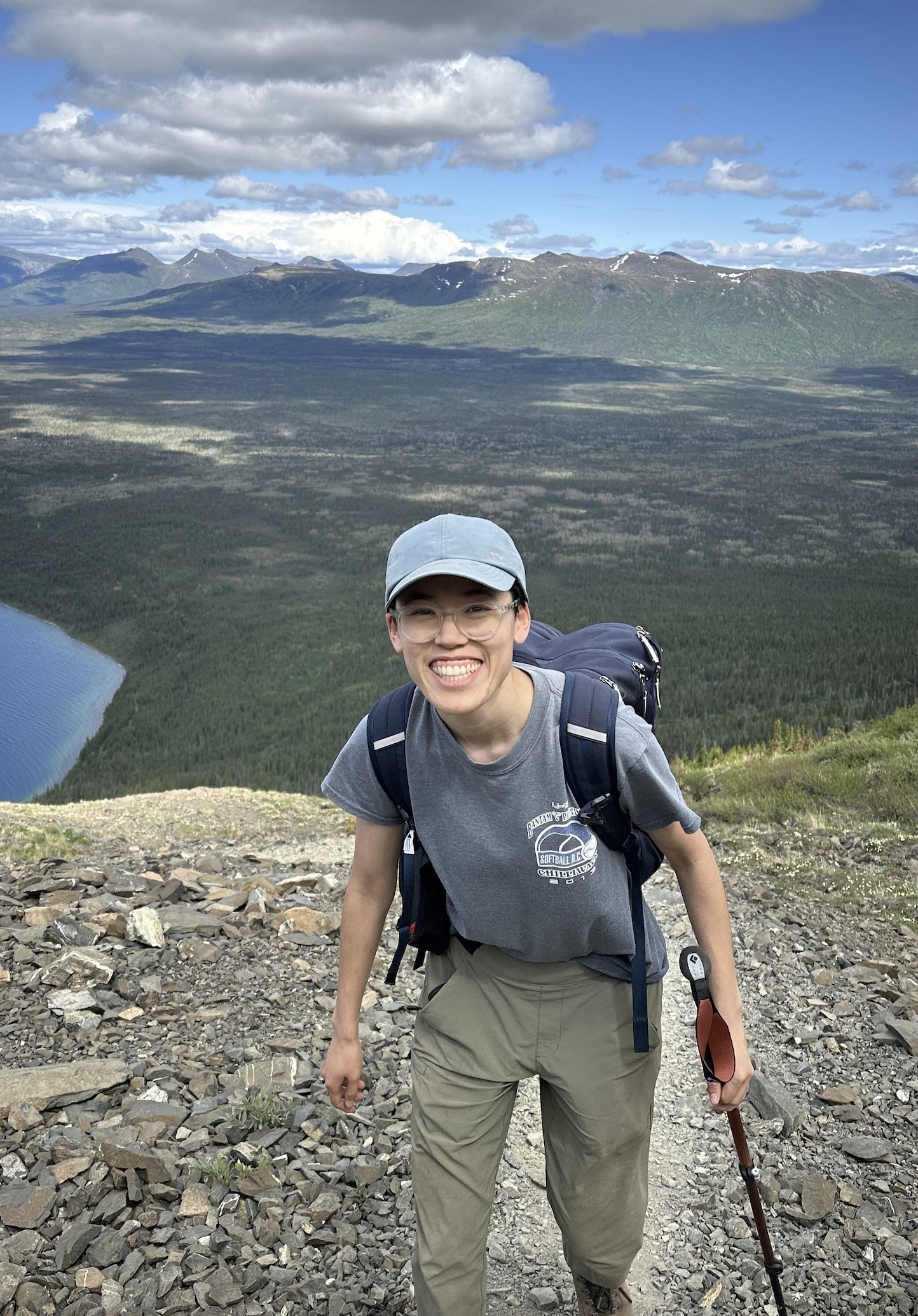
Dr. Hana Travers-Smith (she/they), GitHub, ORCID, Google Scholar
Postdoc in Tundra Biodiversity Change
Department of Forest & Conservation Sciences, Faculty of Forestry, University of British Columbia
I am thrilled to be joining Team Shrub as a post-doctoral researcher in 2026. My research uses drones, aerial photographs and satellite imagery to understand how climate change is impacting northern landscapes. I completed my PhD in 2025 at the University of British Columbia, where I used satellite imagery to track decades of forest cover change at the northern treeline across Canada. With Team Shrub, I will be studying vegetation change within barren-ground caribou habitat in the Yukon and NWT. I enjoy problem solving and teaching geospatial science and look forward to spending more time in the north. Outside of work I play many recreational sports including curling, softball, ultimate frisbee and soccer, but I also love spending time at home with my cat, Henry.
Learn more about Hana’s work: Here
PhD Students

Bailey Bingham (she/her)
PhD Student (2025 – 2029)
Faculty of Forestry, University of British Columbia
I’m a global change ecologist and science educator, originally from Ontario. For my PhD with Team Shrub, I am investigating how heatwaves, extended growing seasons, and permafrost thaw interact to influence tundra plant growth and phenology on Qikiqtaruk – Herschel Island in the Yukon Arctic using growth chamber experiments, time-lapse photography and long-term phenology data. I completed my MSc in Biology at the University of Guelph in 2021, where I focused on science education and built a love for sharing research beyond academia. This passion for science outreach brought me to Nunavut, as a lecturer and hiking guide, where I fell in love with the landscapes and communities of Arctic Canada. I enjoy working across disciplines and with different communities to better understand how ecosystems are changing. When I’m not in the office, you can usually find me on the trail—I’ve hiked over 5,000 km in the past 3 years, including a thru-hike of the Pacific Crest Trail in 2023!
Learn more about Bailey’s work: Here
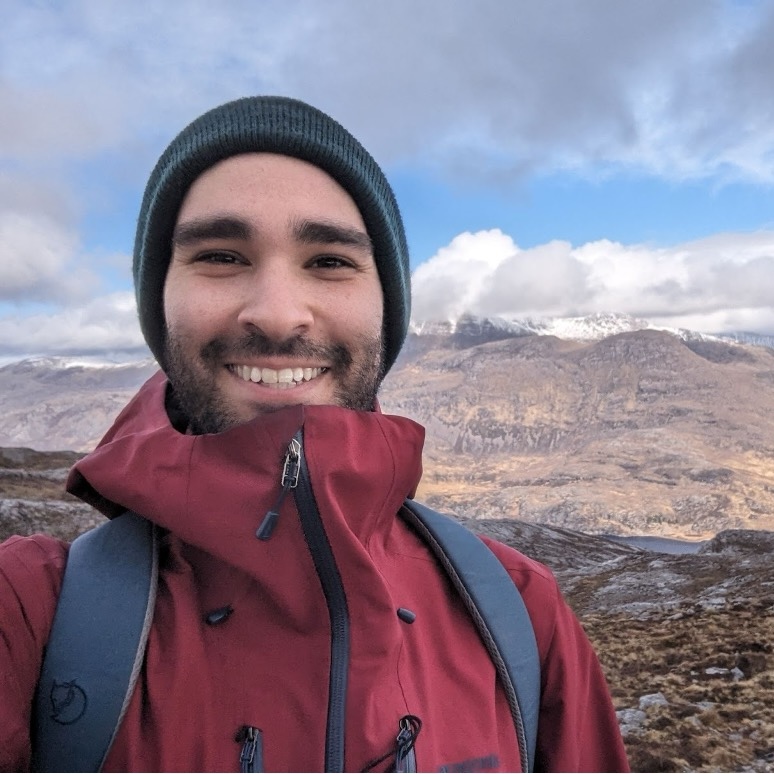
Jordan Seider (he/him)
PhD Student (2024 – 2028)
Faculty of Forestry, University of British Columbia
Originally from Toronto, my love of northern landscapes came with my brief time working as a research technician at the Churchill Northern Studies Centre. This experience inspired me to move to BC and pursue an MSc at the University of Victoria. My research there explored the spatial patterns of tundra vegetation productivity and the spatial distributions of tundra shrubs in northern Yukon and NWT. After graduating, I worked with the Canadian Wildlife Service concentrating on Southern Mountain Caribou recovery and conservation as a geospatial analyst. I am now thrilled to be part of Team Shrub as a PhD student, where I can further investigate the interactions between vegetation and wildlife dynamics, particularly caribou, in the rapidly changing northern climate and environment.
Learn more about Jordan’s work: Here

Myriam Cloutier (she/her)
PhD Student (2025 – 2028)
Faculty of Forestry, University of British Columbia
During my PhD as a member of Team Shrub, I will be looking at the spatial patterns present in tundra vegetation and how these change through space and time due to permafrost thawing and climate change.Before moving to Vancouver, I lived in Montreal, where I completed my MSc at the Université de Montréal in forest ecology. My project aimed to identify how autumn phenology might influence the performance of a neural network to identify tree species from drone imagery. This was my first proper introduction to remote sensing and GIS, and I haven’t looked back since! In 2024, I had the opportunity to work as a geospatial intelligence analyst at Environment and Climate Change Canada where I worked on various applications using mainly satellite imagery.
Learn more about Myriam’s work: Here
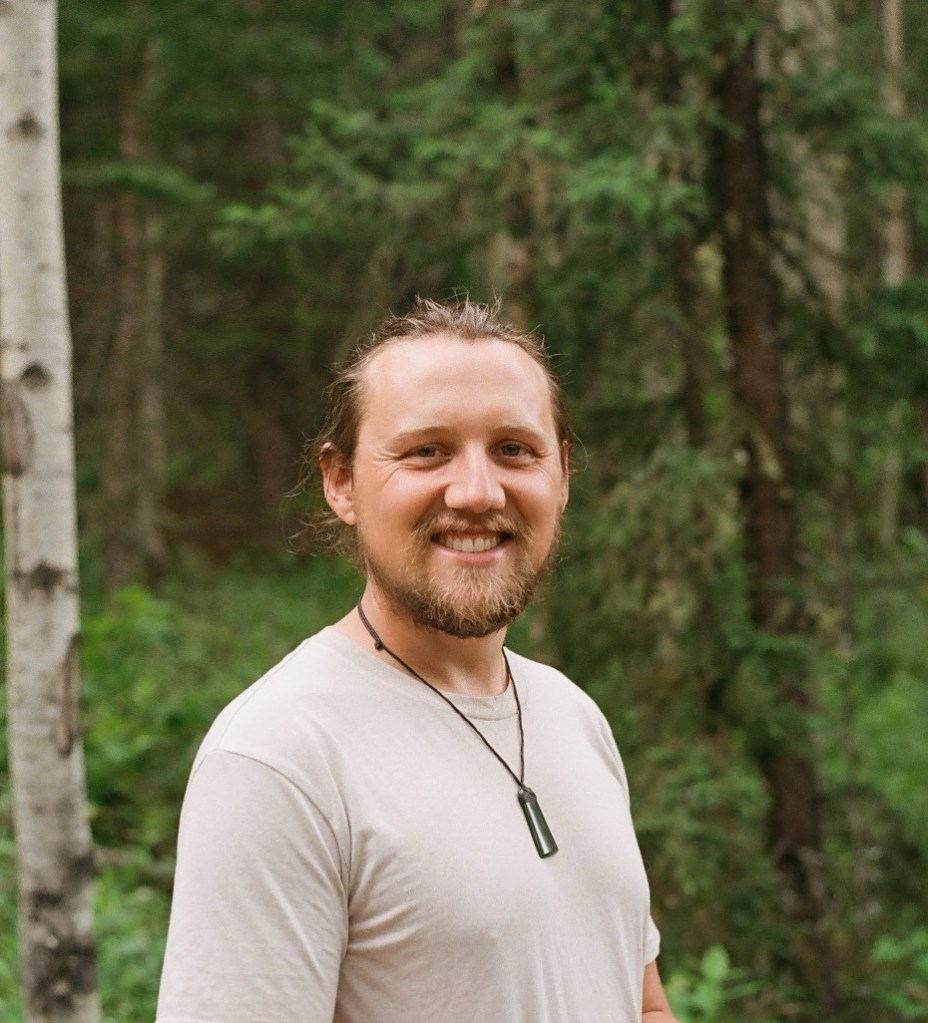
Simon Coats (he/him)
PhD Student (2025 – 2028)
Faculty of Forestry, University of British Columbia
As a PhD student on Team Shrub, I’m researching the impact of shrub encroachment on Dall sheep, and assessing the viability of prescribed burning as a management intervention. Originally from New Zealand, my career has been shaped by an interest in the dynamic relationship between wildlife and the landscapes they inhabit. This interest led me to complete a Masters in GIS in 2018, where I used population and habitat models to inform conservation strategies for a critically endangered freshwater fish. Since graduating, I have worked in conservation and consulting roles in both New Zealand and, since 2022, in my new home in Canada. I’m excited to apply this background to the unique conservation challenges facing the iconic Dall sheep.
Learn more about Simon’s work: Here
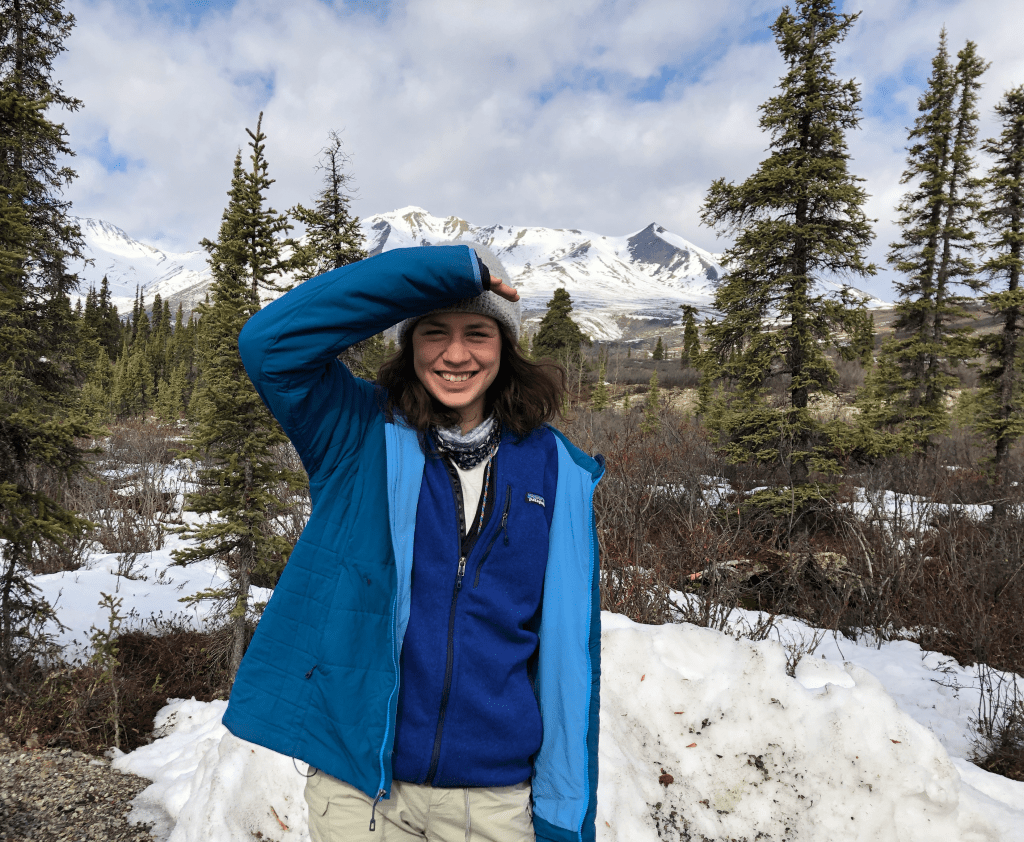
Madelaine Anderson (she/her)
Canadian Airborne Biodiversity Observatory PhD Student (co-supervised, 2020 – 2025)
Département de Biologie, Université de Sherbrooke
email: madelaine.anderson (at) usherbrooke.ca
Madelaine studies tundra plant spectral signatures and how they relate to tundra plant phenology, traits and biodiversity.
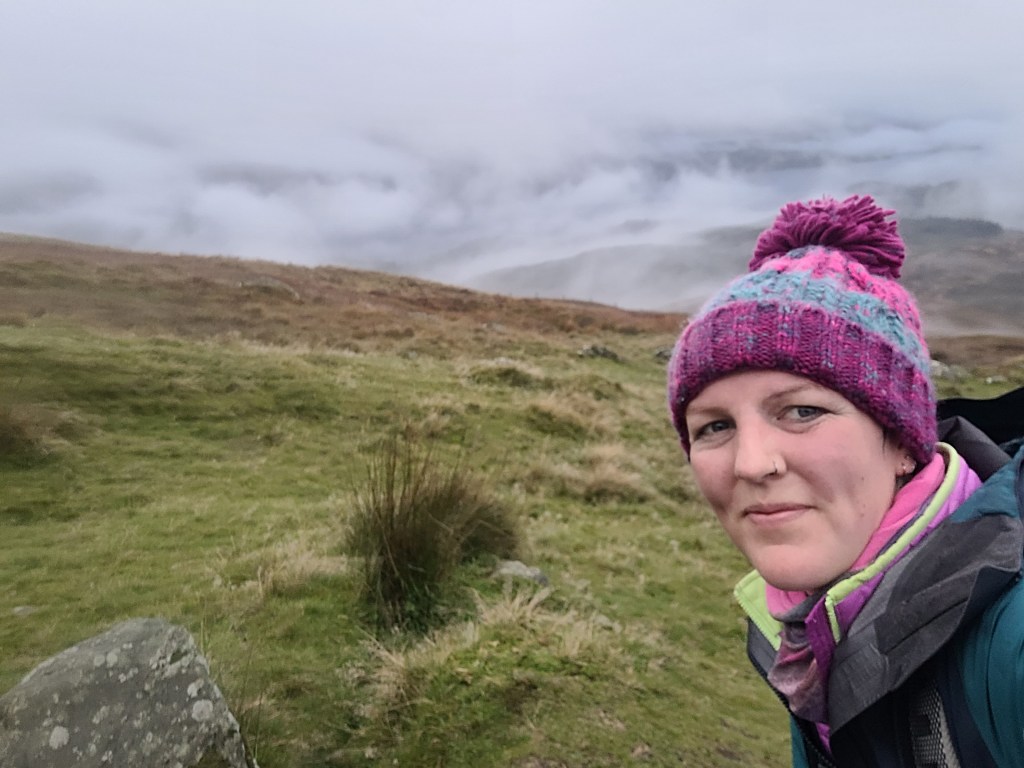
Lisa Pilkinton (she/her)
NERC E4 DTP PhD Student (co-supervised, 2023 – 2027)
School of GeoSciences, University of Edinburgh
Co-supervised by Clauida Colisie
Lisa studies plant-soil interactions in the Arctic Tundra, looking at different mycorrhizal communities associated with the plants expanding across the Arctic biome with warming.
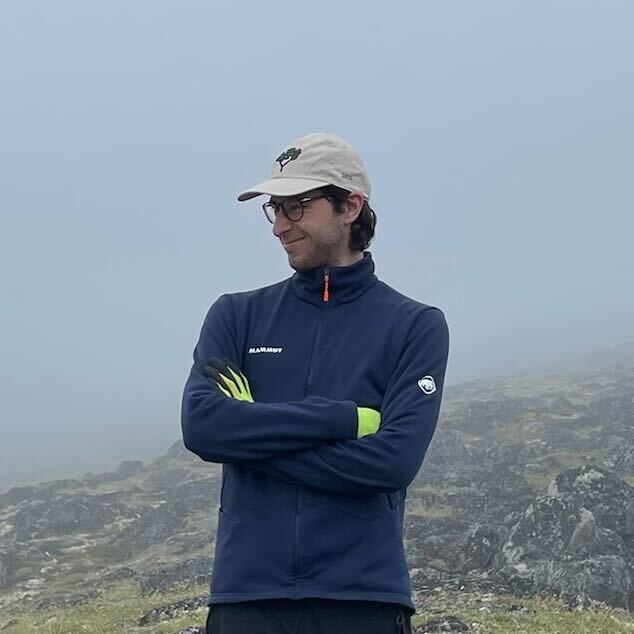
Grégoire Canchon (he/him)
SENSE Earth Observation CDT PhD Student (co-supervised, 2023 – 2027)
School of GeoSciences, University of Edinburgh
Co-supervised by Gabi Hergel
My PhD project currently focuses on improving our understanding of heatwaves and their impact of Arctic vegetation, wildfires and the carbon budget. My thesis involves working with remote sensing data and algorithms to explore the spatial and temporal aspects of heatwaves. In 2025, I had the opportunity to come to the Yukon for a fieldwork season, where I learnt about ecological methods as well as deepening my drone skills.

Geerte de Jong (she/her)
PhD Student (co-supervised, 2020 – 2026)
Department of Biological & Environmental Sciences
University of Gothenburg
Co-supervised by Anne Bjorkman
Geerte is studying tundra phenology and traits and how they vary across microclimates.
MSc Students
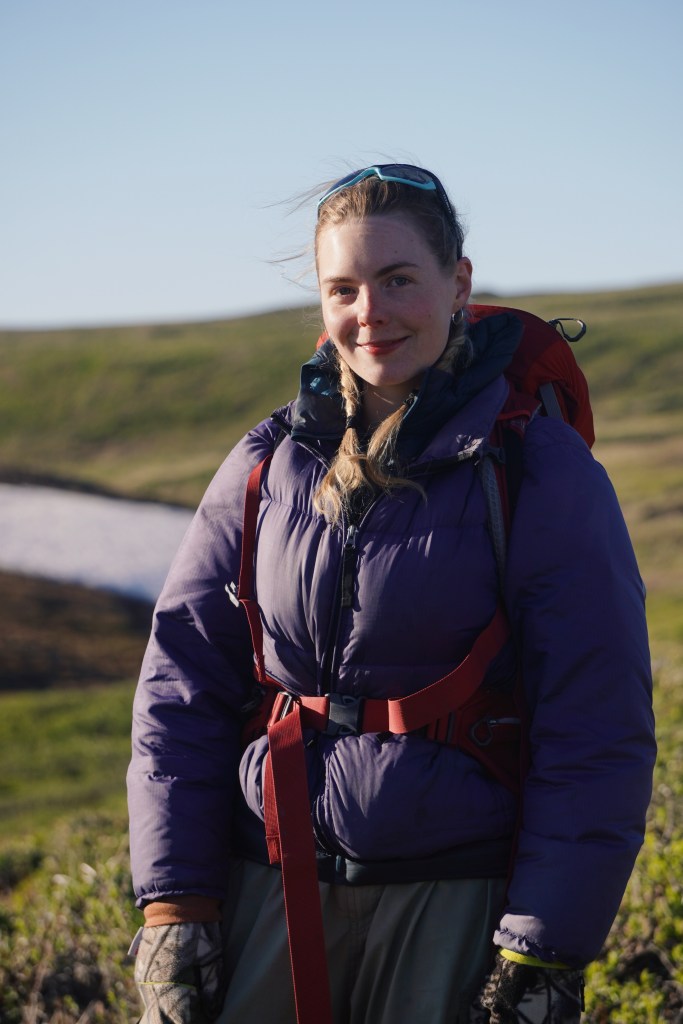
Ciara Norton (she/her)
MSc Student (2025 – 2027)
Faculty of Forestry, University of British Columbia
My research with team shrub is investigating permafrost thaw disturbance including retrogressive thaw slumps and active layer detachment landslides. I am studying how a 2023 heatwave led to over 700 landslides on Qikiqtaruk – Herschel Island and how those disturbances are continuing to thaw over time. I use repeat drone and time-lapse photography to capture the rates of permafrost thaw and the transformation of landslides into thaw slumps. I am also the Team Shrub band’s official keyboardist and former data manager.
Learn more about Ciara’s work: Here

Alex Beauchemin (he/him)
MSc Student (2025 – 2027)
Faculty of Forestry, University of British Columbia
I am studying the differential impacts of climate change on plant and insect communities. I am investigating the impacts of the changing Arctic growing season on bumble bee pollination on Qikiqtaruk. I am using passive monitoring methods including acoustic recordings of tundra soundscapes to detect bumblebee activity and time-lapse photography of plant phenology to quantify synchrony in plant-pollinator interactions.
Learn more about Alex’s work: Here
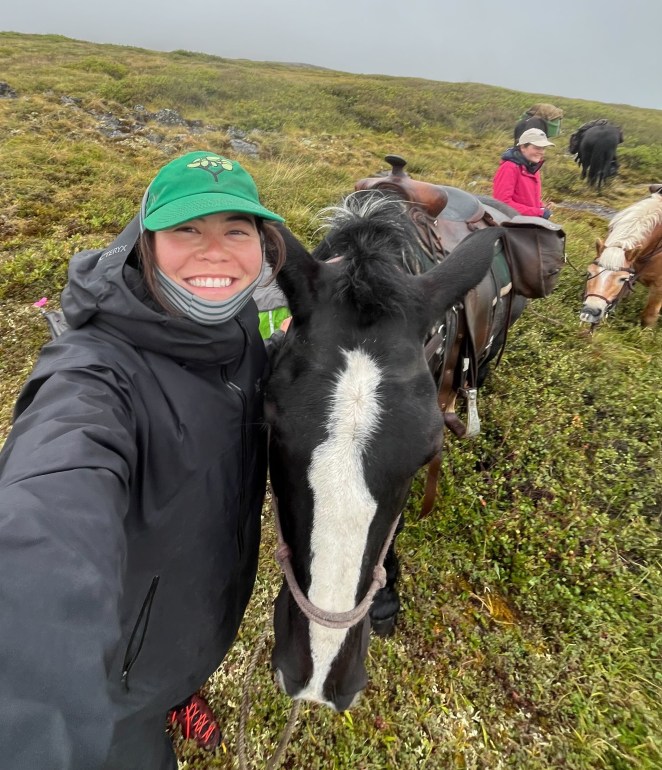
Angie Kellas (she/her)
MSc Student (2025 – 2027)
Faculty of Forestry, University of British Columbia
I am studying how pika habitats are changing with climate and vegetation change and what that means for pika occupancy and abundance across alpine regions of the Yukon. After my first field season, I can now finally call myself a cowgirl scientist.
Learn more about Angie’s work: Here
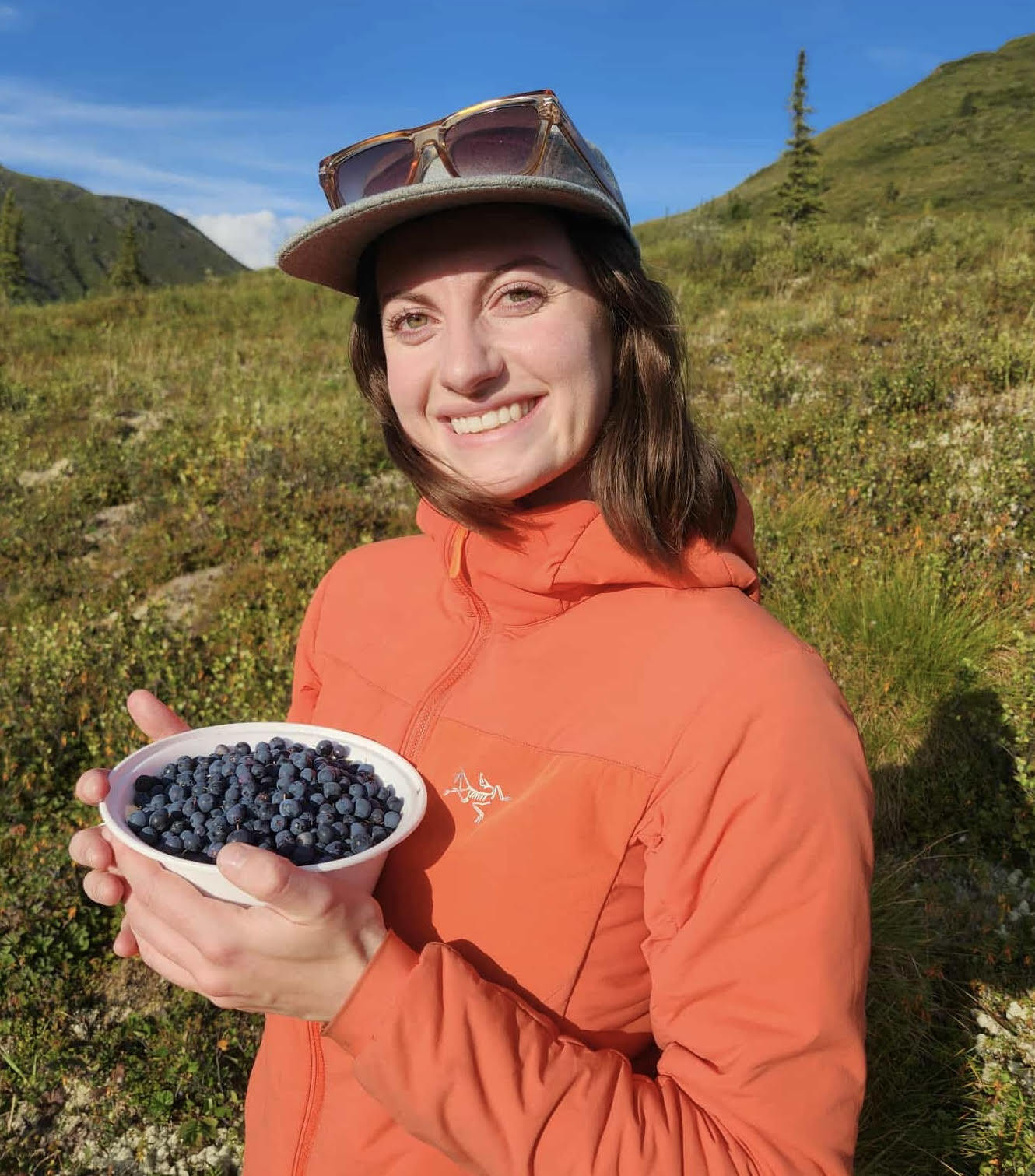
Ingrid Janzen (she/her)
MSc Student (2025 – 2027)
Faculty of Forestry, University of British Columbia
Research with Team Shrub will investigate how vegetation change in the Yukon is influencing ptarmigan distribution and habitat availability. This project will use citizen science collected data to enhance pre-existing research and inform protected area policy in the Yukon..
Learn more about Ingrid’s work: Here
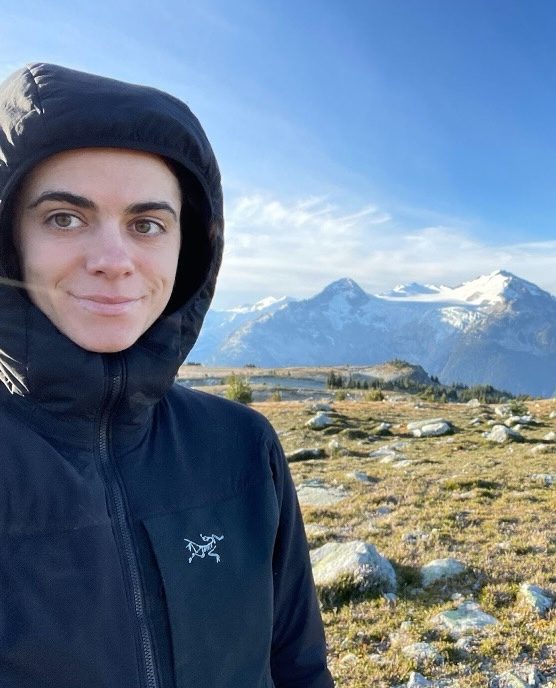
Claire Ethier (she/her)
MSc Student (2025 – 2027)
Faculty of Forestry, University of British Columbia
I am a MSc student in the Faculty of Forestry interested in how climate change and anthropogenic disturbance is influencing the ecological structure and function of wildlife and the implications of this for local communities.
Learn more about the research: Here
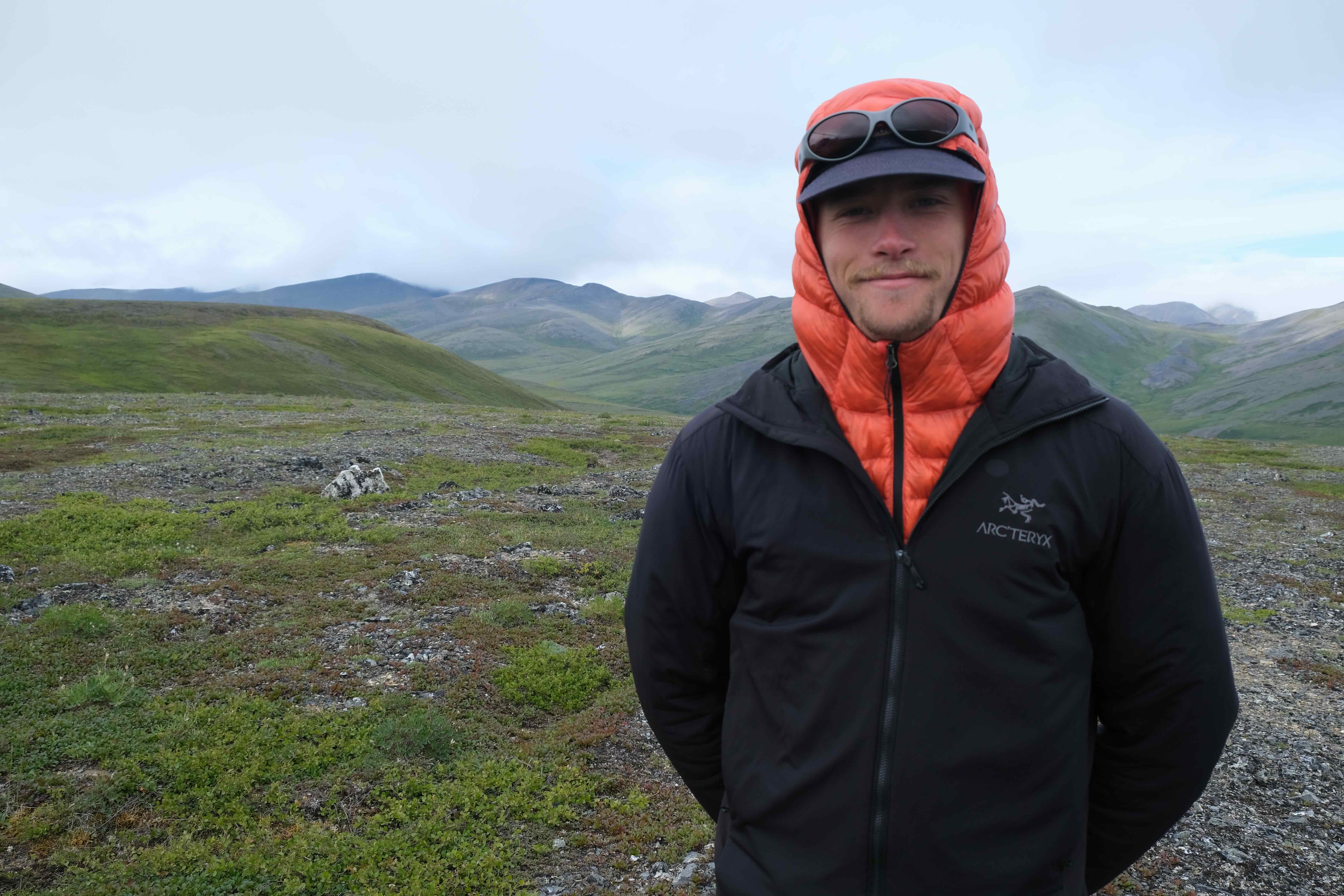
Micah Eckert (he/him)
MSc Student (2024 – 2026)
Faculty of Forestry, University of British Columbia
I am a MSc student studying the impacts of ocean inundation on Qikiqtaruk, hydrology changes and shrubification. I have a passion for ecosystem science, hydrology, and remote sensing. I love to use satellite and drone data to understand changing environments to inform policy and conservation efforts. Outside of my education, I am an avid backpacker, rock climber and photographer.
Learn more about Micah’s work: Here
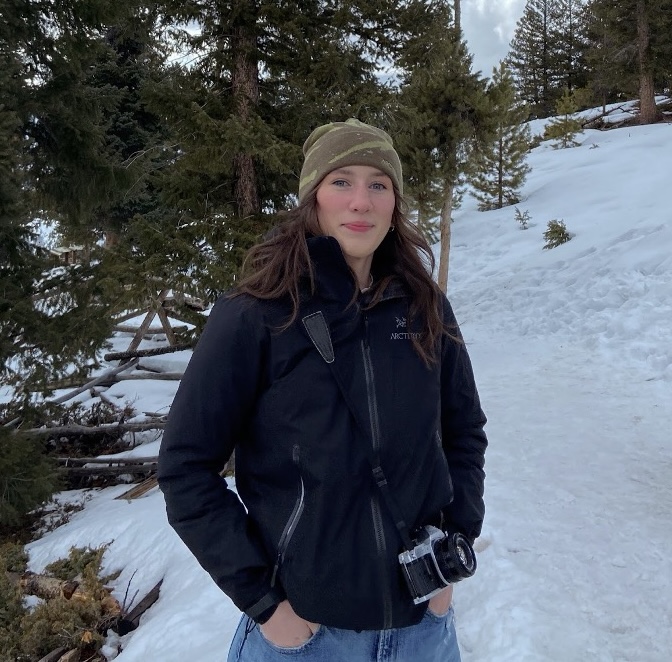
Sarah Naughtin (she/her)
MSc Student (2024 – 2026)
Faculty of Forestry, University of British Columbia
I am a MSc student exploring the range shifts and drivers of boreal forest vegetation change, sometimes known as borealization.
Learn more about Sarah’s work: Here

Rory McNeil (he/him)
MSc Student (2024 – 2026)
Faculty of Forestry, University of British Columbia
I am originally from Cape Breton, located on the eastern coast of Canada in Nova Scotia. With a BAS Environment from Cape Breton University and a professional background in ecological monitoring and habitat restoration, my interests span many different ecosystems and taxa. As part of Team Shrub, I will be investigating how global change has impacted the behaviors of pollinator species in the Canadian Arctic and how these changes may interface with shifts in Arctic plant phenology.
Learn more about Rory’s work: Here
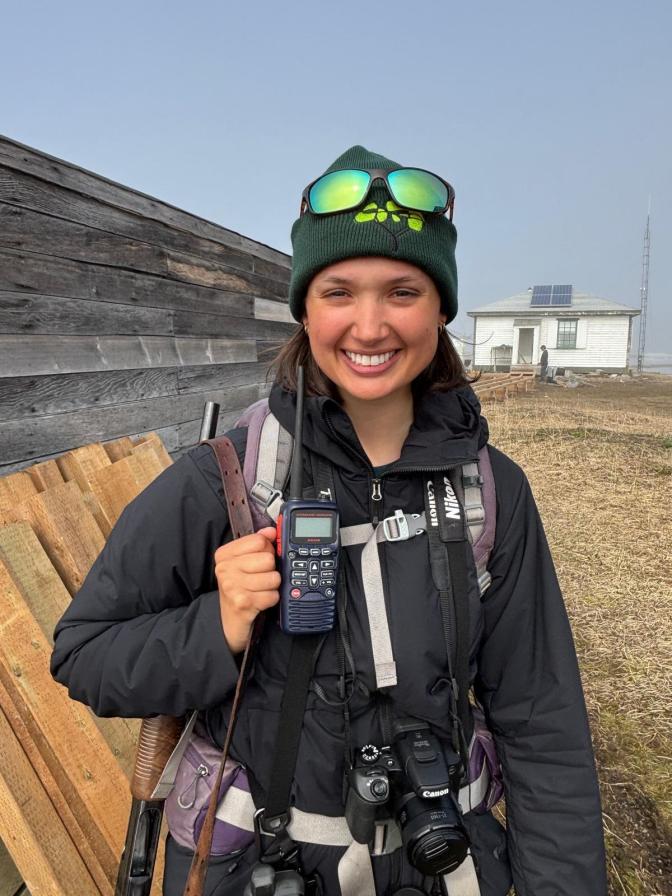
Maya Wade (she/her)
MSc Student (2024 – 2026)
Faculty of Forestry, University of British Columbia
I am using long-term survey data, passive acoustic monitoring, and remote sensing to investigate how shrub expansion affects the population dynamics, habitat use, and community composition of tundra-dependent birds in the Western Canadian Arctic. Prior to starting my MSc, I completed a Postgraduate Certificate in Biodiversity, Wildlife, and Ecosystem Health at the University of Edinburgh and a BSc (Biology at Mount Allison University
Learn more about Maya’s work: Here
Undergrad Students

Juliana Dioquino (she/her)
Undergraduate Thesis Student/Research Assistant
Department of Zoology, University of British Columbia
This summer I will be investigating how Arctic plant root growth responds to warming by simulating heat waves and extended growing seasons in controlled growth chambers on tundra monoliths. Additionally, I will be assisting in various fieldwork projects in the Yukon, particularly focused on studying vegetation change and pollinator activity at different field sites.
Learn more about Juliana’s work: Here
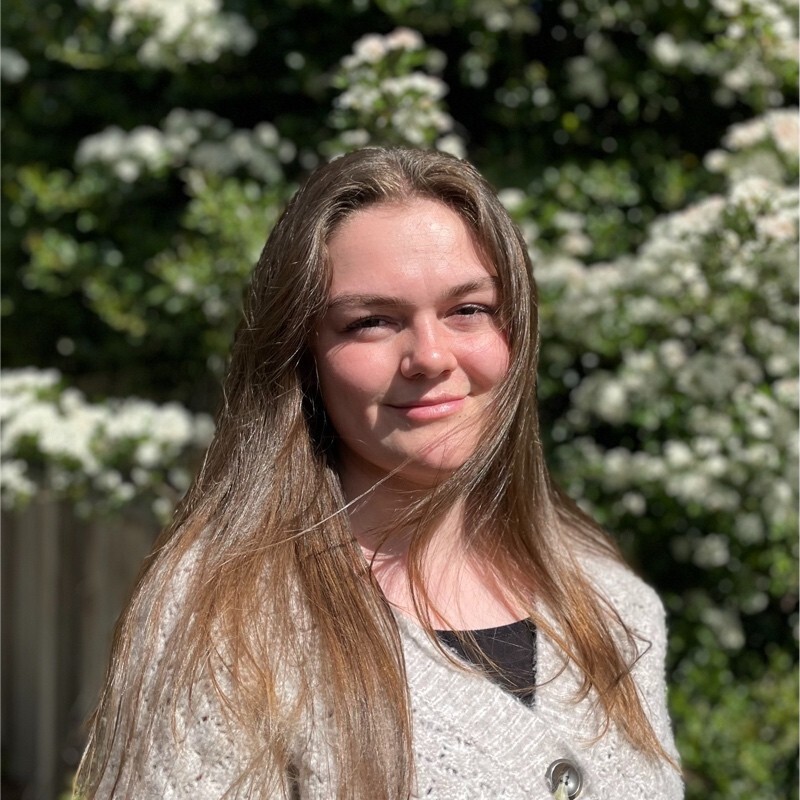
Samantha Solis de Ovando (she/her)
Undergraduate Thesis Student/Research Assistant
Department of Geography, University of British Columbia
I am interested in how different warming scenarios will affect Arctic plant communities. I am currently studying how simulated heatwaves and extended growing periods impact real Arctic plants in controlled growth chambers, particularly plant phenology and environmental dynamics. I am also assisting with varied fieldwork in the Yukon focused on vegetation and wildlife, specifically focusing on pika communities.
Learn more about Sam’s work: Here
Former Postdocs
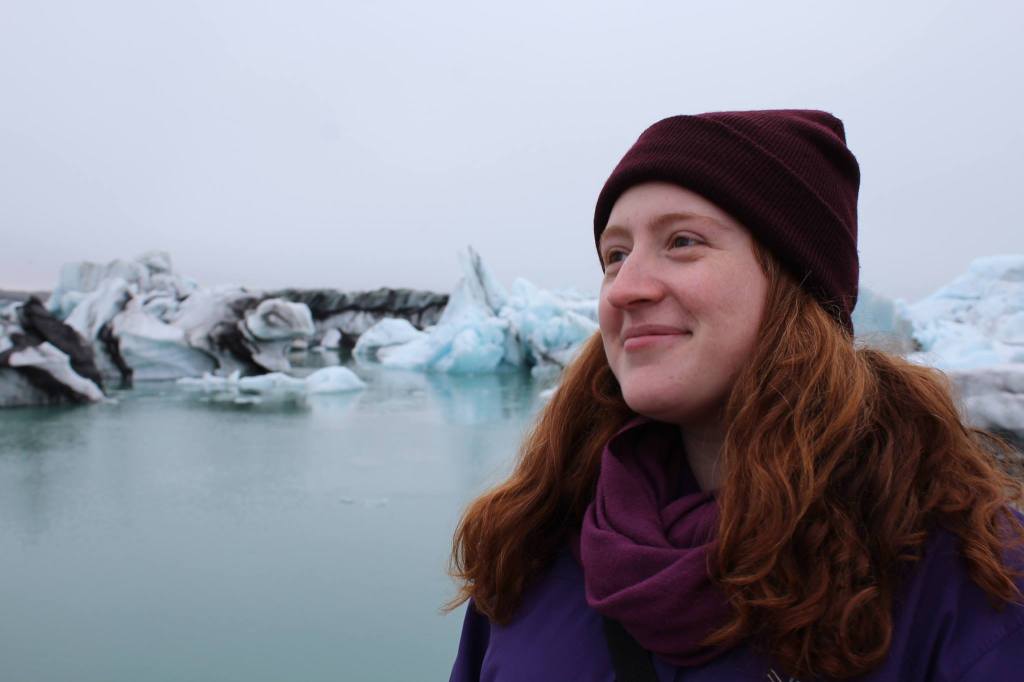
Dr. Mariana García Criado (she/her), GitHub, ORCID, Google Scholar
CHARTER Project
Postdoc in Tundra Biodiversity Change
School of GeoSciences, University of Edinburgh
email: mariana.garcia.criado (at) ed.ac.uk
Mariana investigates the responses of plant species to climate change in the tundra biome. She researches large-scale plant biodiversity patterns and trends, with a particular focus on distribution shifts, functional traits, and processes of Arctic change over time for both vascular and non-vascular plants.
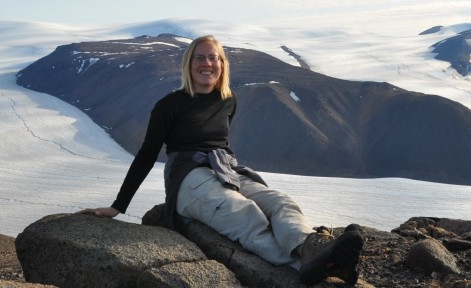
Dr. Anne Bjorkman
University of Gothenburg
Tundra Trait Team
Anne worked with the sTUNDRA Working Group to explore climate as a driver of tundra vegetation change. In particular, Anne explores biogeographic patterns in plant traits and community-weighted trait change over time in tundra plant communities. Anne is now a senior lecturer/associate professor at the University of Gothenburg.
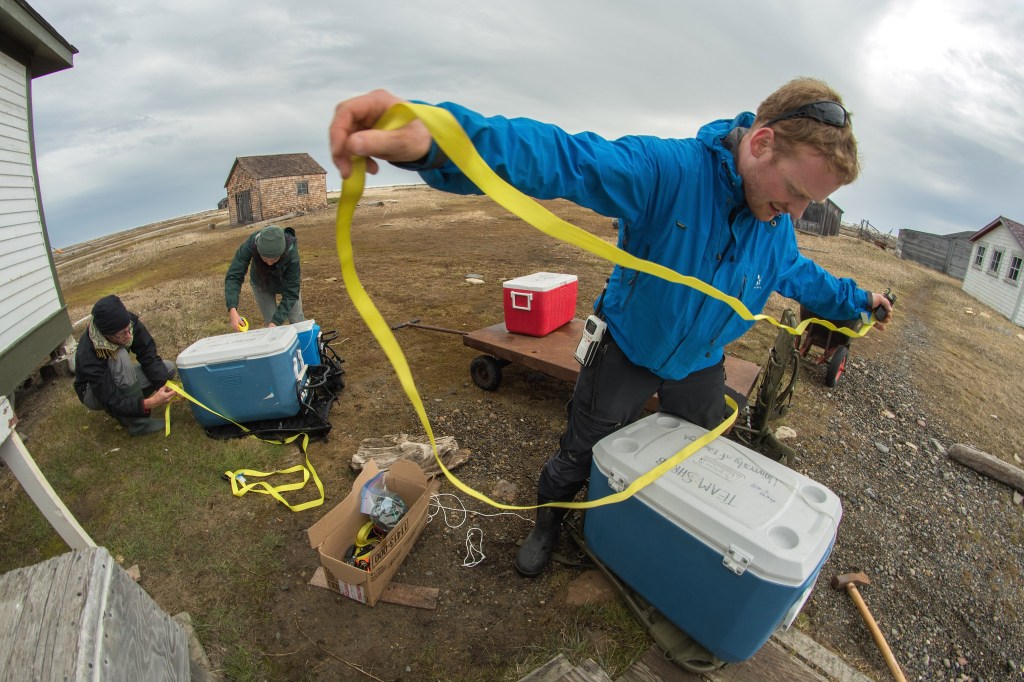
Dr. Andrew Cunliffe
University of Exeter
Global Drone Allometry
Andy used drone-acquired data to bridge the scale gaps between ground- and space-based observations, to advance understanding of remotely sensed records of tundra vegetation change. Andy is now a Oppenheimer Senior Research Fellow and African Landscape Systems Programme Leader at the University of Exeter.
Former PhD Students
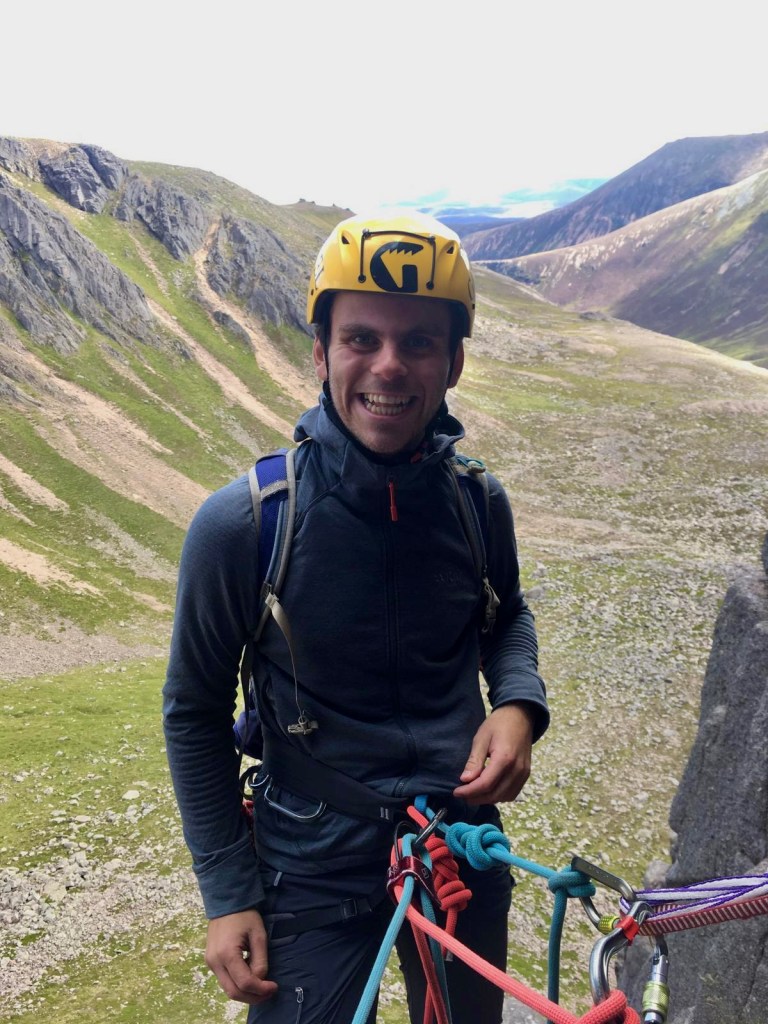
Calum Hoad (he/him)
SENSE NERC CDT PhD Student
School of GeoSciences, University of Edinburgh
email: calum.hoad (at) ed.ac.uk
Calum studies Arctic greening and the influence of snow melt dynamics and permafrost thaw disturbances on greening trends across scales.
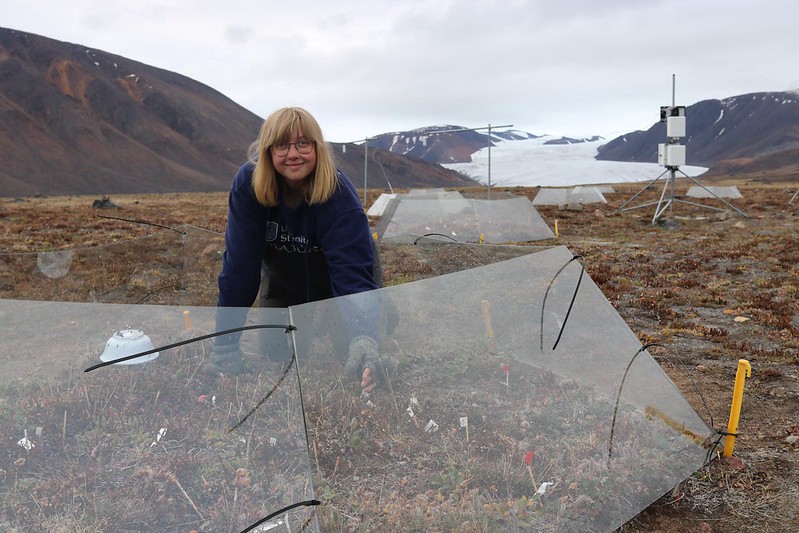
Dr. Elise Gallois
NERC E4 DTP PhD Graduate (April 2024)
School of GeoSciences, University of Edinburgh
email: elise.gallois (at) ed.ac.uk
For her PhD, Elise studied tundra ecosystem change across microclimates and spatial scales. She is exploring plant growth, phenology and above and below-ground productivity and phenology across tundra landscapes. Elise is a part of the Coding Club Team.
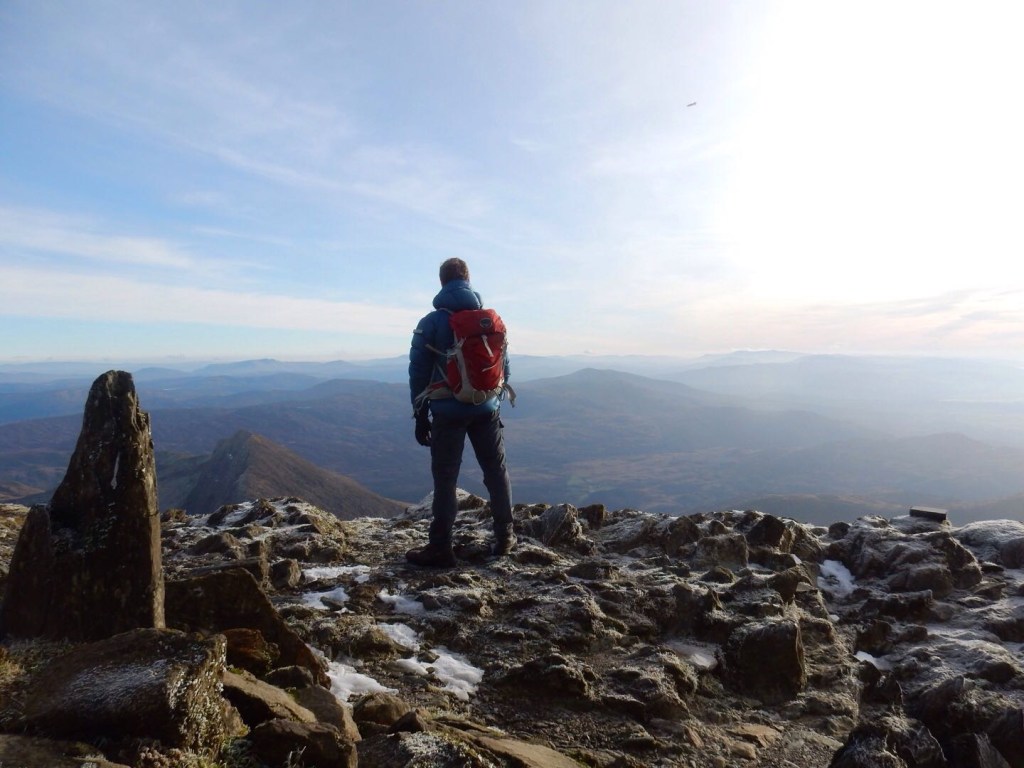
Joseph Everest (he/him)
NERC E4 DTP PhD Student
School of GeoSciences, University of Edinburgh
email: joseph.everest (at) ed.ac.uk
Joe is exploring tundra functional diversity change across the tundra biome and the drivers of biodiversity change including thermophilisation. Joe is a part of the Coding Club Team.
Dr. Mariana García Criado
Principal’s Career Development Scholarship (2017 – 2022)
Mariana investigated the responses of plant species to climate change in the tundra and beyond for her PhD. She studied shrub distribution shifts, identifying which traits make species most susceptible to shrubification and what impacts vegetation change is having on tundra biodiversity.
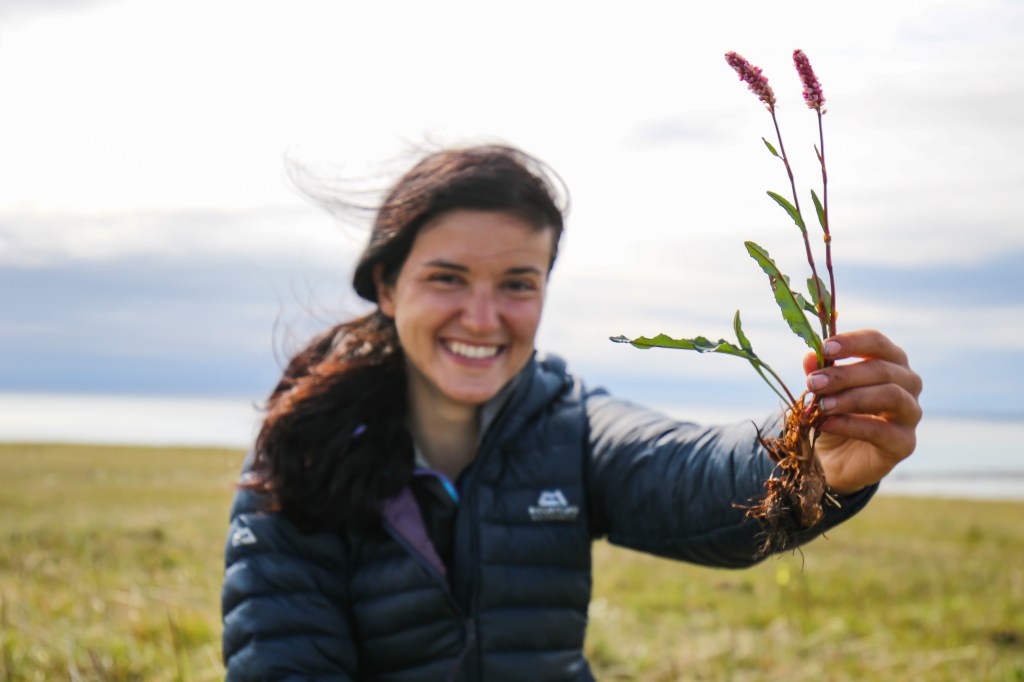
Dr. Gergana Daskalova
Carnegie and NERC E3 DTP PhD Student (2017 – 2021)
Co-Supervisors: Maria Dornelas and Anne Bjorkman
email: gndaskalova (at) gmail.com
Gergana studies land use change as a driver of biodiversity change on local and global scales. She coordinates Coding Club – a peer-to-peer initiative developing skills in statistics and programming. Gergana is now a Schmidt Science Fellow at the International Institute for Applied Systems Analysis.
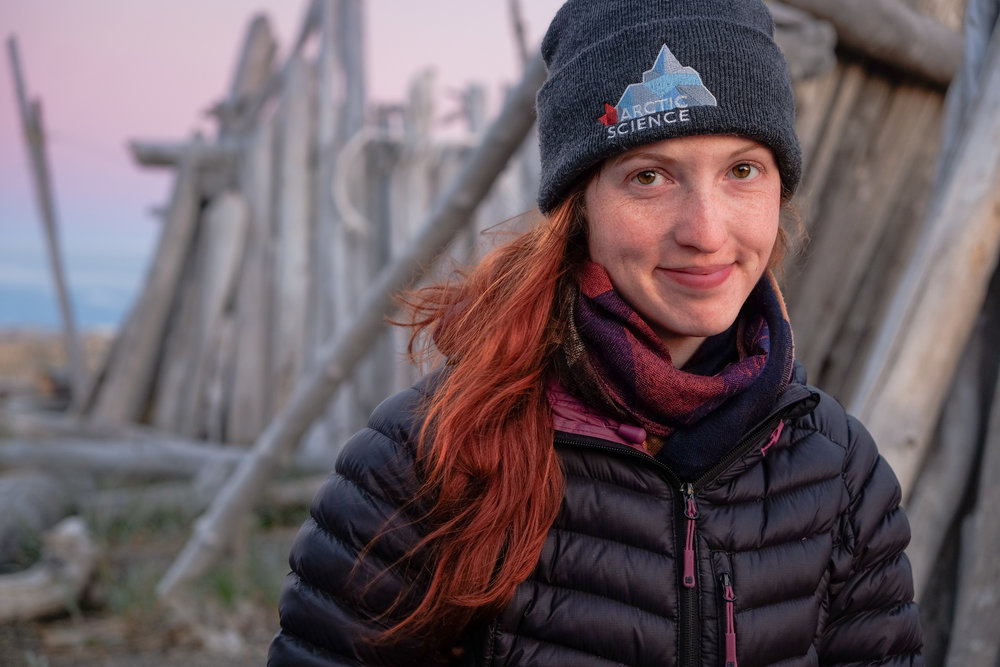
Dr. Sandra Angers-Blondin
NSERC/CSRNG PhD student (2014 – 2018)
Sandra explored the influence of competition on the growth of shrubs at tundra sites across Canada. She is using a canopy removal experiment and mapping shrub plots to look at the influence of neighbours on the climate sensitivity of individuals, using growth-ring analyses. She also conducts germination experiments to investigate potential biotic constraints to shrubline advance. Sandra was also part of the Coding Club Team. Sandra is now a Data Scientist at Liverpool John Moores University.
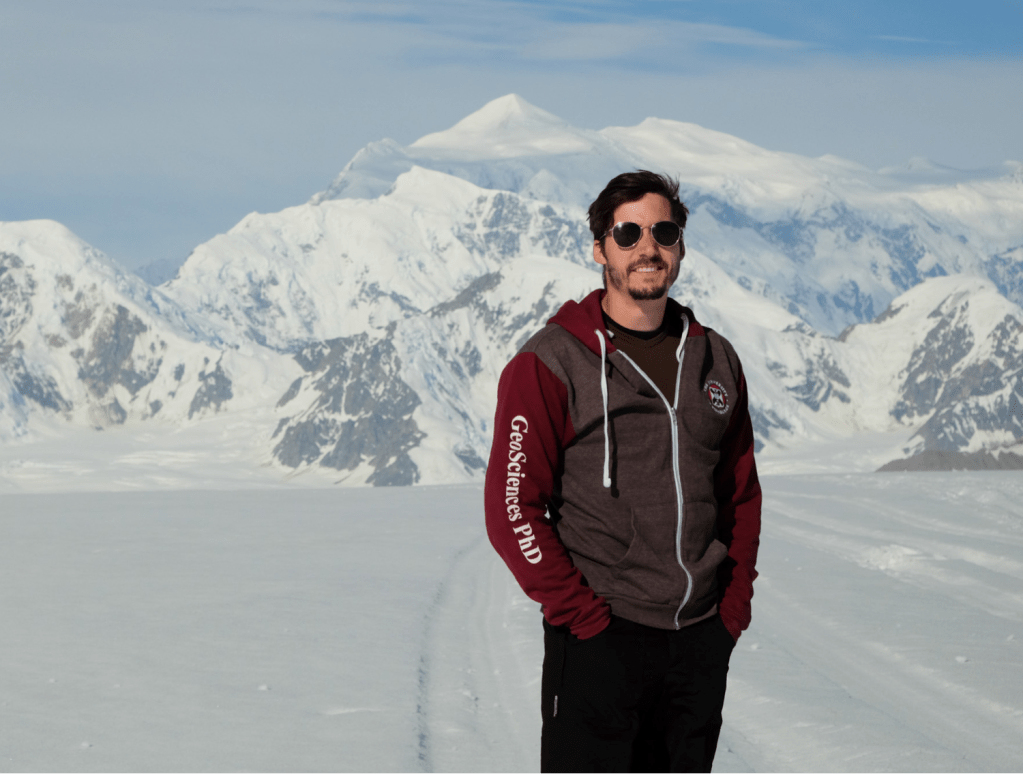
Dr. Haydn Thomas
NERC E3 DTP PhD Student (2014 – 2018)
Haydn studied the drivers and rates of tundra vegetation change, and the impacts this will have on decomposition rates and carbon cycling. He is combining long-term vegetation monitoring, plant trait data, a litter experiment and a common garden experiment. Haydn is now a Programme Manager at the Environment and Forestry Directorate of the Scottish Government.
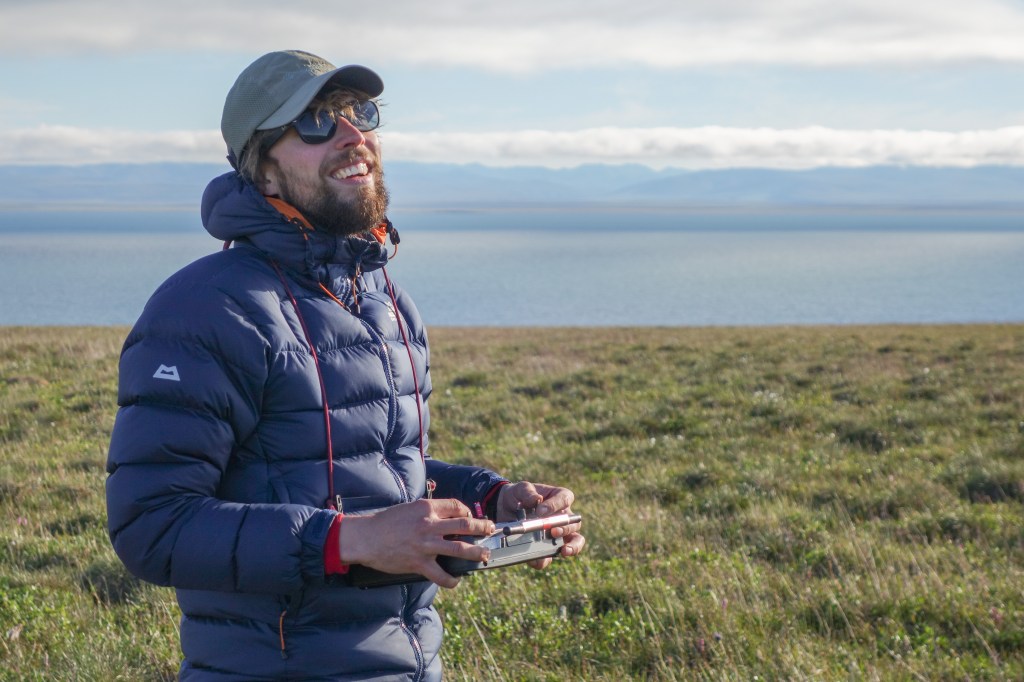
Dr. Jakob Assmann
NERC E3 DTP PhD Student (2014 – 2018)
School of Biological Science, University of Edinburgh
Co-Supervison with Ally Phillimore and Richard Ennos
Jakob studied the controls of plant phenology change and tundra greening across spatial scales and the potential importance of local adaptation on plant phenology across latitudinal gradients. Jakob is now a postdoctoral researcher at Aarhus University in Denmark.
Former MSc Students

Erica Zaja
MSc by Research Student, funded by the Canadian Mountain Network
School of GeoSciences, University of Edinburgh
Email: Erica.Zaja (at) ed.ac.uk
Erica studied how climate warming is driving vegetation change and shifting plant phenology, reshaping wildlife habitats. She is forming predictions on rates and magnitudes of shrubification in the Porcupine caribou summer range, incorporating growth rates from a common garden willow experiment. Erica was field assistant in 2022.
Erica was part of the Coding Club Team.
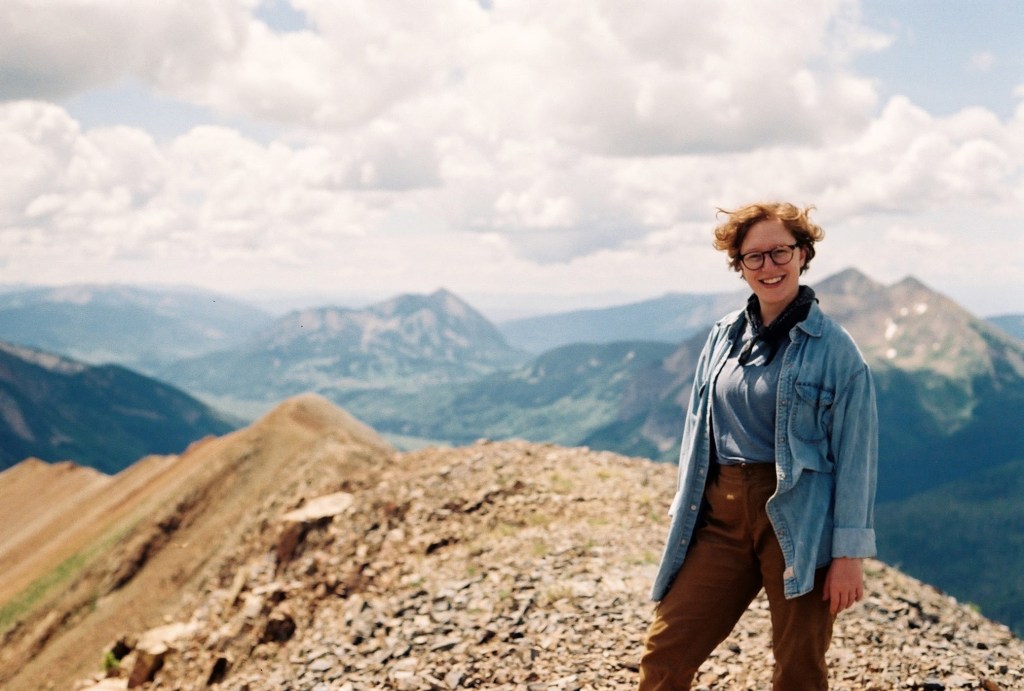
Diana Jerome
MPhil Graduate, University of Edinburgh and University of Helsinki Partnership Programme on Forests
School of GeoSciences, University of Edinburgh
Department of Forest Sciences, University of Helsinki
email: Diana.Jerome (at) ed.ac.uk
Diana studied shrub growth, phenology and ecophysiology across the ecotone from the boreal forest to the tundra.
Lisa Pilkinton
MRes Ecology and Environmental Biology Student
School of Medical, Veterinary and Life Science, University of Glasgow
Co-supervised by Isla Myers-Smith (University of Edinburgh) and Lucy Gilbert (University of Glasgow)
email: 2704804P (at) student.gla.ac.uk
Lisa studies plant-soil interactions in the Arctic Tundra, looking at different mycorrhizal communities associated with the plants expanding across the Arctic biome and the implications for the Carbon and Nitrogen cycle
Lia Lechler
MSc Earth Observation and Remote Sensing Student
School of Geosciences, University of Edinburgh
Co-supervised by Mathilde Le Moullec, NTNU Trondheim
email: L.lechler (at) sms.ed.ac.uk
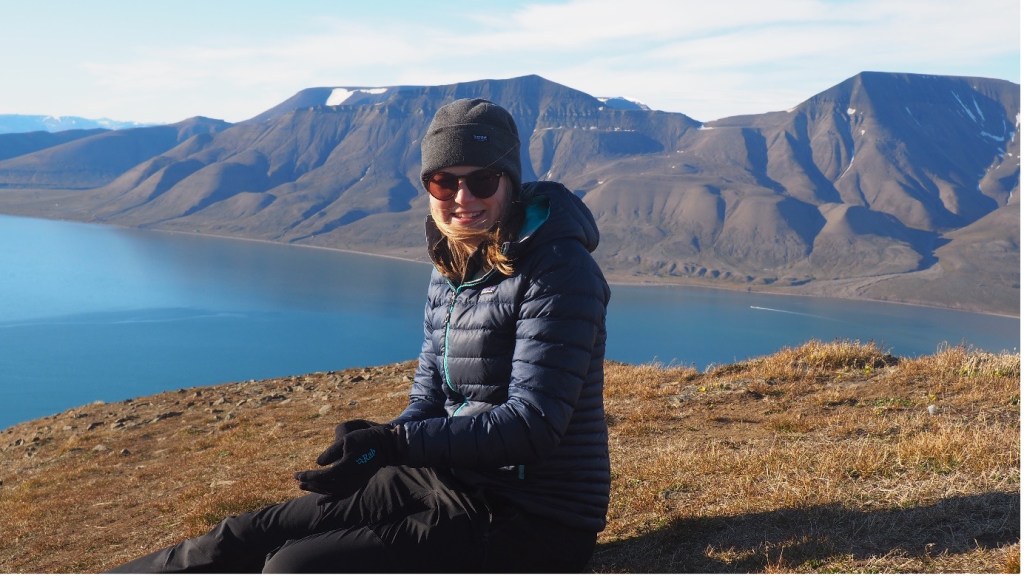
Lia studies how Sentinel imagery can be used to analyse changes in plant productivity in the Arctic tundra of Svalbard. She is investigating whether concurrent NDVI trends can be found at satellite level and at plot level, and what effect basal icing has on these trends.
Naphon Olley
MSc Statistics Student
School of Mathematics and Statistics, University of Glasgow
Email: 2304463o (at) student.gla.ac.uk
Co-supervised by Isla Myers-Smith (University of Edinburgh) and Andy Seaton (University of Glasgow)
Naphon is studying the growth of shrubs in the Arctic using point process models, a spatial statistical method. He is focusing on the effects of how shrub-shrub interactions affect their characteristics (e.g., how they grow).
Meagan Grabowski
MSc University of British Columbia (2013-2015)
Current: Instructor and Researcher
Yukon University
Whitehorse, Yukon, Canada
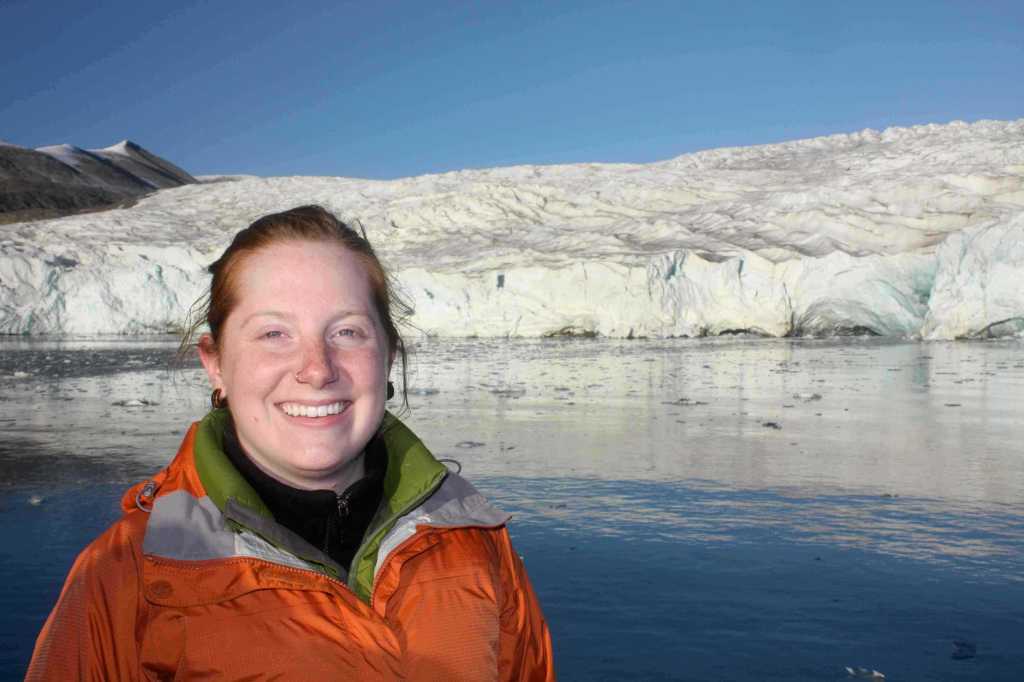
Meagan used dendroecology of boreal shrub species to test the relative importance of three factors in controlling shrub growth: 1) fertilization, 2) hare herbivory, and 3) growing season temperatures.
Benjamin Marquis
MSc Student (committee member)
Département de biologie
Université de Sherbrooke
Benjamin studied the climate sensitivity of tree growth at treeline in Southern Quebec. He is now a forest biologist at the Canadian Forest Service, Natural Resources Canada.
Former Undergrad Students
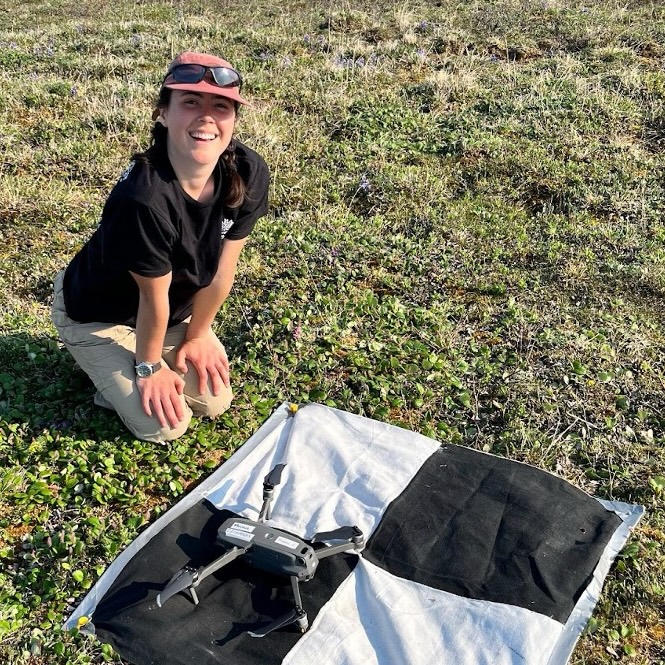
Charlotte Mittelstaedt (she/her)
Undergraduate Thesis Student
Faculty of Forestry, University of British Columbia
I am interested in understanding how climate change is reshaping wildlife habitat in tundra ecosystems. This summer, I am studying the response of collared pikas to shrubification in the Southern and Central Yukon. My research involves estimating pika abundance at the population level using autonomous recording units (ARUs) as well as modelling the current and predicted future distribution of the species.
Alex Beauchemin (he/him)
Undergraduate Thesis Student
Department of Zoology, University of British Columbia
I am studying the differential impacts of climate change on plant and insect communities. This summer, I will be studying the range expansion of dragonflies and damselflies in the Northern Yukon. Additionally, I will be carrying out an honours project investigating the impacts of a changing Arctic growing season on bumble bee pollination on Qikiqtaruk.
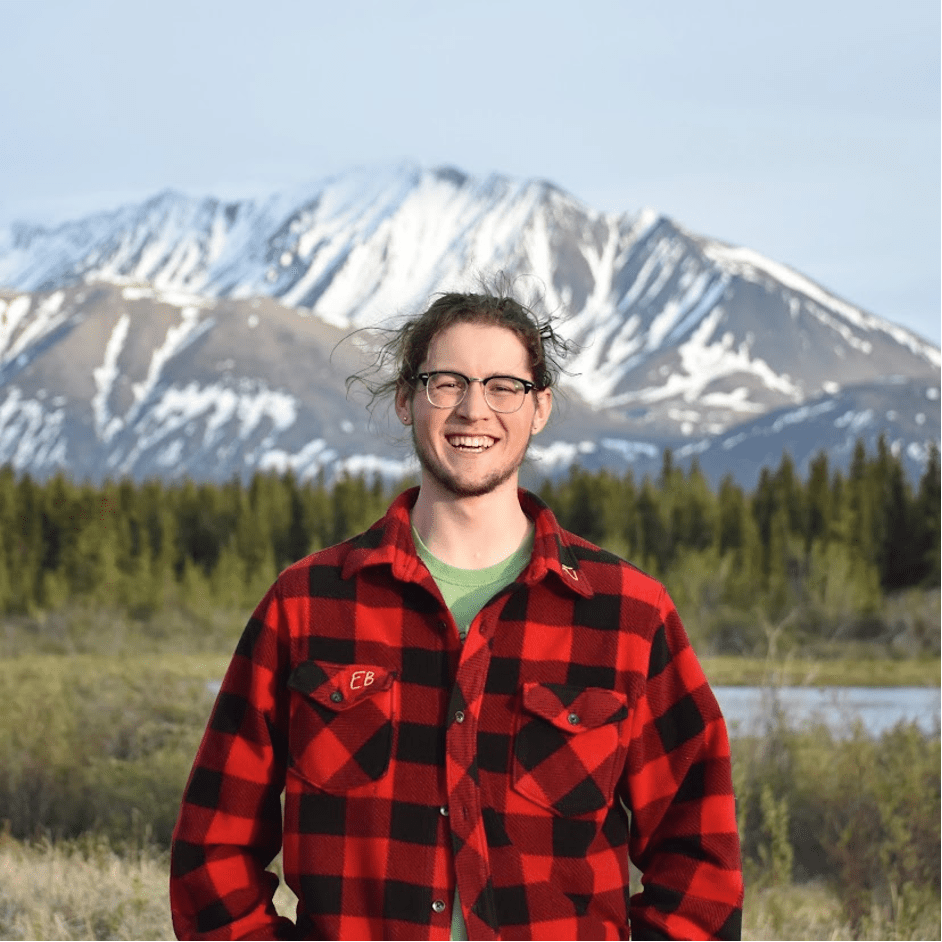
Elias Bowman (he/him)
Undergraduate Thesis Student
Department of Zoology, University of British Columbia
I am studying how climate change impacts Arctic food webs. I will investigate the strength of different environmental variables on plant phenology and consequently, the abundance and nesting dates of birds on Qikiqtaruk – Herschel Island.
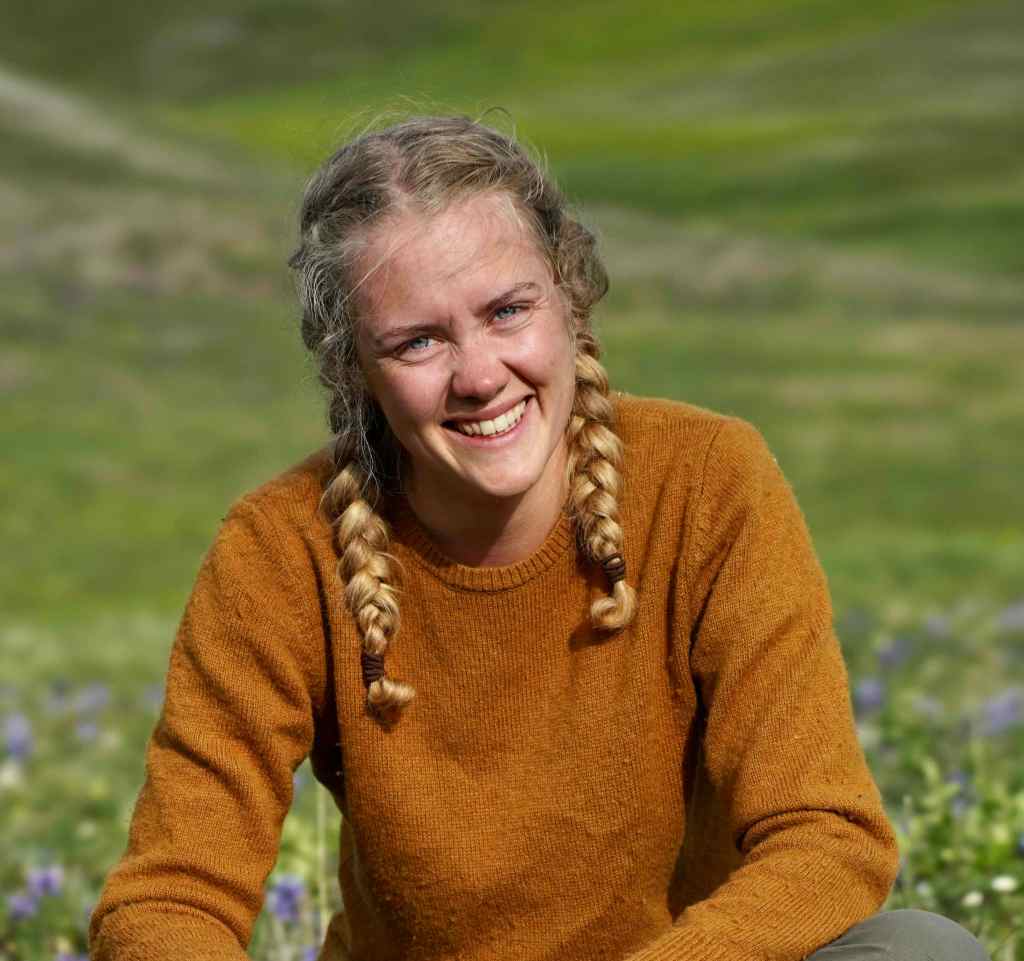
Else Radeloff
Undergraduate Dissertation Student
School of Geosciences, University of Edinburgh
Else studied the influence of snow depth on leaf nitrogen concentrations in tundra plants combining experiments, trait observations and hyperspectral measurements.
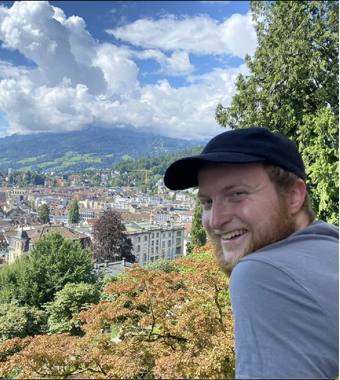
Jiri Subrt
Undergraduate Dissertation Student
School of Geosciences, University of Edinburgh
Jiri is studied how different climate variables affect vegetation changes on Qikiqtaruk-Herschel Island and High Arctic tundra locations. He was also part of the Coding Club team.
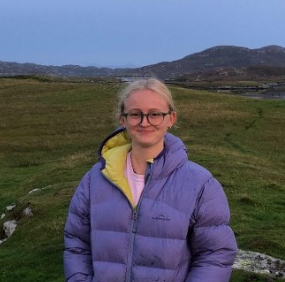
Ella Oakley Slater
Undergrad Dissertation Student
School of GeoSciences, University of Edinburgh
Using remote sensing imagery, Ella studied post fire vegetation recovery and dynamics across different latitudes in Northeast Siberia.
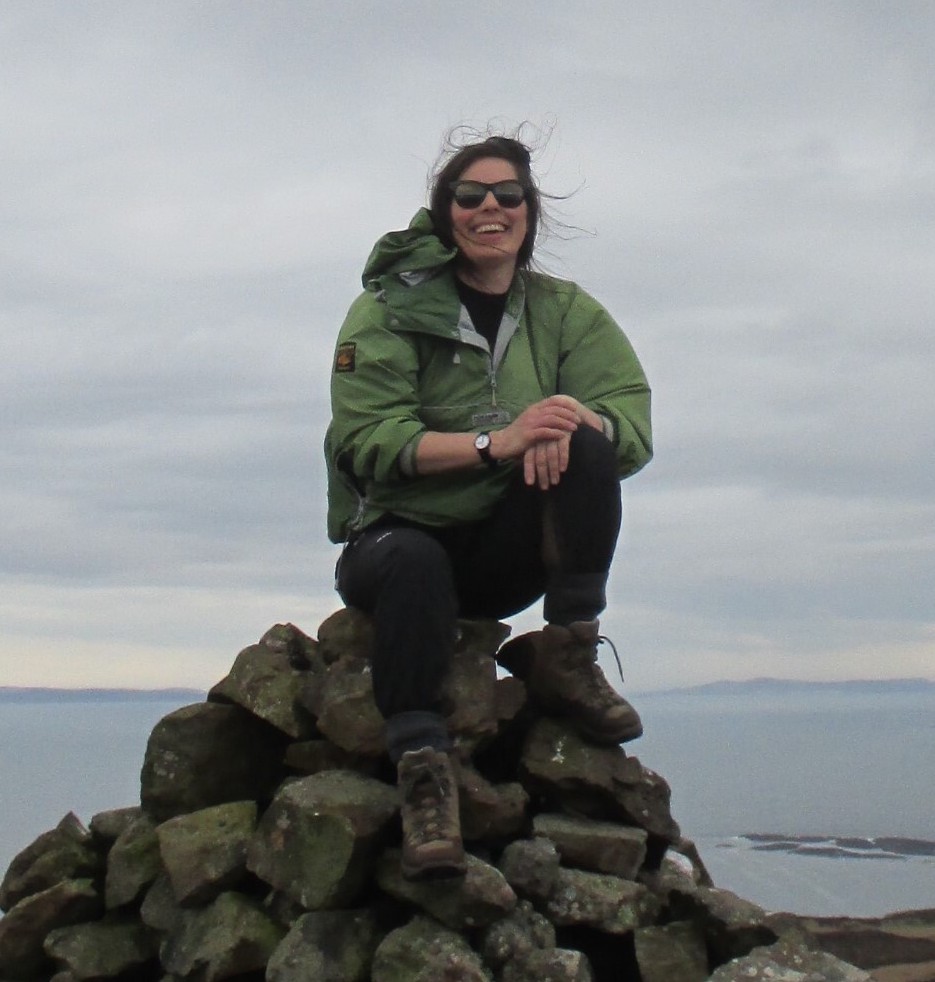
Maude Grenier
Undergrad Dissertation Student
Maude studied tundra plant phenology and how tundra plant growing seasons are changing in a warming world. Maude was a part of the Coding Club Team.
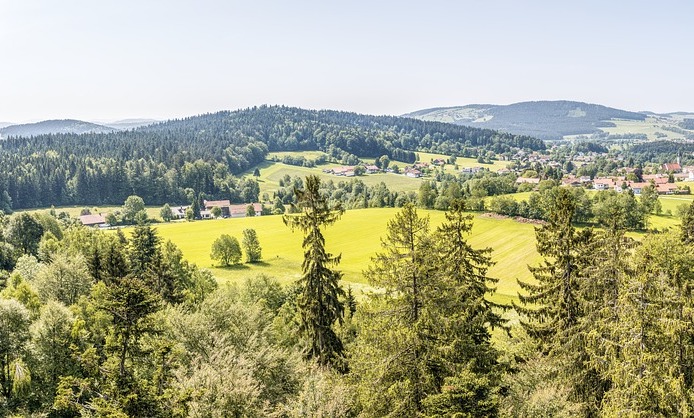
Lea Opitz
Undergrad Dissertation Student
Lea studied changes in the vegetation of grasslands within the Bavarian Forest National Park due to reinstalled grazing regimes.
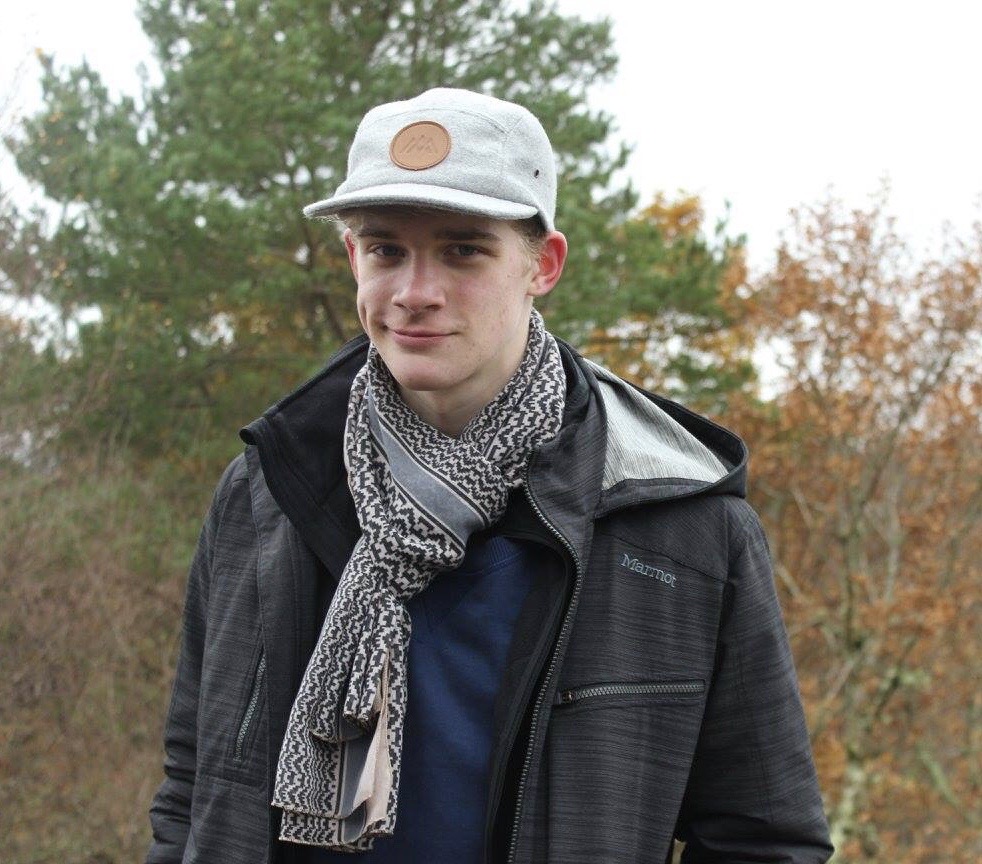
Shawn Schneidereit
Undergrad Dissertation Student
Shawn studied whether hyperspectral data capture Arctic plant biodiversity comparing in situ measurements and plot-level biodiversity records across tundra vegetation communities. Shawn was a part of the Coding Club Team. He is now studying for a Masters at Humboldt University.
Daniela Gargya
Undergrad Dissertation Student
Daniela studied global datasets of local biodiversity change in comparison with assessments of human activity. Daniela was a part of the Coding Club Team. She is now studying for an Masters at the University of Freiburg.
Izzy Rich
Undergrad Dissertation Student
Izzy studied land-use change with socioeconomic change in Latvia. was a Team Shrub field assistant in Kluane in 2017 where she took care of the common garden. Izzy was a part of the Coding Club Team.
Cameron Cosgrove
Undergrad Dissertation Student
Cameron studied deforestation in the range of red pandas. He was a Team Shrub field assistant in Kluane in 2017. Cameron was a part of the Coding Club Team. He is now continuing his Canadian adventures at the University of British Columbia in an MSc.
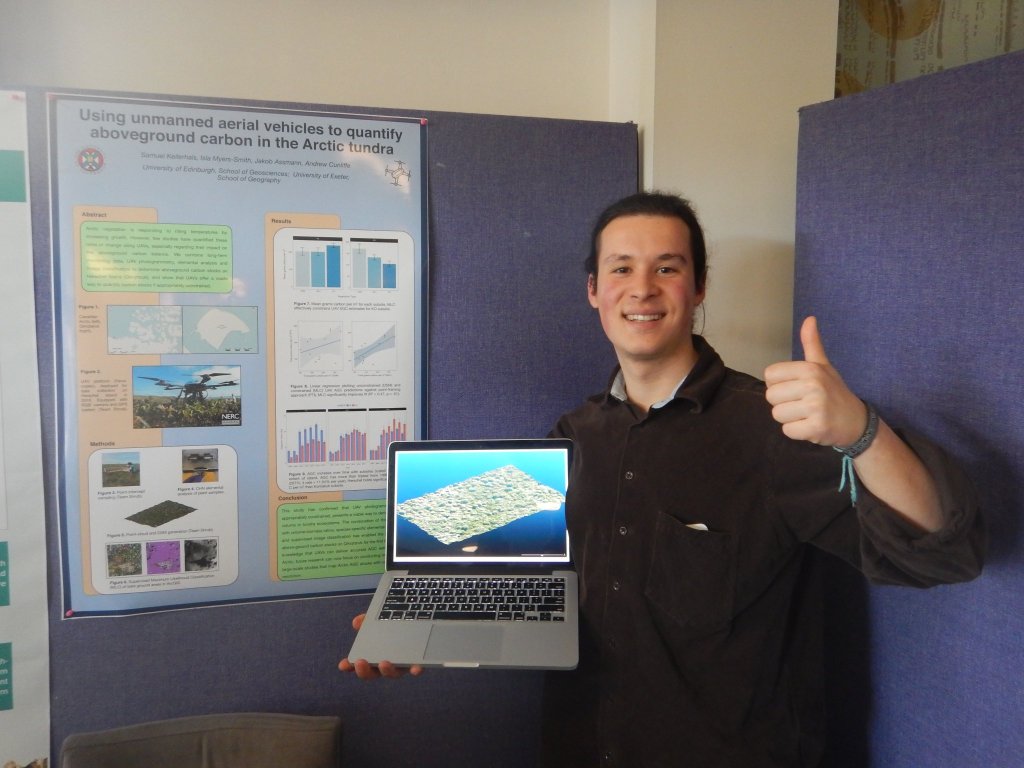
Sam Kellerhals
Undergrad Dissertation Student
Sam quantifying the above-ground carbon stored in Arctic ecosystems and in particular, on Qikiqtaruk. Sam was a part of the Coding Club Team. He has finished a Masters at the University of Amsterdam.
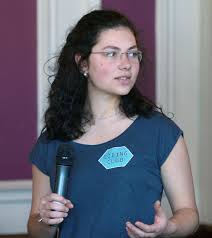
Claudia Meca
Undergrad Dissertation Student
Claudia studied how biodiversity and species traits vary not just across latitudes, but also along different altitudes. Claudia was a part of the Coding Club Team. She is now doing a Masters at Duke University.
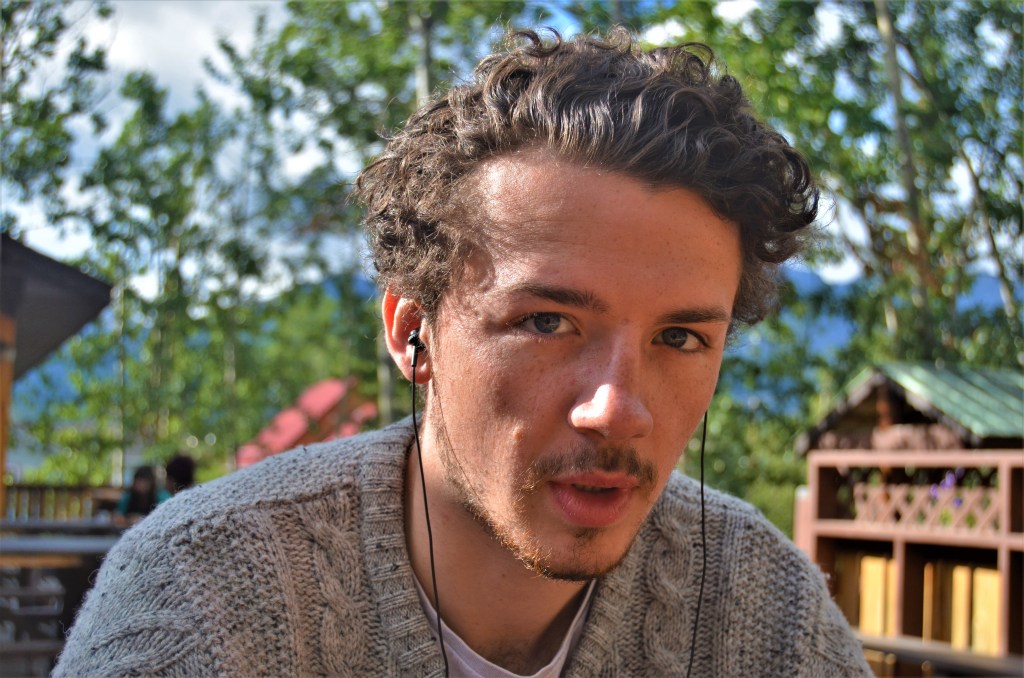
Matt Little
Undergrad Dissertation Student
Matt investigated the influence of temperature and elevation on different guilds and species of birds extend. He compared communities in Cusuco National Park, Honduras and in Kluane National Park, Canada. He was a Team Shrub field assistant in Kluane in 2017. Mat is now a PhD student at The University of Iowa.
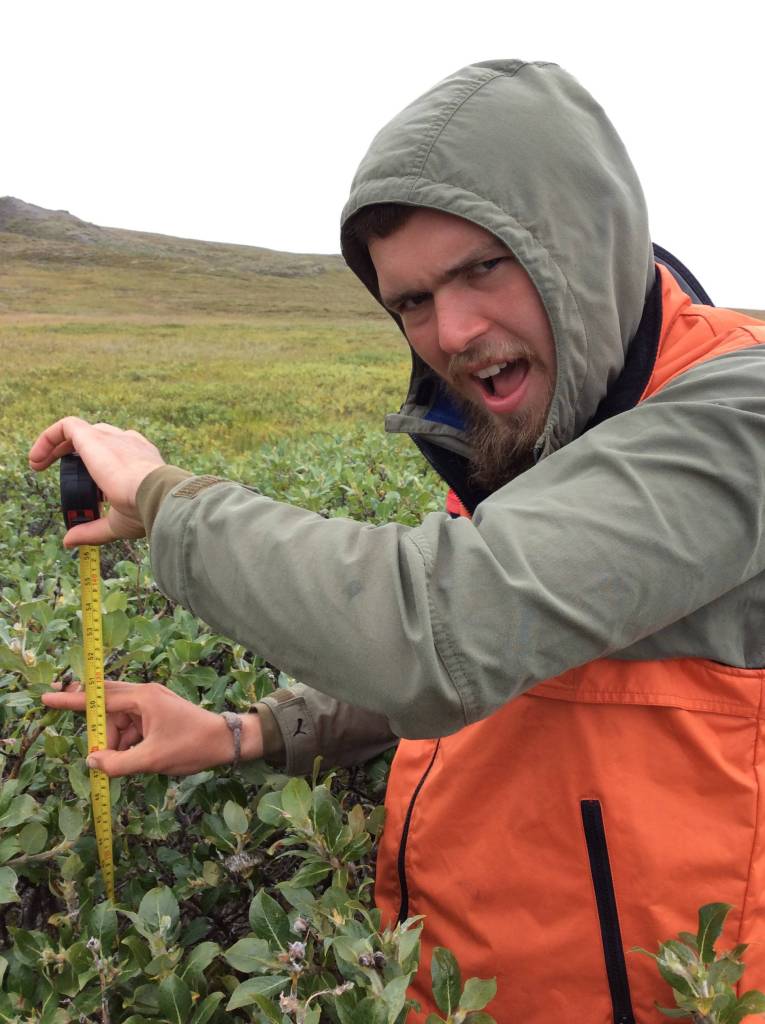
Joe Boyle
Undergrad Dissertation Student
Joe studied the connection between phenology and growth in the dwarf shrub Salix arctica. Joe was also the team shrub field assistant for the 2015 field season. He enjoys reading and long walks on the beach (and herbivory protocols…). He is now working on writing up his honours thesis as a manuscript! Joe was a part of the Coding Club Team.
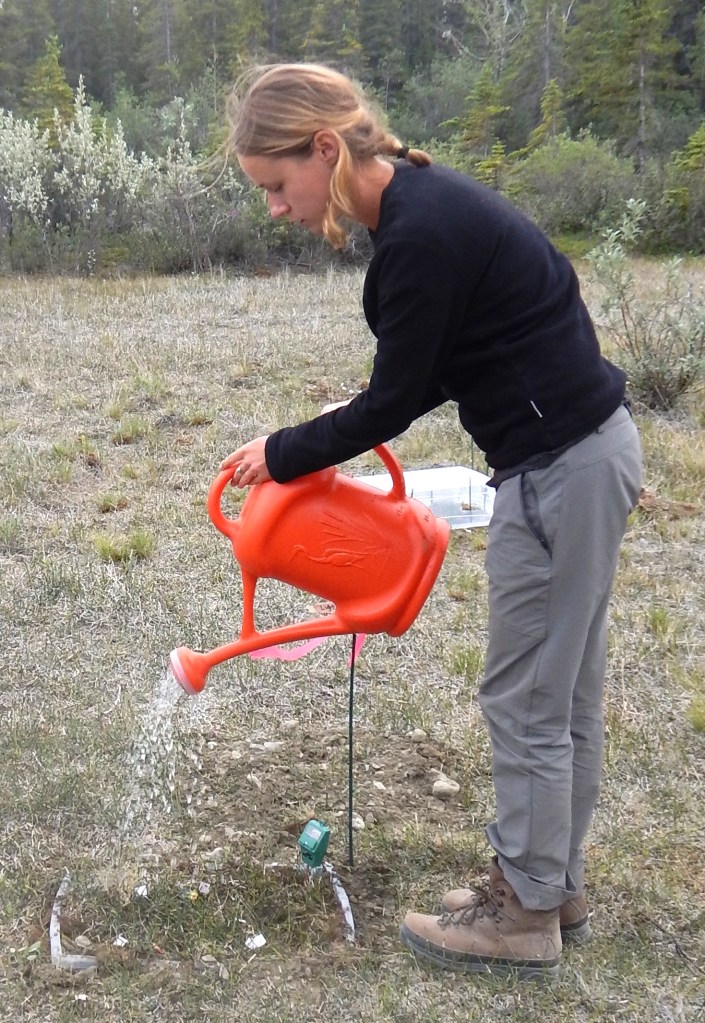
Eleanor Walker
Undergrad Dissertation Student
Eleanor studied how soil moisture and temperature influence rates of decomposition using the teabag index in boreal and tundra ecosystems. Eleanor was also the team shrub field assistant for the 2016 field season. She is also now writing up her honours thesis as a manuscript! Eleanor was a part of the Coding Club Team.
Arabella Kennard
Undergrad Dissertation Student
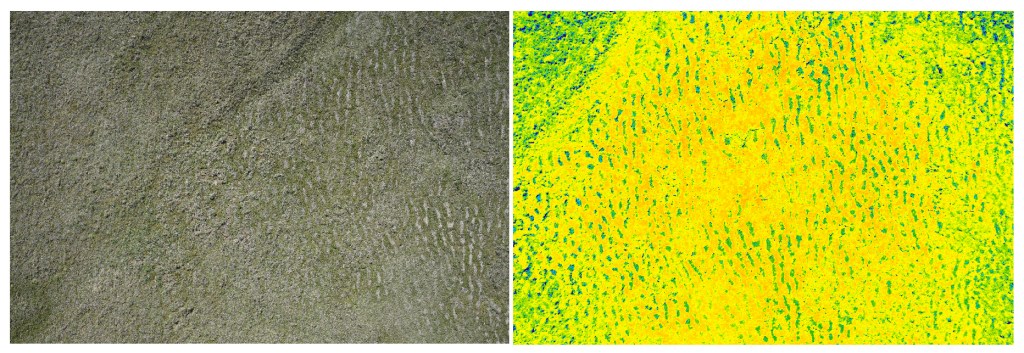
Arabella studied the link between soil moisture and tundra greenness using drone imagery derived digital surface models and maps of the greenness of the tundra.
Santeri Lehtonen
Undergrad Dissertation Student
Field assistant 2015 and 2016
Lab manager 2015-2016
Santeri explored phenology change and tundra greening on Qikiqtaruk for his honours dissertation, and worked as a laboratory manager & field assistant in 2015 – 2016.

Alex Lowe
Undergrad Dissertation Student
Alex explored community-weighted specific leaf area change on Qikiqtaruk and sites around the Western Arctic.
Former Lab Employees
Ciara Norton (she/her)
Data Scientist/Data Manager/Research Data Coordinator
Faculty of Forestry, University of British Columbia
As the Research Data Coordinator I collect and analyze spatial and ecological data to detect landscape level change in the Arctic and additionally manage datasets for ITEX and other affiliated organizations. I am also the Team Shrub band’s official keyboardist. My research with team shrub is investigating permafrost thaw disturbance through modelling retrogressive thaw slumps and active layer detachments. Part of this work will be carried on as a masters thesis with Team Shrub in 2025.
Damien Georges
Programmer/Data scientist
Damien worked with satellite imagery (NDVI), climate and species occurrence, abundance and growth data to test the correspondence between on-the-ground and remotely-sensed measures of tundra productivity.
Clara Flintrop
Field Research Assistant 2014
Clara was the team shrub field assistant for the 2014 field season in the Yukon Territory. She has now finished her PhD at the Alfred Wegener Institute in Germany.
Louise Beveridge
Field Research Assistant 2013
Louise was the team shrub field assistant for the 2013 field season. In addition, she explored the prevalence of publicly accessible data in the global change ecology literature. She has now finished her PhD at the University of Leeds.
Visiting Students
Julie-Pascale Labrecque-Foy (MSc), Université Laval
Sigrid Schøler Nielsen (PhD), Aarhus University
Clara Morrissette-Boileau (MSc), Université Laval
Margrete Aakjær Christiansen (MSc), Aarhus University
Research Networks
HiLDEN – I am the co-lead of a research network combining drone data from around the circumpolar north to understand high-latitude greening and browning trends called the High Latitude Drone Ecology Network.
ShrubHub – I lead a research network with international collaborations working at sites around the tundra biome. We work to synthesize tundra vegetation change and in particular to quantify tundra shrub dynamics.
sTUNDRA – I led a working group at the iDiv German Synthesis Centre for Biodiversity Science, involving over 30 scientists from Europe and North America. We explored how tundra plant communities and their trait distributions are changing in response to warming, and tested the correspondence of satellite and in situ observations of tundra greening. This working group led to the Tundra Trait Team Database and papers in Nature, Nature Comms. and Nature Climate Change.
sChange – I participate in a working group funded by both the iDiv German Synthesis Centre for Biodiversity Science and the Canadian Institute for Ecology and Evolution. We investigated how biodiversity has changed in recent decades across both marine and terrestrial ecosystems. This working group led to papers in Science, People and Nature and Oikos.
 Team Shrub