Arctic Science Logistics

And we’re back. Back to Qikiqtaruk – Herschel Island after two weeks away and A LOT of logistics. Have you ever wondered what it takes to plan for a three-month-long field season? In this blog post, we will reveal all of the secrets of Arctic science logistics.
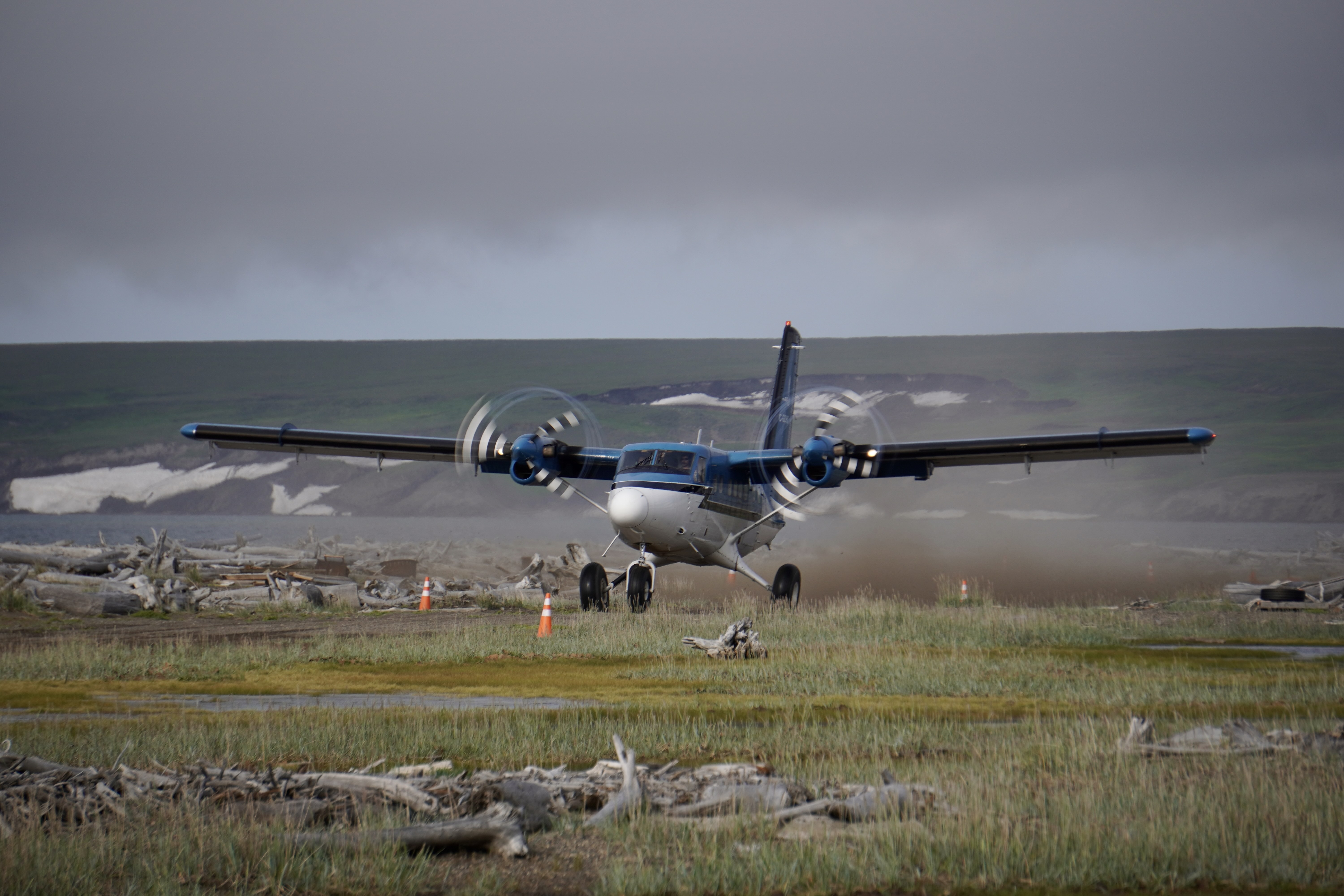
The Twin Otter lands on Qikiqtaruk – Herschel Island. This moment is the culmination of months of Arctic science logistics. Let the science begin! Photo by Alex Beauchemin.

Team Shrub’s summer preparations begin months before we head up North, logistics planning only accelerates once we reach Whitehorse and then it kicks up a notch further once we reach Inuvik. Through out the summer about half of the work we are doing is arguably the logistics of our field research program. In this blog post, we will share with you all of the ins and outs of the logistics behind the science that we do.

Perhaps not the best packed pallet at Aklak Air. This is the first pallet that the new Team Shrub field had packed and it may or may not have been up to Aklak standards, but as the summer logistics progressed, the crew are now expert pallet packers! Photo by Isla Myers-Smith.

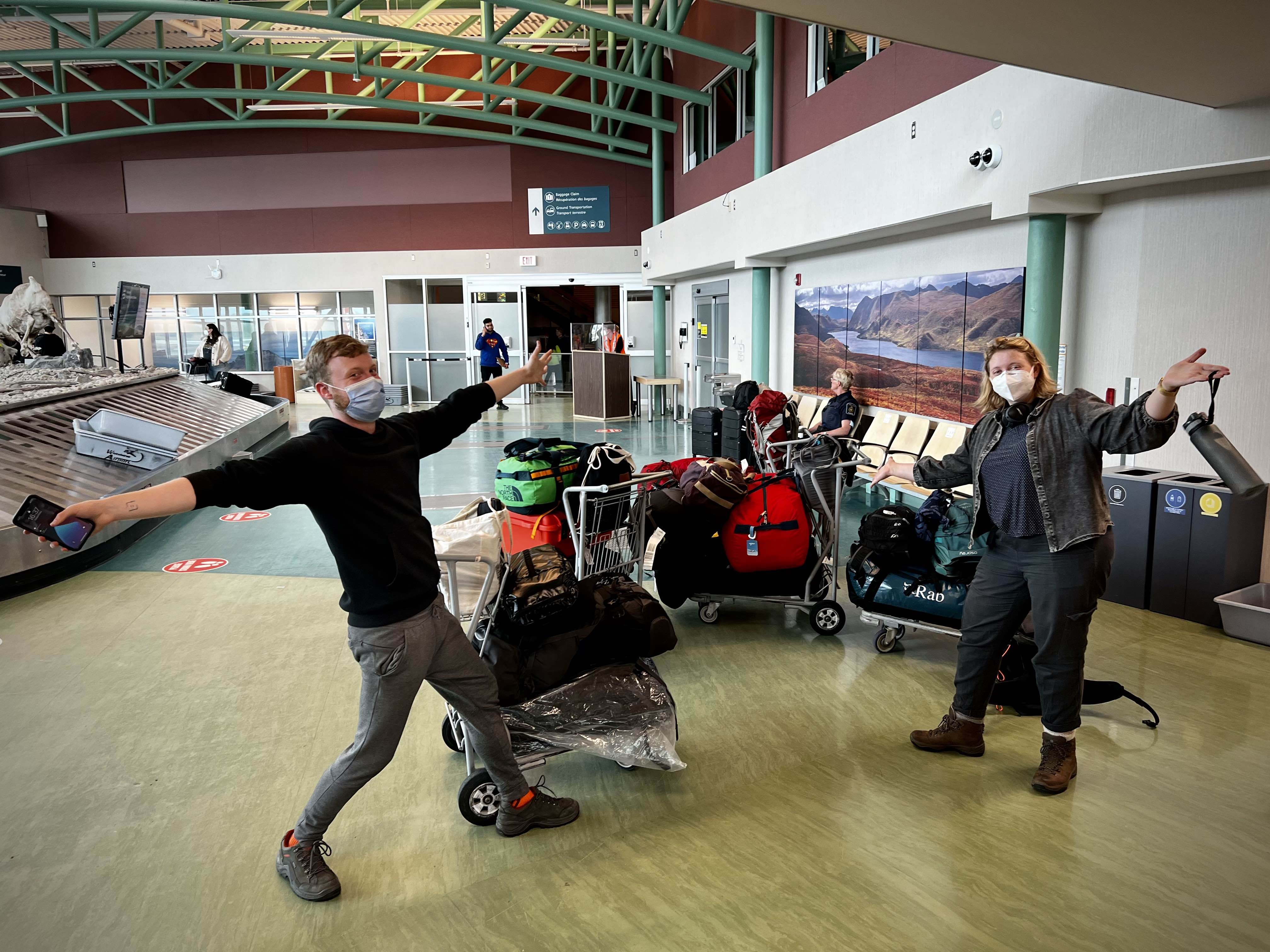
This year, our journey to the field started with the whole crew together at the Vancouver International Airport. With some arriving only an hour before departure (due to last minute shipping issues with our equipment – classic!), we scrambled to check over a dozen bags and to get our large collection of lithium batteries through security in time for our flight. In addition to helping replace the used phenocam batteries from both Kluane and Qikiqtaruk, these batteries will be used for several new projects this field season. Read more about our battery-intensive ARU and wildlife camera endeavors in our last blog post.

The Team Shrub 2024 field crew gathers at the Vancouver Airport to head north from the University of British Columbia to the Yukon. Photos by Judith Myers (left) and Isla Myers-Smith (right).

Before Northern and Southern Team Shrub had to part ways for a month, we spent a few days together in Whitehorse and one special day in Kluane. Our Whitehorse days (and nights) were occupied by packing, purchasing more lithium batteries, designing field equipment, and checking out local coffee and book shops to get our last latte fixes and to purchase reading materials for the summer. And our Kluane days were spent getting settled in our southern research site.

The first days of the field season were spent learning plant species and getting settled into our southern Yukon research home – the Outpost Research Station. Photos by Elias Bowman (left) and Isla Myers-Smith (right).

One of our goals this year is to set up “muskox-proof” field equipment to solve our multi-year struggle of keeping our tundra field cameras upright. We’ve been collaborating with Duncan’s LTD, a metal fabrication shop in Whitehorse, to design musk-ox-proof camera and audio recorder stands and are excited to share how these stands fare against the elements and wildlife at this point in the summer, so far so good!

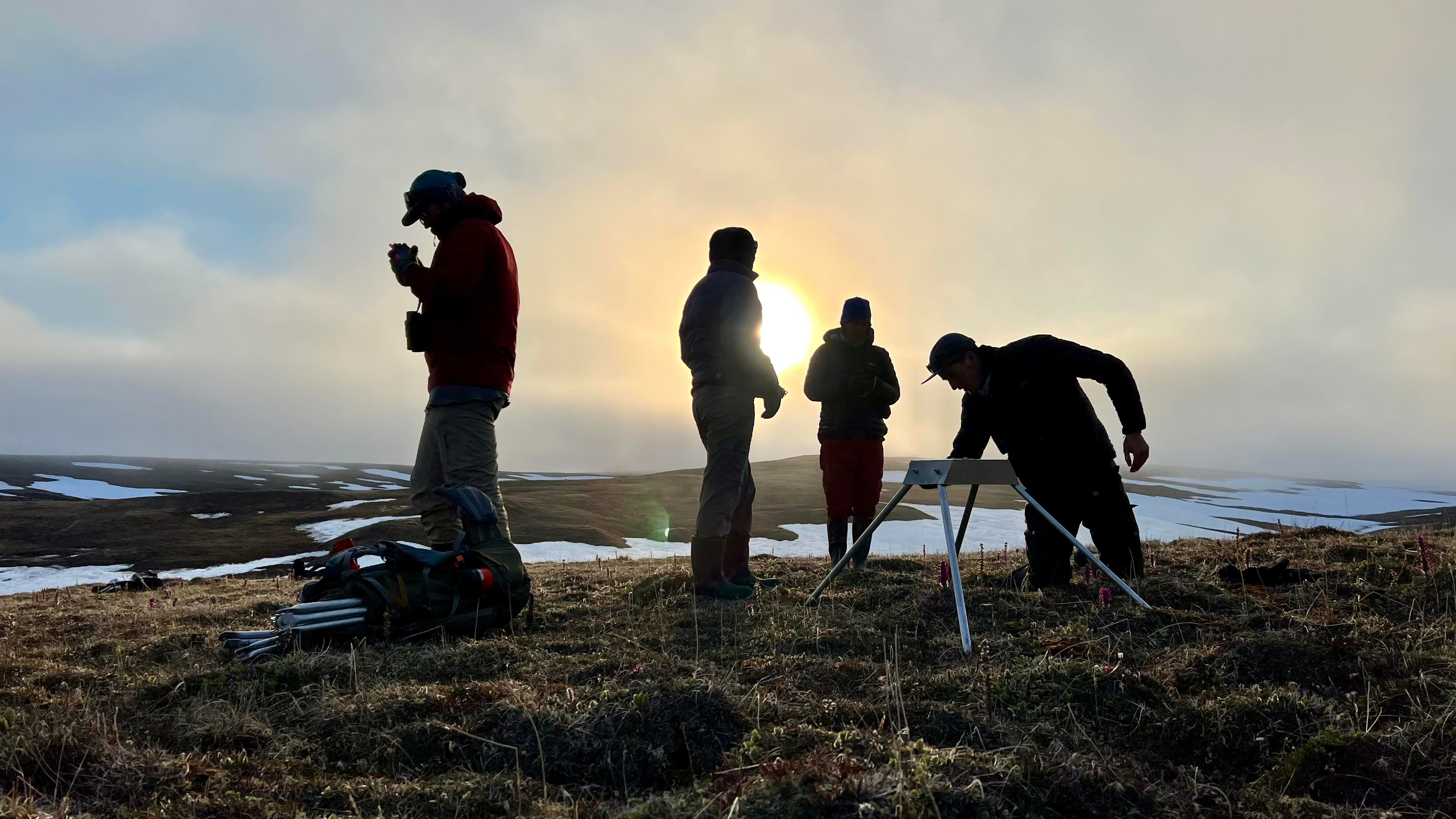
Collecting the new tripods and testing out one of our new muskox-proof “TURTLEs” in the field. Photos by Elias Bowman (left) and Isla Myers-Smith (right).

Once we reached Kluane, we hiked up to the Kluane Plateau, identifying as many plants as we could along the way. The whole team has become heavily invested in iNaturalist, an app that allows users to upload observations of the biodiversity around them. Created by MSc students at the University of California Berkeley, and now funded in part by the National Geographic Society (like us), observations uploaded on the app form a public dataset with millions of records for all kinds of species.
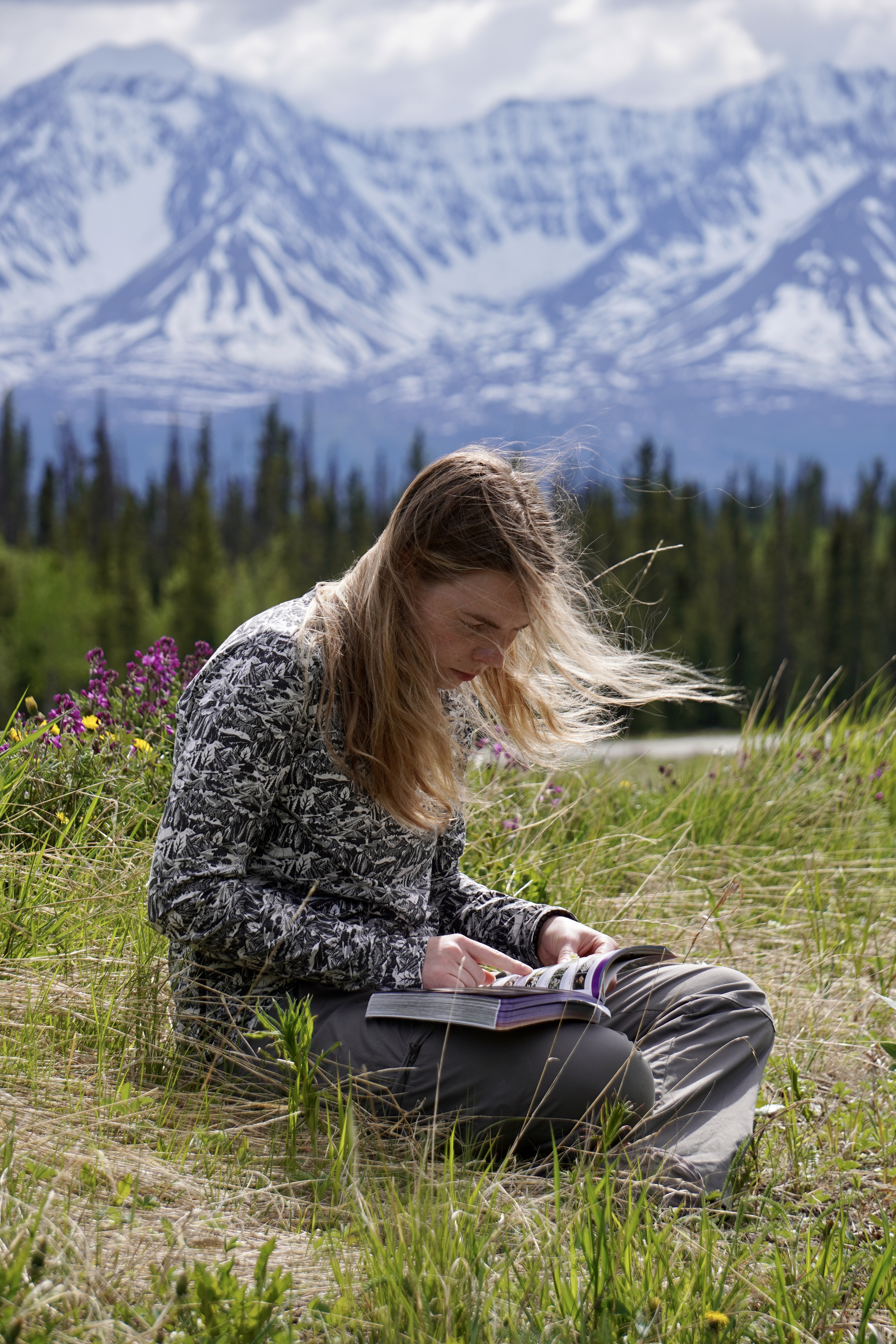
Ciara learning her plant species along the edge of the Alaska Highway at the start of the field season. This summer we have challenged ourselves to ID 500 species across the Yukon, NWT and Northern BC. Photos by Alex Beauchemin (left) and Elias Bowman (right).

We’re looking forward to finding out which member of the team will have the most observations by the end of the summer! (FYI, it will probably be one Cameron D. Eckert.) Our big update is that we just reached our milestone of 500 unique species in the Yukon and Northern BC identified by our team and a whole collective of other iNaturalists out there providing species IDs for our observations and verifying of our IDs!

Ciara snaps a photo of a blond black bear – how confusing – that was later posted to iNaturalist causing a minor iNaturalist debate about what species it was. Photo by Elias Bowman (left). On 28th July 2024 we reached 500 species identifications on iNaturalist during this summer’s fieldwork. What an achievement Team Shrub!

After an adventure-filled five days in the Southern Yukon at the start of the season, it was time for the Team Northern Shrub to tearfully say goodbye to Team Southern Shrub and head off to Inuvik. Despite leaving Kluane seven hours before our flight, we still rushed with last minute gear pick-ups and packaging in Whitehorse. Yet again, we were in for hectic pre-flight logistics that left us repacking bags and weighing equipment a mere half hour before take-off.

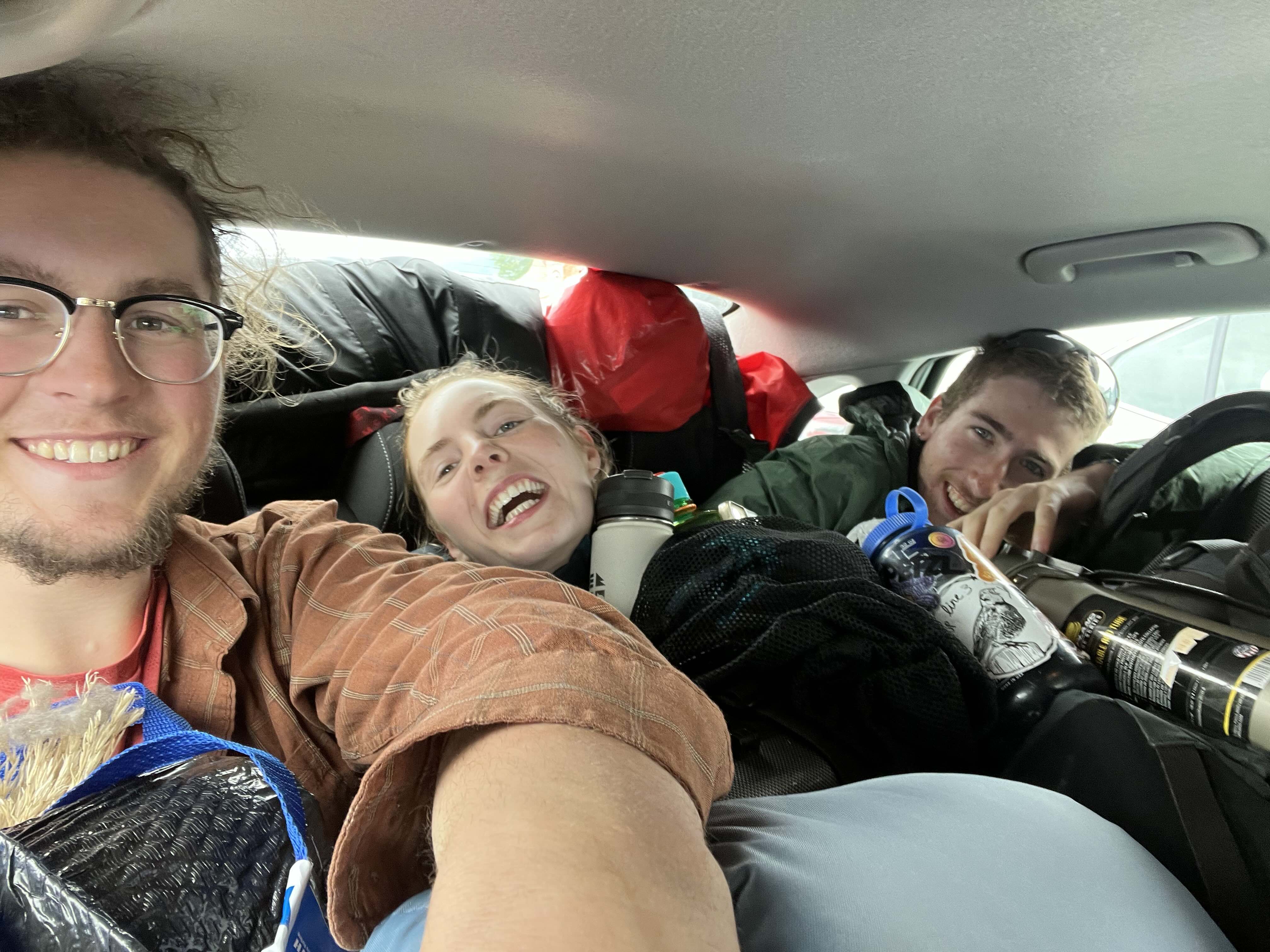
One part of Team Shrub Arctic science logistics is that we always have too much stuff. Too much for our car, too much for the plane, just too much in general, but every item has its use in our fieldwork. Photos by Alex Beauchemin (left) and Elias Bowman (right).

This time it was our heavy and awkwardly shaped custom metal tripods that caused faff rather than our batteries. To our dismay, we learned that our tripod legs – ingeniously packaged in a fishing pole tube – exceeded Air North’s 203 cm baggage length limit by a whopping 4 cm! Thankfully, we were eventually told that our pole would indeed be able to fit on the plane and we were on our way in no time.

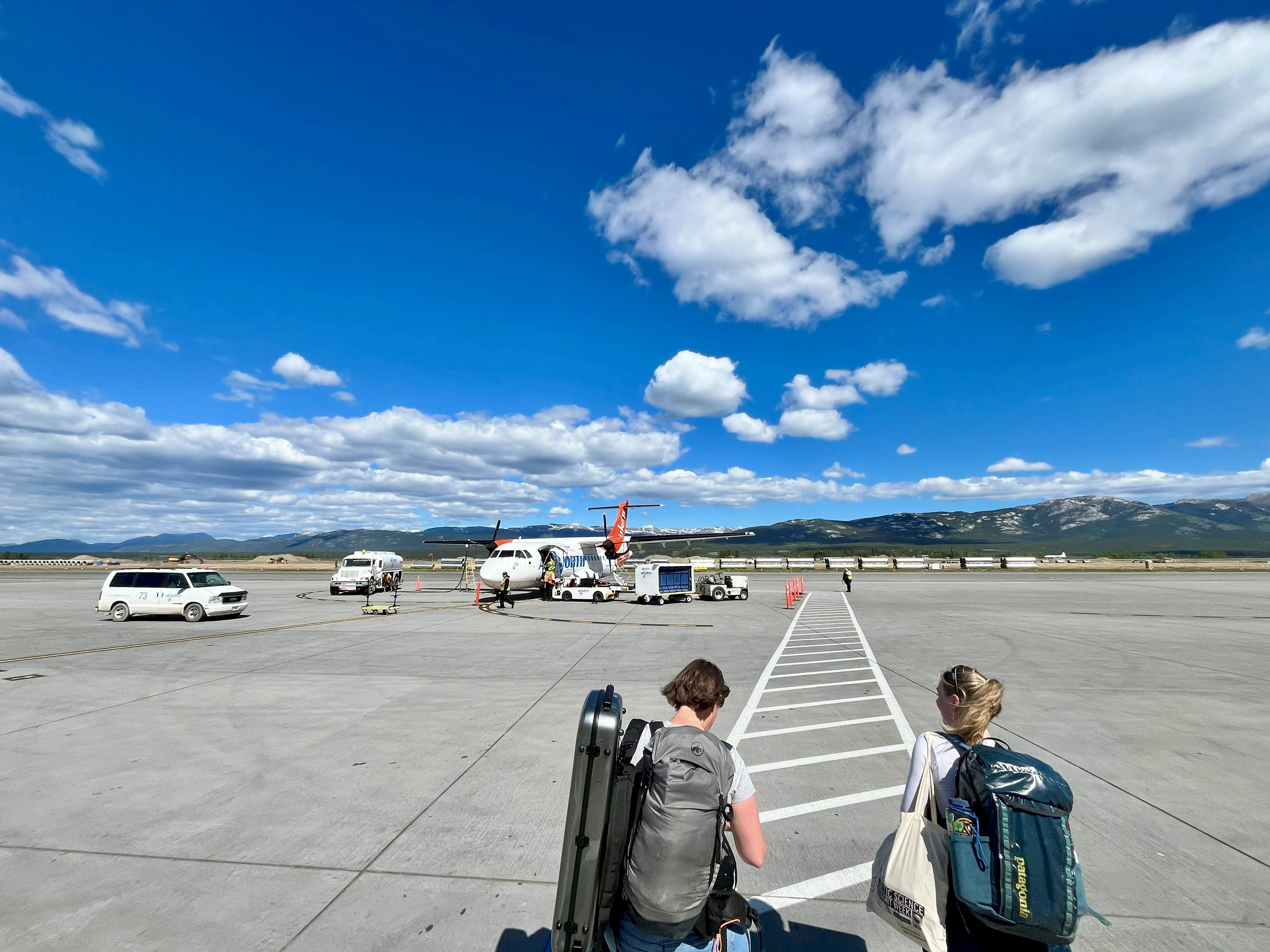
One of the most stressful stages of Arctic science logistics is flying places with all of our gear. But, thankfully Air North, Yukon’s Airline is very accommodating of Arctic researchers with too much gear! Photos by Elias Bowman.

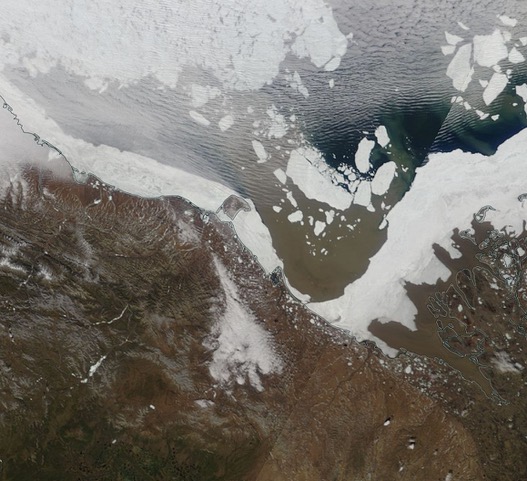
After a scenic flight across the Yukon and over to the Mackenzie Delta, we landed in Inuvik, where we would spend the next week doing more logistics. Originally scheduled to fly to Qikiqtaruk on June 17th, our timeline became uncertain due to the icy conditions on the Island. We soon discovered that Qikiqtaruk was experiencing the highest spring sea ice cover in over 20 years. So our imminent departure to the island was going to be delayed.
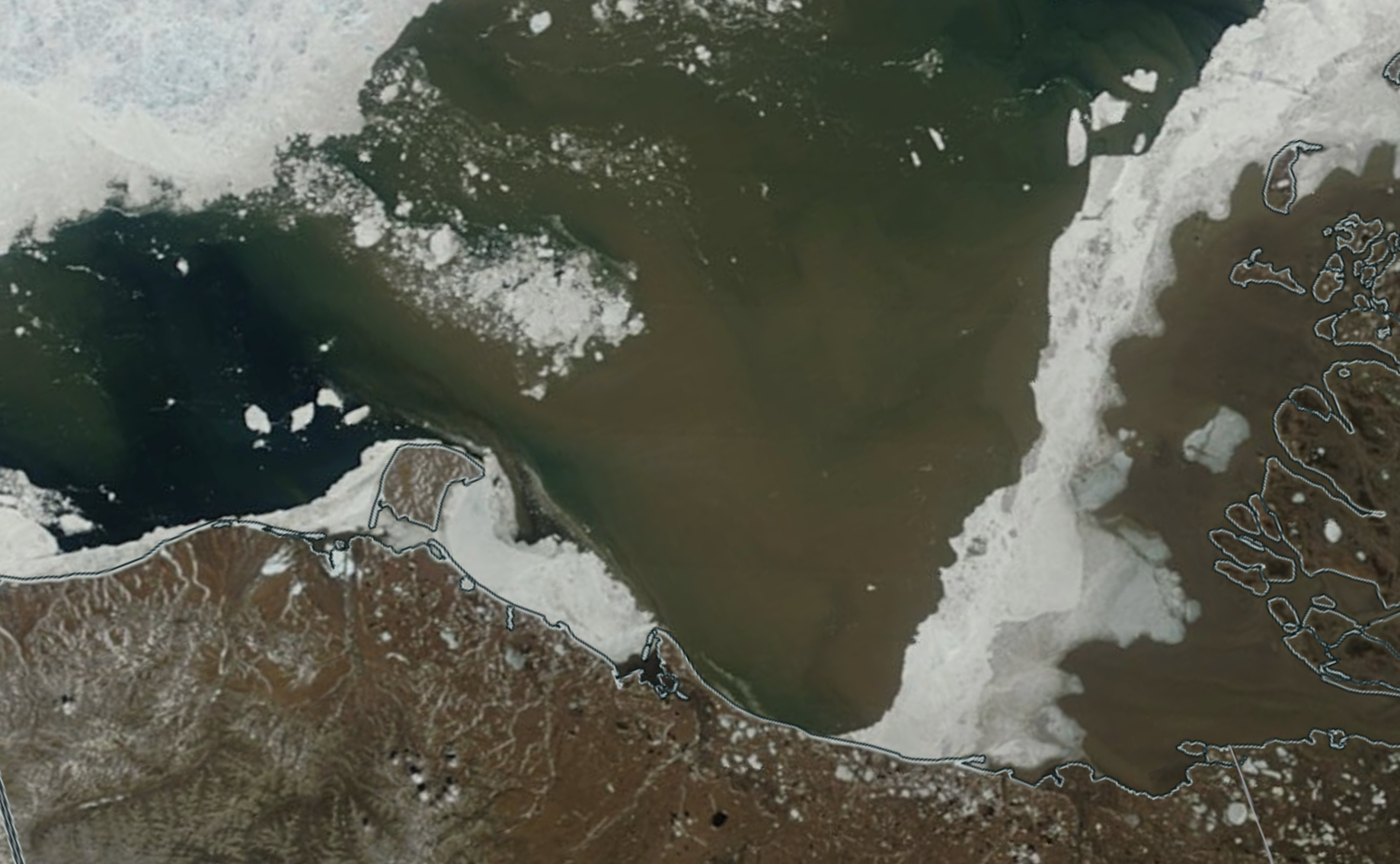
This is one of the latest sea ice years since around the year 2000 on the Yukon North Slope. Satellite images of the sea ice concentration around Qikiqtaruk on 11th June 2023 and 11th June 2024. NASA Worldview.

Although this news meant that we wouldn’t be able to reach the island for some time, we were excited to use our newfound days to enjoy Inuvik’s balmy 15°C weather and explore the town’s attractions. We braved the water at Airport Lake as our first Arctic swim, and we practiced our northern plant and wildlife identification using our favourite app, iNaturalist (see above). Despite more time available, we still ended up working all day and much of the night to prepare for the field.

The team takes their first Arctic plunge in Airport Lake. Though the video doesn’t show it, Isla did take a dip and Elias did in fact succumb to peer pressure and dunk his head when the camera was off. Video by Isla Myers-Smith.

We even got the chance to stop by Richard and Tracey’s house for a hockey and nachos night. Richard is the Senior Park Ranger for Qikiqtaruk – Herschel Island Territorial Park and Tracey is the manager of the Capital Suites in Inuvik and former deputy chief of the Vuntut Gwitchin in Old Crow. We learned that when Richard isn’t working, he’s busy playing the guitar and singing songs about Qikiqtaruk, Aklavik and life in the North. As it turns out, our crew is very musical and we joined in on the jam session (with varying degrees of proficiency) on the keyboard, harmonica and spoons.

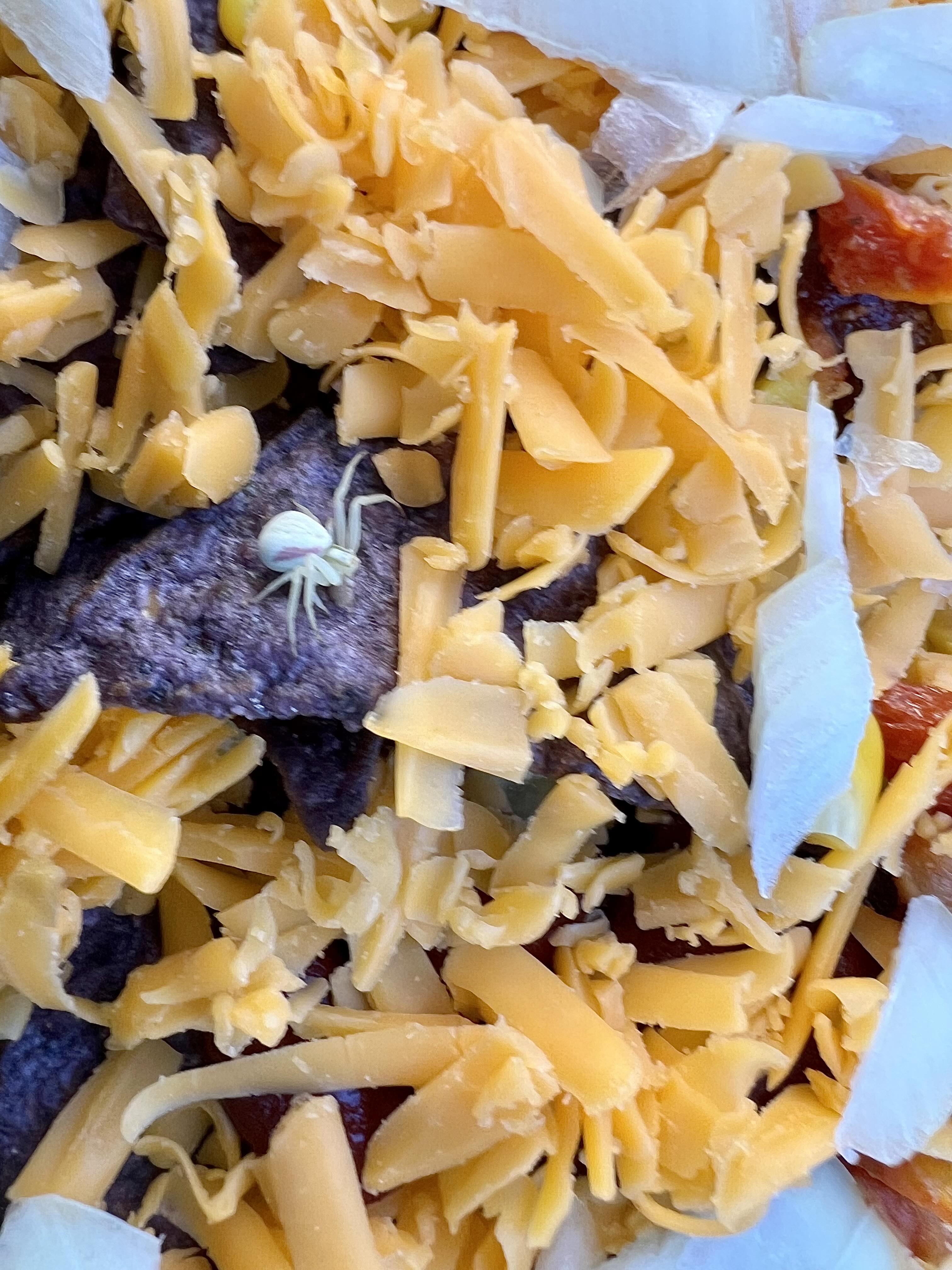
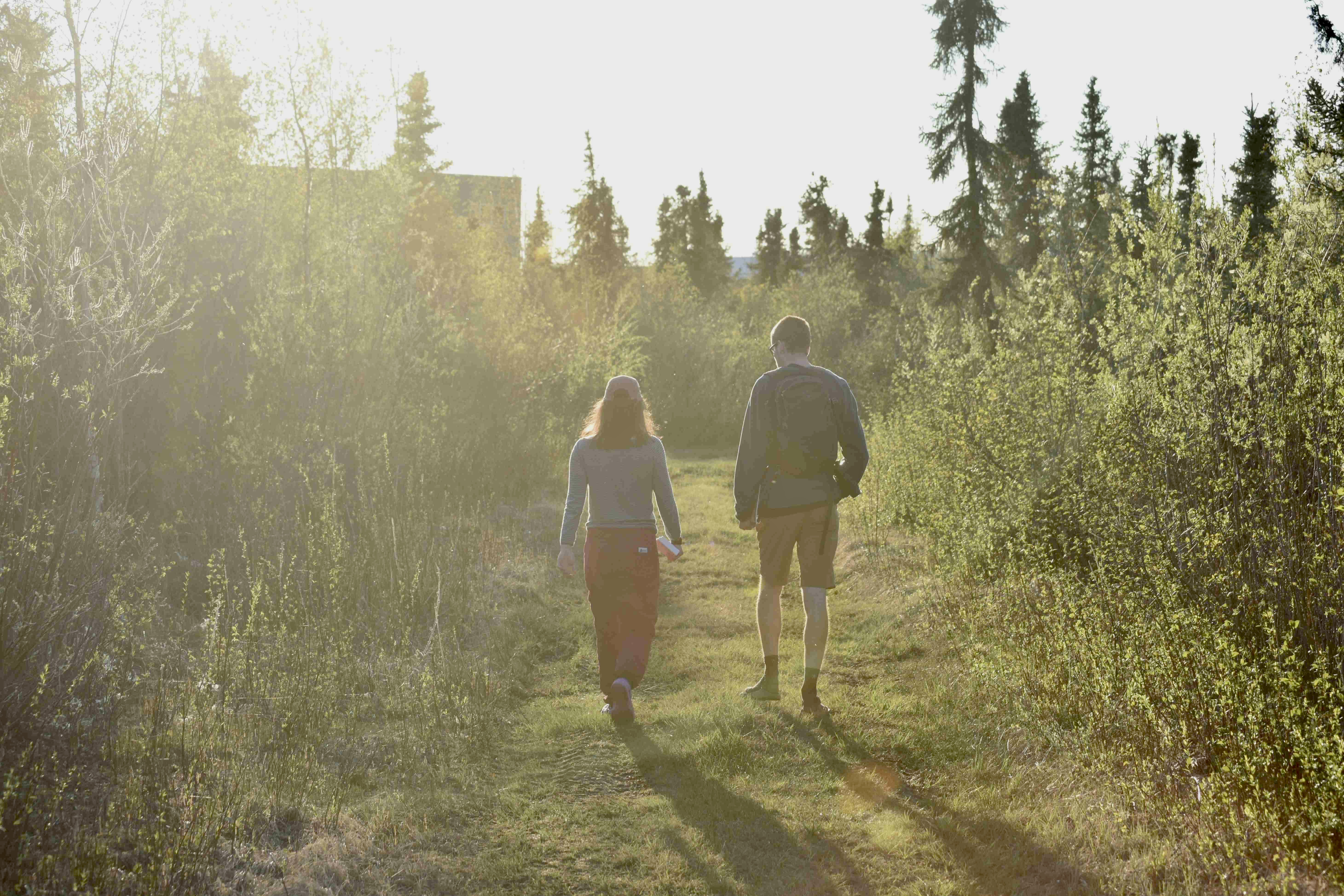
Time in Inuvik was mostly Arctic science logistics, but there was some time for playing music, eating nachos, hockey game watching and walks through the boreal forest. Photos by Isla Myers-Smith (left and centre) and Elias Bowman (right).

To our excitement, Tracey gifted us a lettuce plant from her beautiful garden to bring to the island called Jr. Shrub (though an Asteraceae and not a shrub to clarify), who is still our constant companion out here in the Arctic. Combined with our unlimited supply of Country Time Lemonade, we now have all the vitamin bases covered – no scurvy for Team Shrub this year!
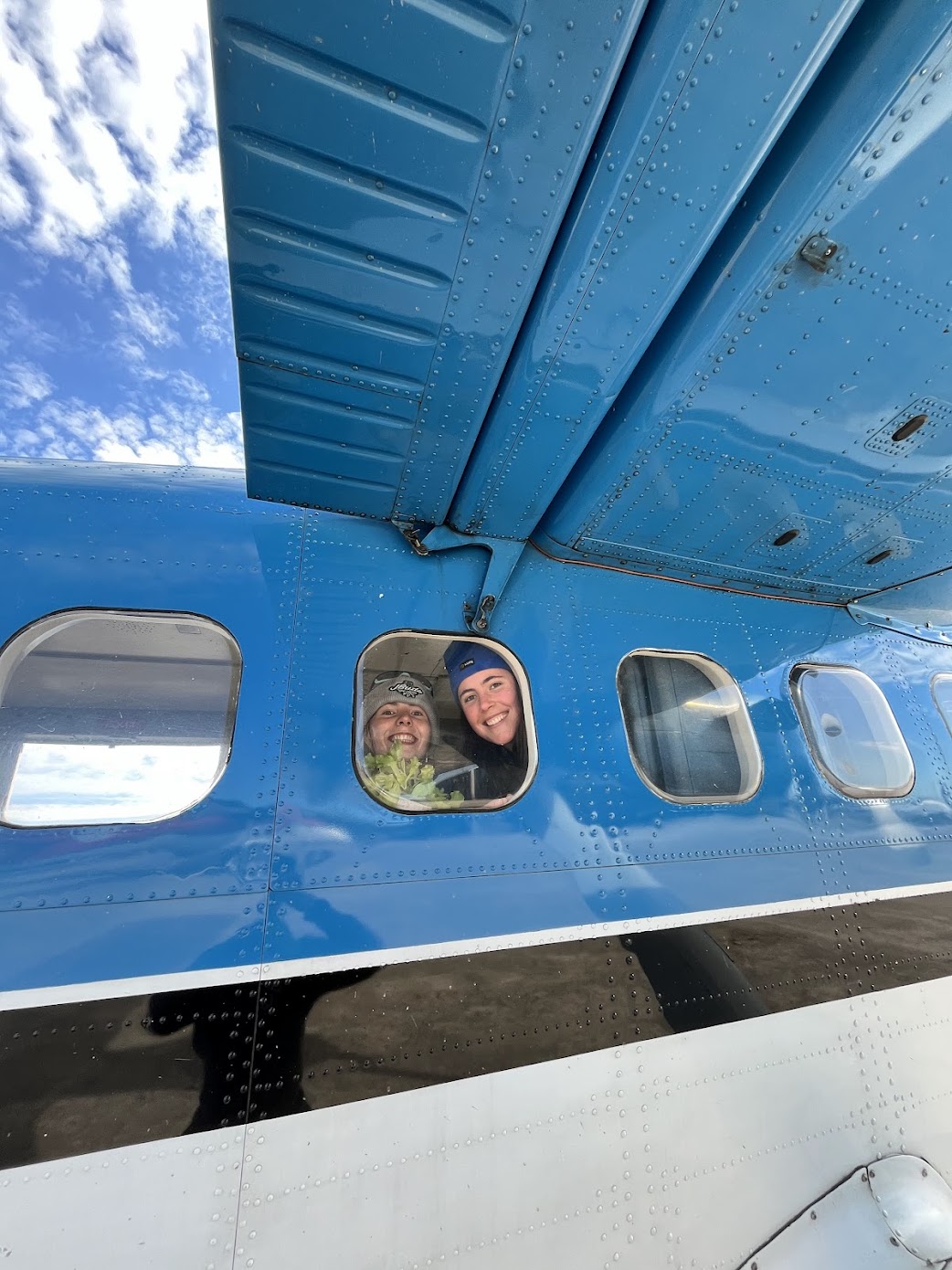
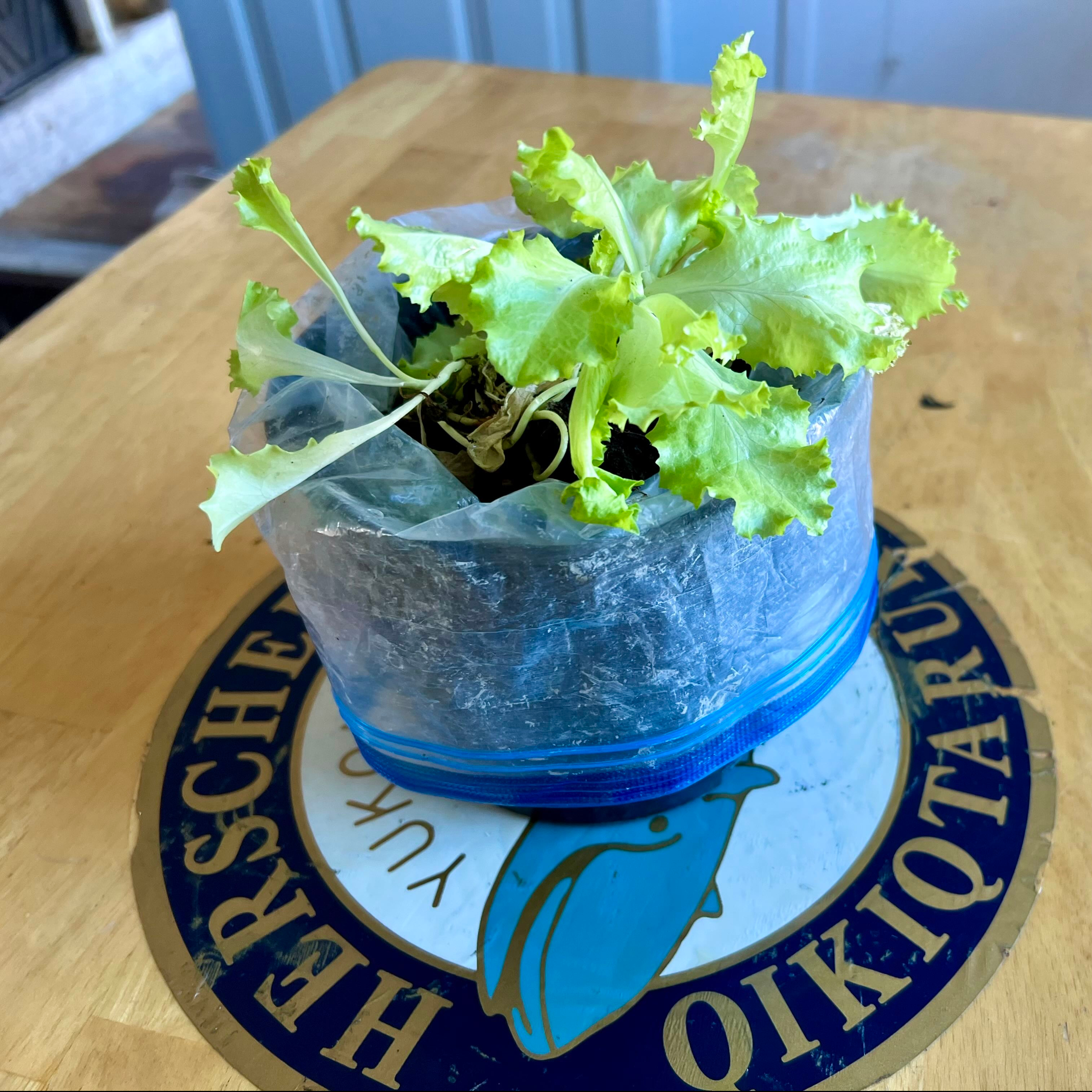
Ciara and Charlotte lovingly keep Team Shrub’s newest addition, Jr. Shrub, the northern-most lettuce in the Yukon, safe on the flight to Qikiqtaruk. Photos by Isla Myers-Smith and Elias Bowman (right).

The extra days also meant that we had more time to do some much-needed fieldwork preparation. One of our major tasks was to purchase and drill holes into PVC piping, which will be installed this summer as wells on Qikiqtaruk to gauge the water level for MSc student Micah’s Waterlogged Environment Land Loss (WELL) project. The Aurora Research Institute served as our workshop for the drilling of over 1500 holes, courtesy of Alex and Elias!

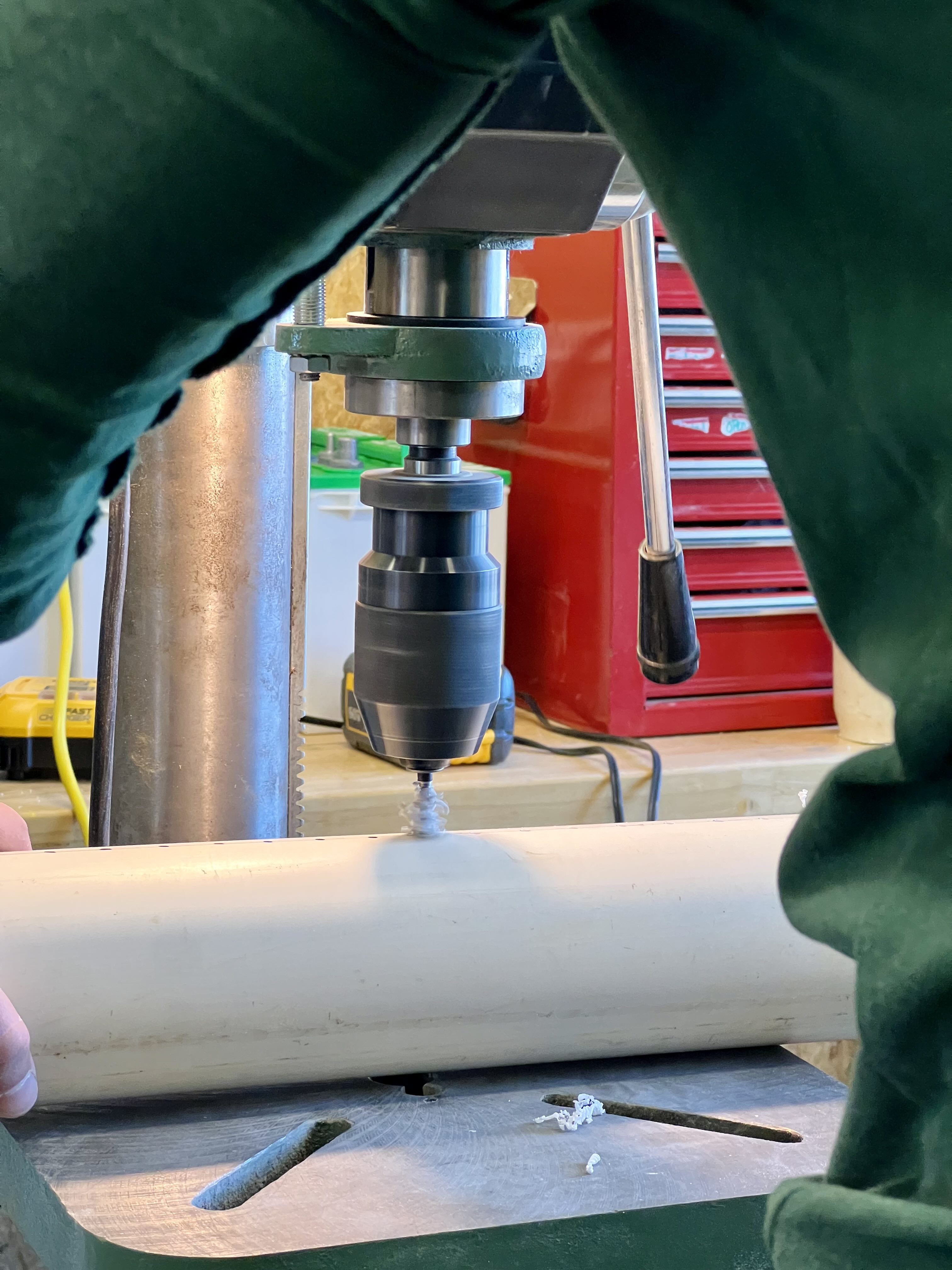
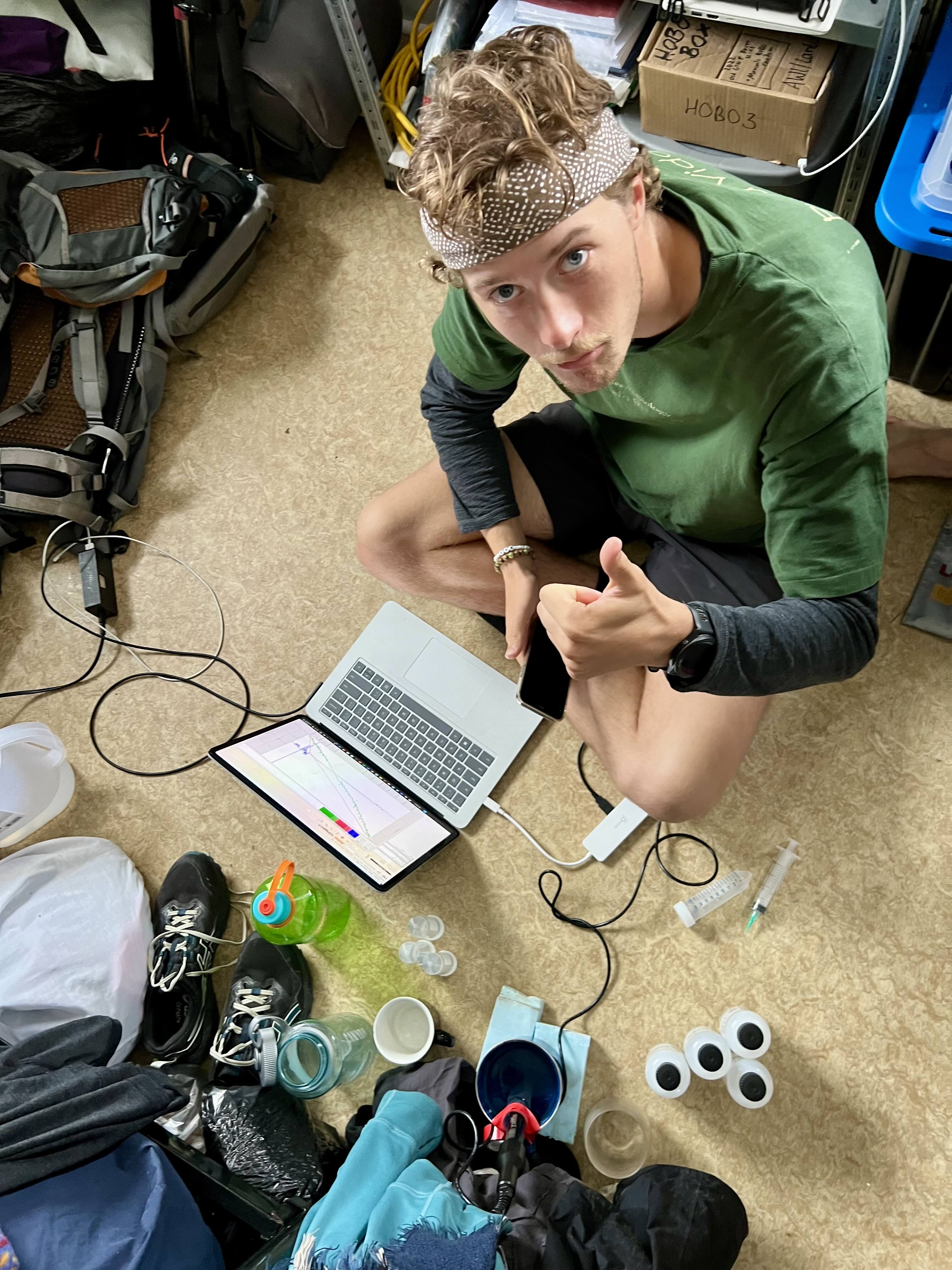
Drilling thousands of holes and calibrating in the fluctuating environment of the Signal’s House cabin, all in the pursuit of scientific accuracy and precision for the WELL project. Photos by Isla Myers-Smith.

On our second trip to Inuvik, a mere hour after landing we were in the tent in the centre of town for the 55th Annual Northern Games. The Northern Games is a gathering from the Inuvialuit Settlement Region to across the Canadian Arctic, Alaska and around the circumpolar Arctic, where people come together to participate in traditional games of agility, strength and pain tolerance.

The muskox push (left) and two foot high kick (right) at the 55th annual Northern Games in Inuvik. Photos by Isla Myers-Smith.

We have had a go at some of the Northern Games on the island with rangers Gina and Phil. We are nowhere near as talented as the athletes we watched, but having a go at the high kick or the musk ox push, gives you a real appreciation for the skill involved. We got to watch our intern Gabrielle compete in the musk ox push and ranger Craig compete in the one foot high kick. In a summer, when the Olympics is just beginning in Paris, France, for us the Northern Games was a chance to immerse ourselves in the sports of the Arctic.
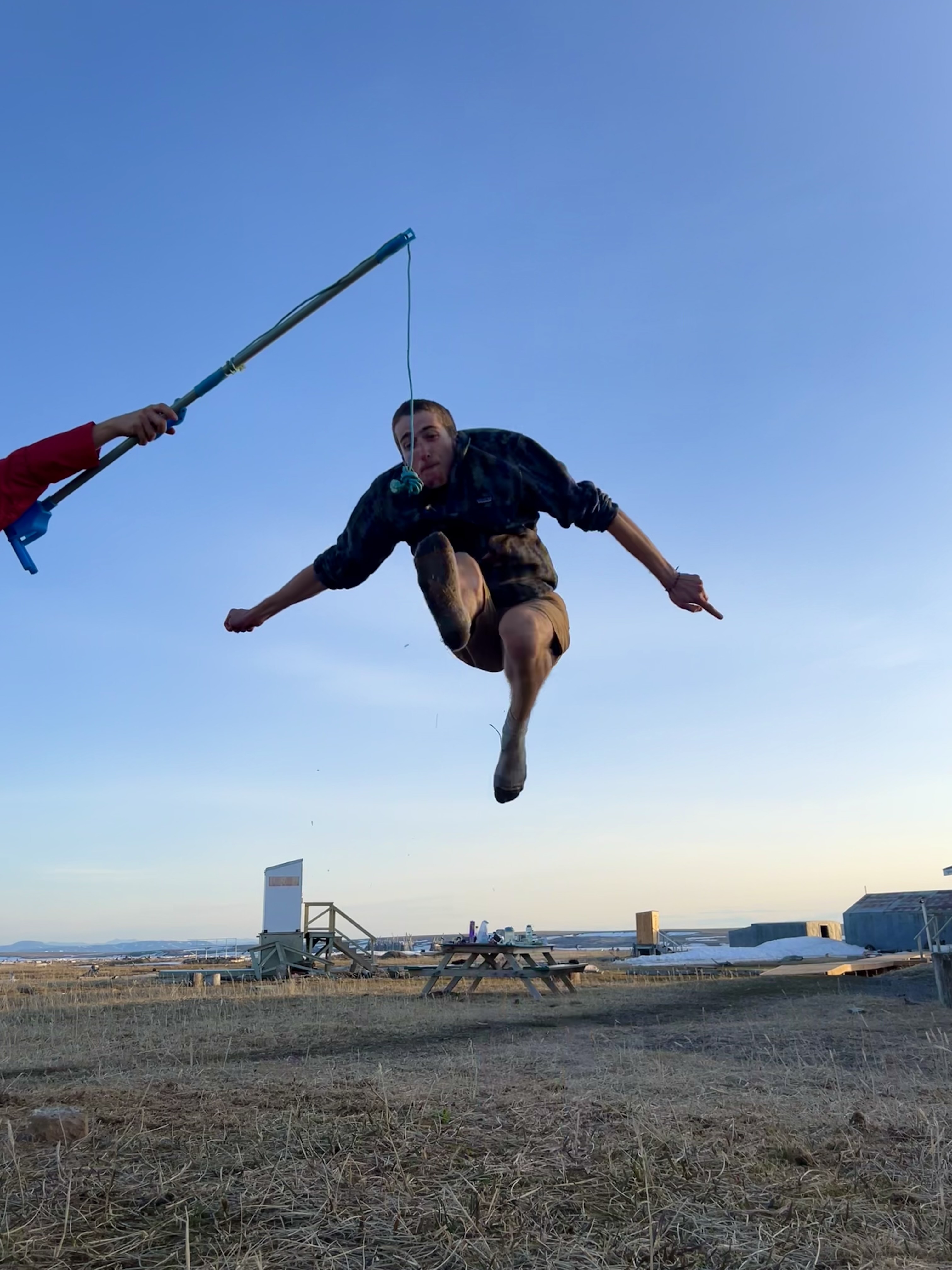
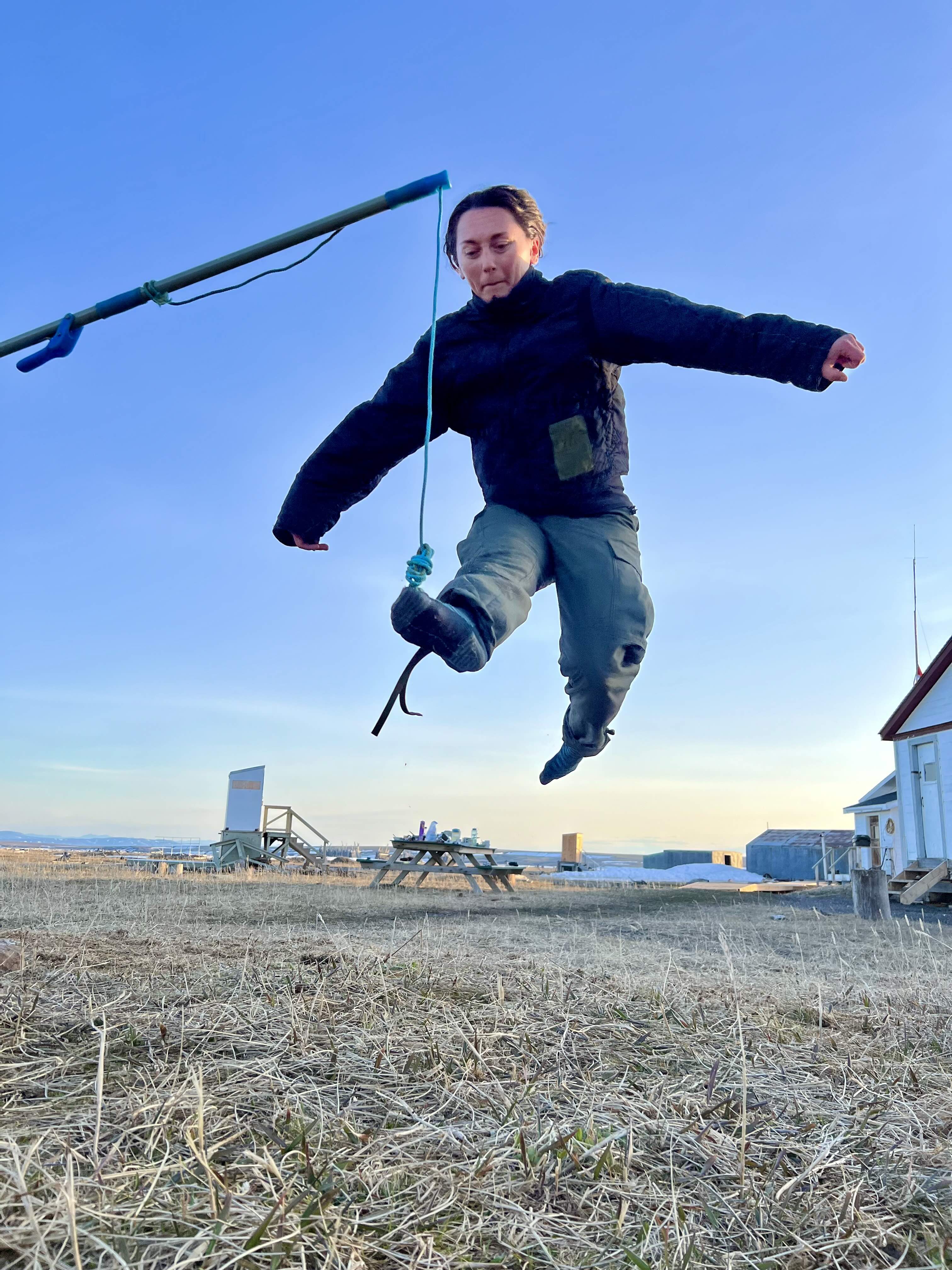
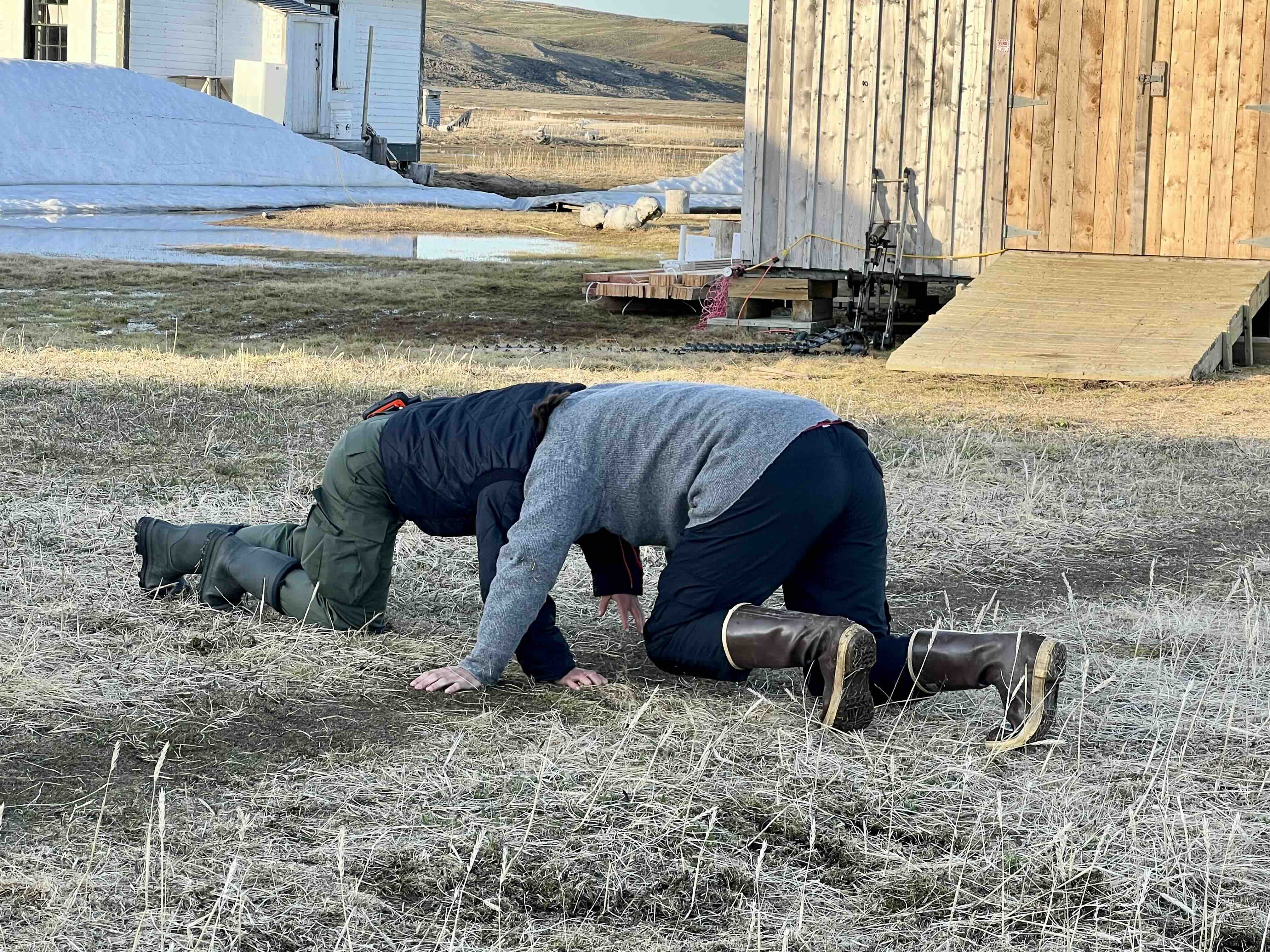
Rangers Gina and Phil and Team Shrub practicing northern games including the high kick, leg wrestling and the musk ox push on Qikiqtaruk. Photos by Isla Myers-Smith.

Chasing cargo shipments is a key part of Arctic science logistics. Our re-routed acoustic recording equipment arrived in Inuvik just in the nick of time thanks to the Grabowksi’s of Whitehorse who cargoed our package north to us! Thanks for saving the day yet again Tony and Patti! On our second trip it was an even tighter cargo arrival. At AirNorth Cargo in Inuvik, Micah only had time to say “PVC now!” before grabbing our missing PVC and running back to the Aklak hanger and jumping on the plane.

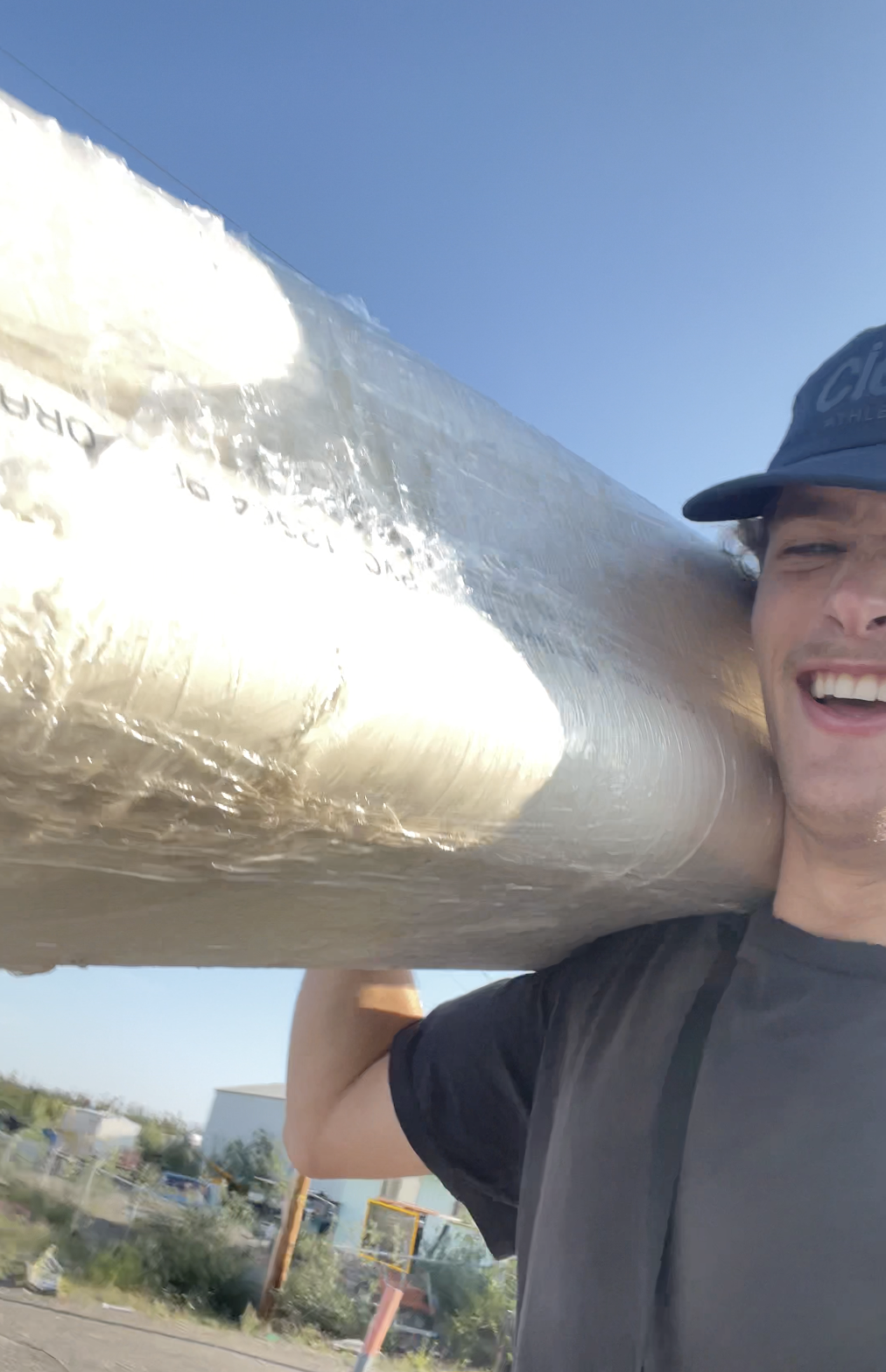
Our re-routed cargoed equipment arrives in Inuvik just in the nick of time before the charter flights. Photos by Isla Myers-Smith (left) and (Micah Eckert).

On both of our trips to the island, our time in Inuvik came to an exciting – albeit abrupt – end on when Isla informed us that there was a small possibility of flying out sooner than we were scheduled to fly. She had received word that the airstrip on Qikiqtaruk was ice-free enough for the Twin Otter to land, but only if the fog continued to hold off. This was an exciting prospect for us, because we had been discouraged by satellite imagery showing uninterrupted sea ice on all sides of the island. Having expected to depart many hours later, we still had a significant amount of packing, food purchasing, and hole drilling to do.

Packing chaos, last minute cargo deliveries and expert box packing are all a part of Arctic science logistics on Team Shrub. The final days and hours in Inuvik are usually some of the most stressful, but if you can survive that, you can survive any part of Arctic fieldwork. Photos by Isla Myers-Smith.

We scrambled to finish all of the last tasks and raced off to the airport as soon as we got confirmation that we could fly. Our crew are now seasoned experts in last minute flight logistics. In true Team Shrub style, we were in the air 20 minutes after arriving at the airport and off on our next adventure out on the icy tundra landscapes of Qikiqtaruk. On our second trip it was a similar situation as we were chasing the arrival of a big low pressure rain storm on the coast. We arrived at the airport a mere 15 min before the plane doors closed and 20 min until take off and that included the packing of the plane! Epic. No one knows Arctic Logistics better than Aklak Air!

No one knows how to pack a twin otter better that Aklak Air. They can go from the truck to the a fully loaded plane in about 15 minutes! Photo by Isla Myers-Smith.

We’re back in the Arctic or up in the mountains of the southern/central Yukon and our Arctic field logistics are over for now. Once you are all set up at your Arctic field site with all of your food, supplies and equipment and you can’t think of anything that you have forgotten, it is a wonderful feeling. 

Finally, once the bags and boxes are backed and out at the hanger all weighed for the flight and you get that call that it is time to fly. You load onto the back of the Twin Otter, taxi along the runway and then you’re airborne and your stresses fall away. Then after an hour flight and an often exciting landing on the beach airstrip, you step on Qikiqtaruk and know that you are there and the science can begin!

The first view of the island from our return flight to Qikiqtaruk after two weeks for the Arctic Crew in the Southern Yukon. To get to this point in the summer, you need to do A LOT of Arctic science logistics… Video by Isla Myers-Smith.

… that is until the end of the summer when the Arctic science logistics starts up again for the close of the season and we have to do A LOT of inventorying and repacking. Sigh.

Words by Charlotte Mittelstaedt, Isla Myers-Smith and the rest of the team.

The Arctic Crew of Team Shrub lands on the island on the 26th July 2024 as the Alfred Wegener Institute Crew leaves the island. Photo by Isla Myers-Smith.

North of 61 and standing by on channel 69

It’s been 18 days on an Arctic island and just over a month above 60°North. Team Shrub has faced every element, from sub-zero temperatures to Arctic heat, storms, bugs and wildlife. But, what brings us North? In this blog post, we will introduce you to our Team Shrub crew, give you insight into this year’s research, and bring you along on our adventures so far in the field season.

Midnight sun in Kluane. Photo by Alex Beauchemin (left). Midnight sun on Qikiqtaruk. Photo by Isla Myers-Smith (right).

As the North continues to experience a rapidly changing climate, extreme weather events are predicted to increase in frequency, fundamentally altering the lives of plants, animals and ultimately people. Team Shrub is working to understand how tundra ecosystems are responding to these changes. This summer’s research will help us figure out how the above and below-ground responses of tundra plant communities ripple across food webs to insects, birds, and mammals, and how Arctic heatwaves reshape permafrost landscapes. What will a later summer – in contrast to recent years -mean for the timing of plant and animal life here on Qikiqtaruk and down in Kluane? Only time will tell. Stay tuned to find out.

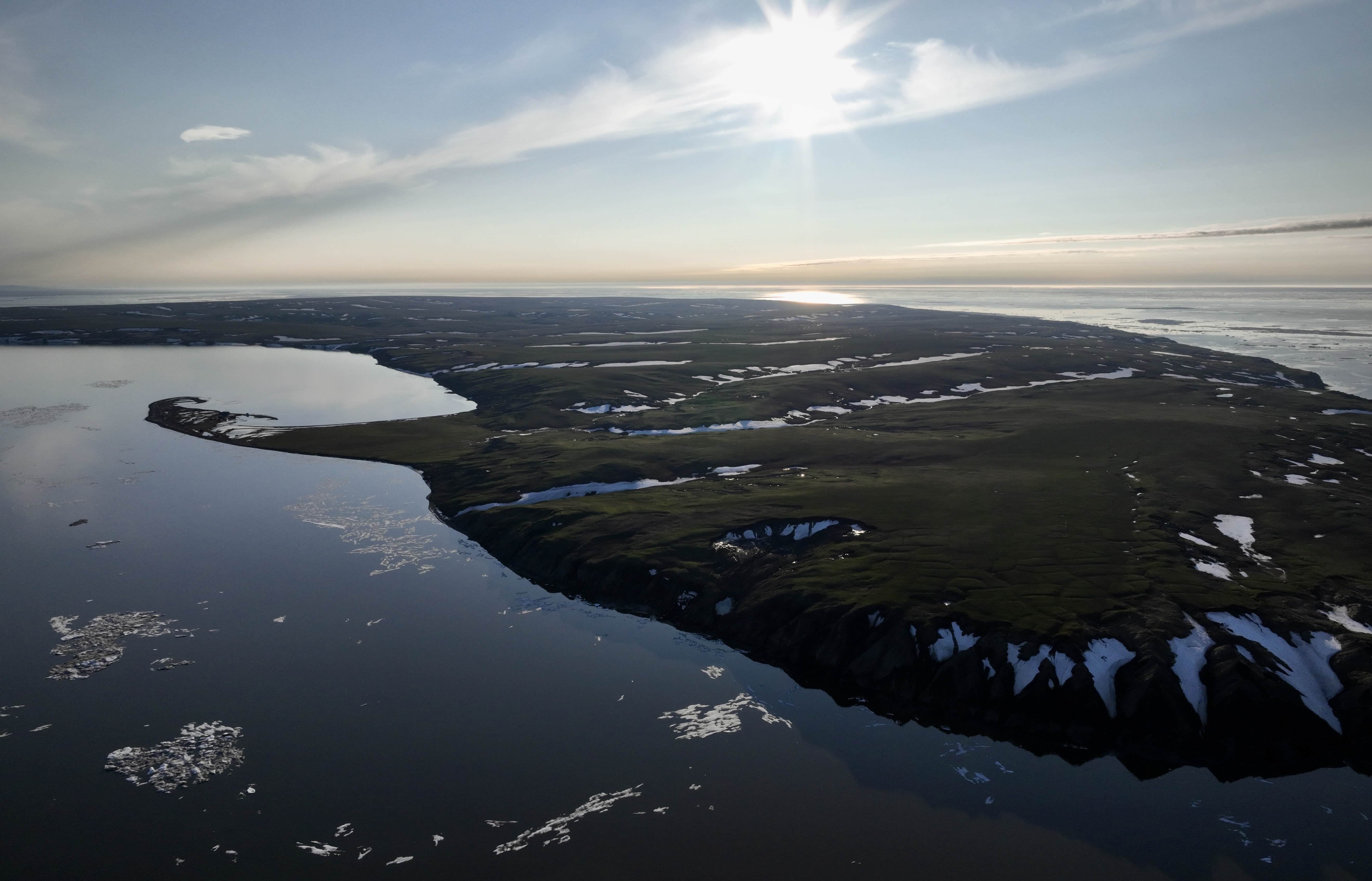
Qikiqtaruk – Herschel Island from the air on a sunny evening in late June. Photo by Ciara Norton.

This summer, we’re launching the fieldwork of the Canada Excellence Research Chair on ‘The Global Ecology of Northern Ecosystems’, continuing our work on the NERC TundraTime project, the RESILIENCE Synergy grant, the Porcupine Caribou Knowledge Hub Project, and beginning the field asset collection for National Geographic Society Funded ‘Communicating Arctic climate change impacts using immersive virtual reality’.

This past year saw the transition of Team Shrub from the University of Edinburgh to the University of British Columbia. Led by Isla, this year’s field crew consists of three undergraduate students, three recent graduates and two masters students who will join the team in July. With many in Team Shrub new to the Canadian Territories and the Arctic, the extended hours of summer daylight and cooler temperatures of Northern life are a first-in-a-lifetime experience. Once again, this year’s field crew is split between Team Southern Shrub, in the Kluane Lake Region, and Team Northern Shrub, on Qikiqtaruk – Herschel Island. 

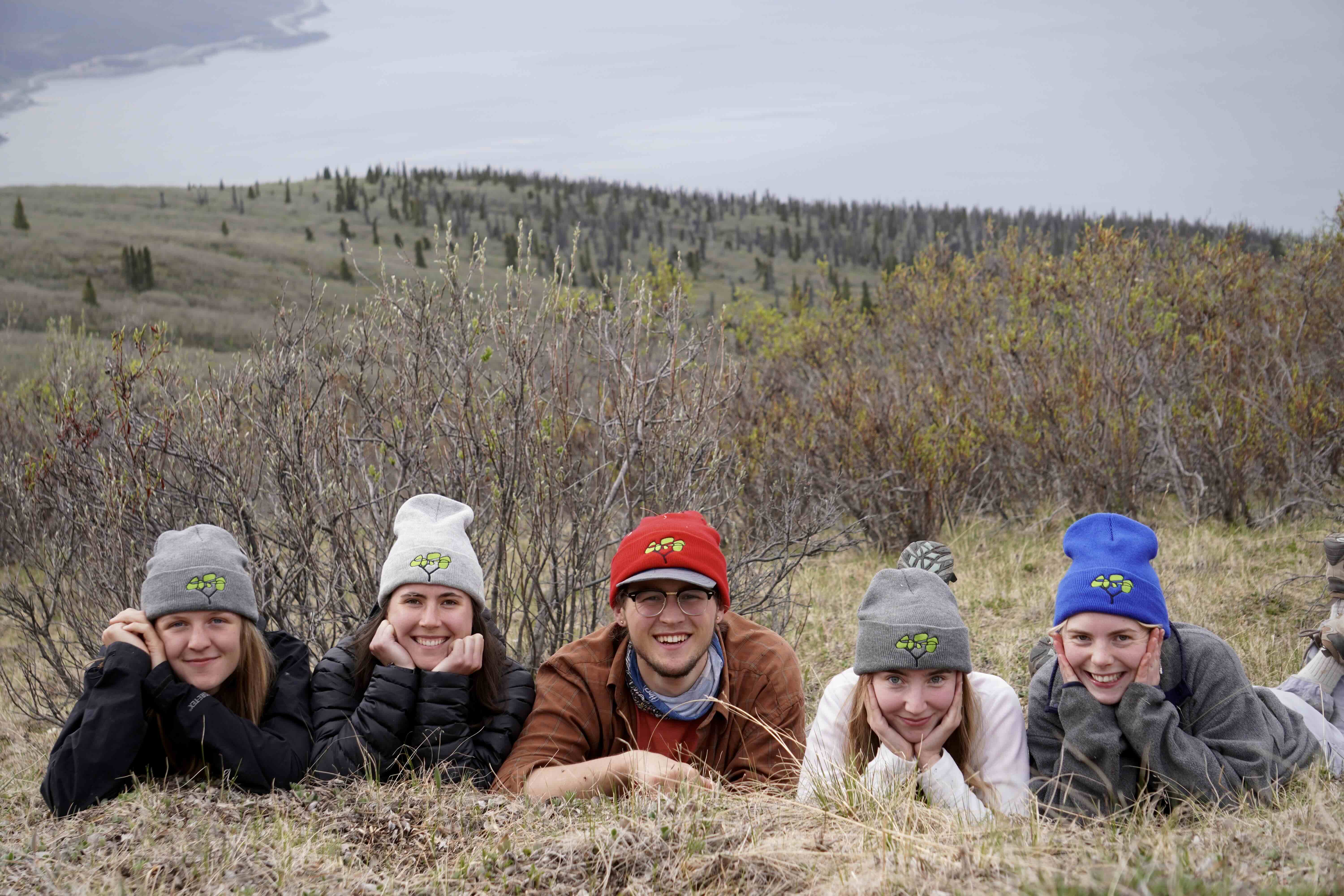
Group photo of everyone on the Kluane Plateau in early June except Alex (the photographer) and Isla (back at camp). Photo by Alex Beauchemin.

Tundra Time

Capturing tundra phenology above and below ground in a warming Tundra

This is the final field season of the Tundra Time project. This project takes place at both of our field sites on either side of the Yukon Territory. In Kluane and on Qikiqtaruk, we’ve got the phenocams all set up to measure the timing of plant growth across the summer. And, in the coming days we will be removing the first of this summer’s in-growth cores to measure the timing of root growth below ground. With two teams working at two sites, our work on this project can progress in tandem. If you want to get a sneak peak of the results of this project, check out Elise’s (Dr. Elise Gallois, that is) new preprint ‘Tundra vegetation community, not microclimate, controls asynchrony of above and belowground phenology’.

Park Rangers Gina and Phillip collecting phenology data on the long-term monitoring transect. Photo by Isla Myers-Smith.
KLUANE LAKE – Team Southern Shrub

Team Southern Shrub consists of Anya and Lauren, both recent UBC Environmental Science and Sustainability graduates. Before joining the team, Anya has three seasons of tundra field experience under her belt and Lauren has done participated in climate change research and advocacy. 

At Kluane Lake, the common garden experiment continues for an eleventh year. Common garden experiments involve collecting plant individuals from geographically differentiated populations and growing them together under shared conditions. Set up by Team Shrub in 2013, the Kluane Lake common garden is used to determine the growth rates of three key willow species driving alpine and Arctic shrubification (Arctic willow – Salix arctica, Richard’s willow – Salix richardsonii and Diamond Leaf willow – Salix pulchra) under warmer climate conditions than where their source populations were located. 

Team Shrub on the Kluane Plateau. Photo by Ciara Norton (left). Anya and Lauren on the top of the Plateau. Photo by Lauren Moody (right).

Arctic shrubs from Qikiqtaruk – Herschel Island (70°N) and alpine shrubs from the Kluane Plateau (61°N) were transplanted into the warmer environment of the Kluane Lake Region, well within the boreal forest – an environment which experiences summer temperatures 3-5ºC warmer than either source environment. The common garden helps inform predictions of shrub growth and phenology as the climate warms. Do willows grow longer and larger under warmer conditions? Or is willow growth restricted by genetic adaptation to local environments?

Willows across the growing season in the Common Garden Experiment in 2021. Video by Team Shrub.

On the Kluane Plateau, we are studying patterns of seed predation along an elevational gradient and contributing to a cross-continental study spanning the Americas. How do patterns of seed predation vary with elevation and latitude? We’re carrying out the protocols at the northernmost site in this experiment to find out. Preliminary findings confirm that seeds are eaten to a greater extent at lower latitudes, indicating greater pressures on plant reproduction towards the equator versus at higher latitudes.

The Kluane Range Mountains in the Southern Yukon. Photo by Elias Bowman.

PikARU Project

Monitoring Pika Abundance with Autonomous Recording Units

Undergraduate thesis student Charlotte will be joining the Arctic crew for the first Qikiqtaruk trip before migrating to Kluane for the remainder of the field season. New this year for the Kluane team is the PikARU Project, led by Charlotte in collaboration with the Environmental Sustainability division of the Government of Yukon. Collared pikas (Ochotona collaris) are small mammals that have been designated a species of Special Concern by COSEWIC due to their sensitivity to environmental change. 

Pikas are the inspiration for Pikachu, hence the project title “PikARU.” Shrubification may pose risks to the species because it has the potential to remove their preferred forage plants – forbs and graminoids – but the population-level response of pikas to vegetation change is unknown. Our crew will use autonomous recording units (ARUs) to study collared pikas in the Southern and Central Yukon, capturing the small mammal’s “meep”-sounding vocalizations. This will give us an idea of the abundance of pikas at each of our research sites. Could ARUs be a key tool for monitoring pika population health over time as they experience the effects of a changing environment?

A collared pika sits on a talus rock in the Southern Yukon. Photo by Cameron Eckert.

QIKIQTARUK – Team Northern Shrub

In the Arctic, it’s been a chilly start to the 2024 field season. After the exceptionally warm summer of 2023 in the western Arctic, spring of 2024 was marked by the highest June sea ice cover along the North Slope of the Yukon in over two decades. We’ve been surrounded by sea ice for the first weeks of our field season. The cooler temperatures are atypical, and spring is around three weeks later than in recent years.

The sea ice surrounding Qikiqtaruk in June. Videography by Ciara Norton.

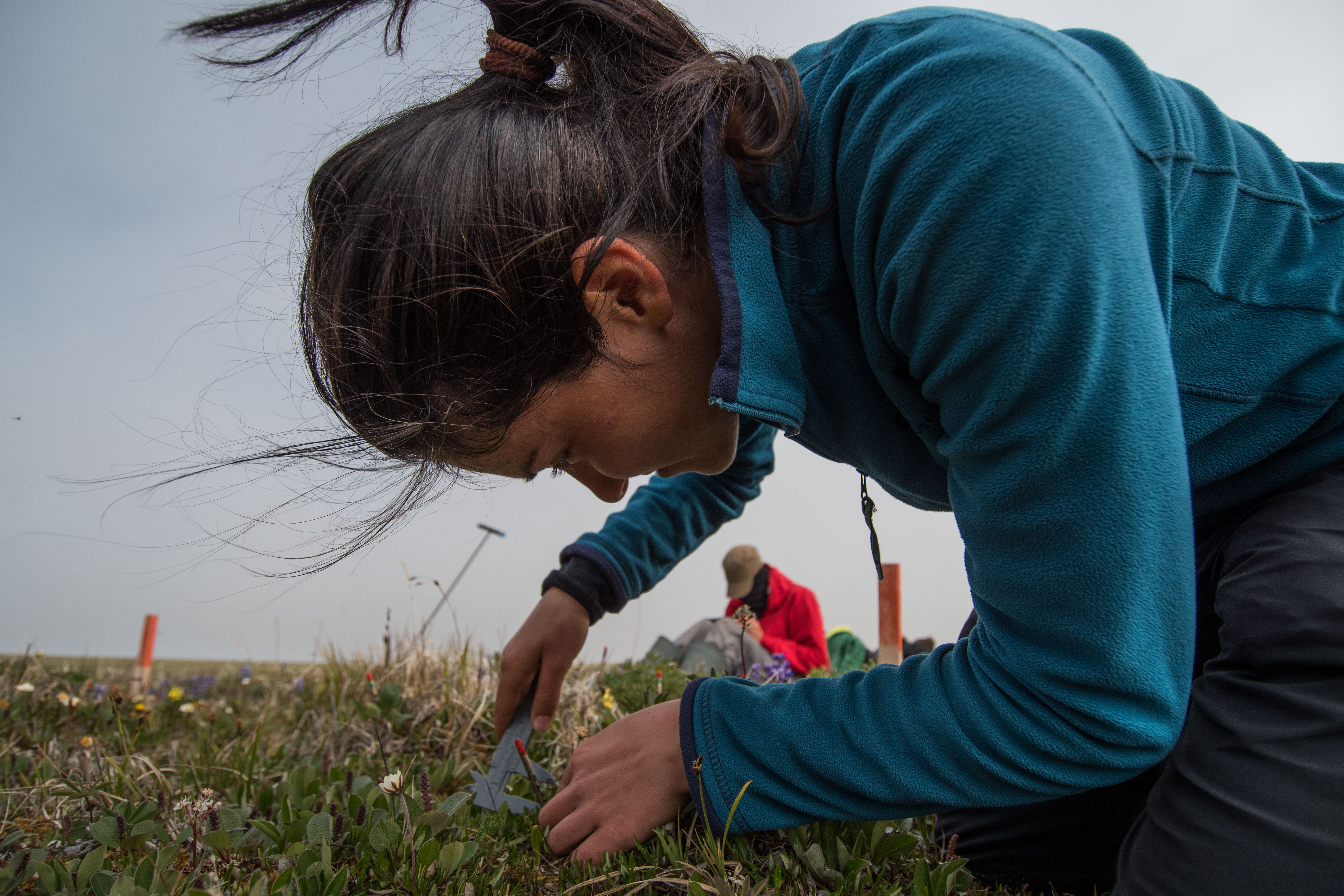
Up in the Arctic, Team Northern Shrub is continuing its monitoring of tundra plant responses to climate change. We’re using long-term plots to monitor changes to plant traits, phenology, and community structure. We’re also continuing the upkeep of our muskox-beloved phenocams. In recent days, the temperatures have warmed. The snow has been melting, the sea ice is moving offshore and summer has arrived. To keep up with the changing seasons, we’ve been running around the tundra capturing the timing of plant growth and pollinator and bird activity with wildlife cams, autonomous recording units and phenocams.

Here on Qikiqtaruk, with the delayed summer, early season plants are only just starting to flower. These Arctic gems are rare sights, often having already completed their life cycle by the time Team Shrub arrives. Being here for the very start of spring means that this year, we can capture the full summer cycles of flowering plants, pollinators and birds. Will the remainder of the growing season be pushed back due to the later spring, or will plant phenology catch up? Only time will tell.

A pollinator camera aka TURTLE, or Tetrapodal Underside Recorder-Trailcam Linkages for Ecoaccoustics, successfully installed on Qikiqtaruk. Are they muskox proof? We’ll have to wait and see. Photo by Isla Myers-Smith.

Tundra THAW Project

Tundra Terrain Hazards From Arctic Warming

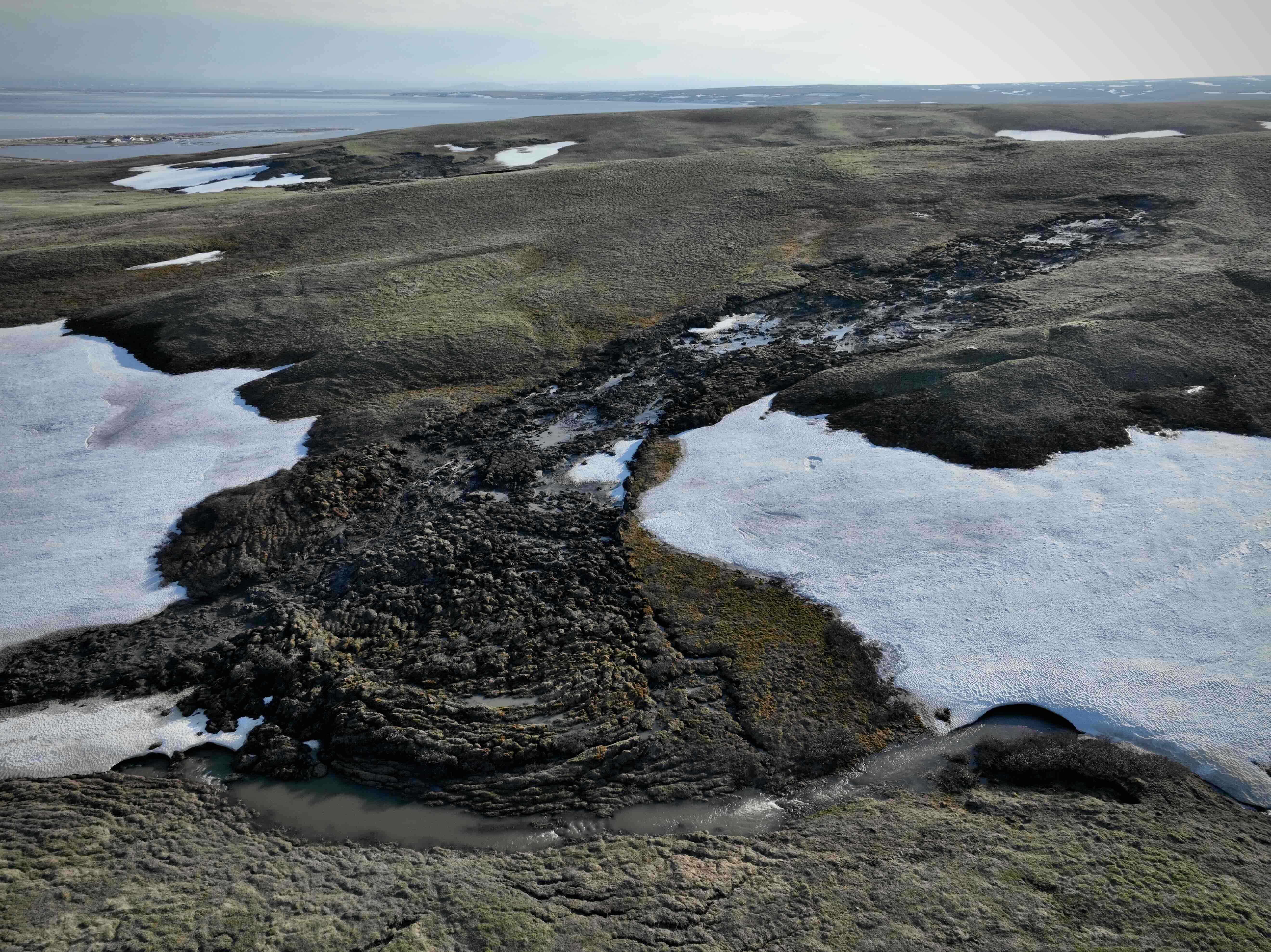
Heat events associated with climate change have led to massive disturbance events in permafrost landscapes. In July of 2023, an extreme heat event on Qikiqtaruk led to the formation of over 700 landslides across the island. These landslides are called active layer detachments (ALDs) and occur when dramatic permafrost thaw triggers the active layer of the tundra to slide downslope. These landslides have left dramatic scars on the landscape spanning across the island. 

East Gully Creek flows out into the ocean in June 2024 on Qikiqtaruk. Photo by Ciara Norton.

Qikiqtaruk is also home to one of the largest retrogressive thaw slumps (RTSs) in the world, another form of mass movement which results from permafrost degradation. The incoming research data coordinator, Ciara, is leading a project that monitors permafrost disturbance across the island, through both mapping the progression of the RTSs and ALDs over the summer and characterizing their morphologies. What drives the occurrence of active layer disturbance events, and how do active layer detachments progress over time? Will the ALDs progress into RTSs?

An Active Layer Detachment that formed in August 2023 thaws out of the snow pack in June 2024. Photo Ciara Norton.

Tundra BUZZ Project

Tundra Bumblebee Unoccupied Study of Zoophily Through Zooacoustics

Plant-pollinator interactions are a key part of Arctic food webs. Insect pollinators fertilize plants, allowing them to develop fruits and set seed. Berries feed wildlife, from migratory birds to muskoxen and caribou. Without pollinators, Arctic life would not exist in the way that we know it. 

As tundra plant phenology shifts forward under a warming Arctic, how does pollinator phenology change? Is shrubification reshaping pollinator communities? The Tundra BUZZ Project aims to uncover the workings of Arctic responses to climate change at the insect scale. Undergraduate thesis student Alex will be investigating bumblebee activity and phenology in relation to plant flowering time through the use of ecoacoustics and wildlife cameras.

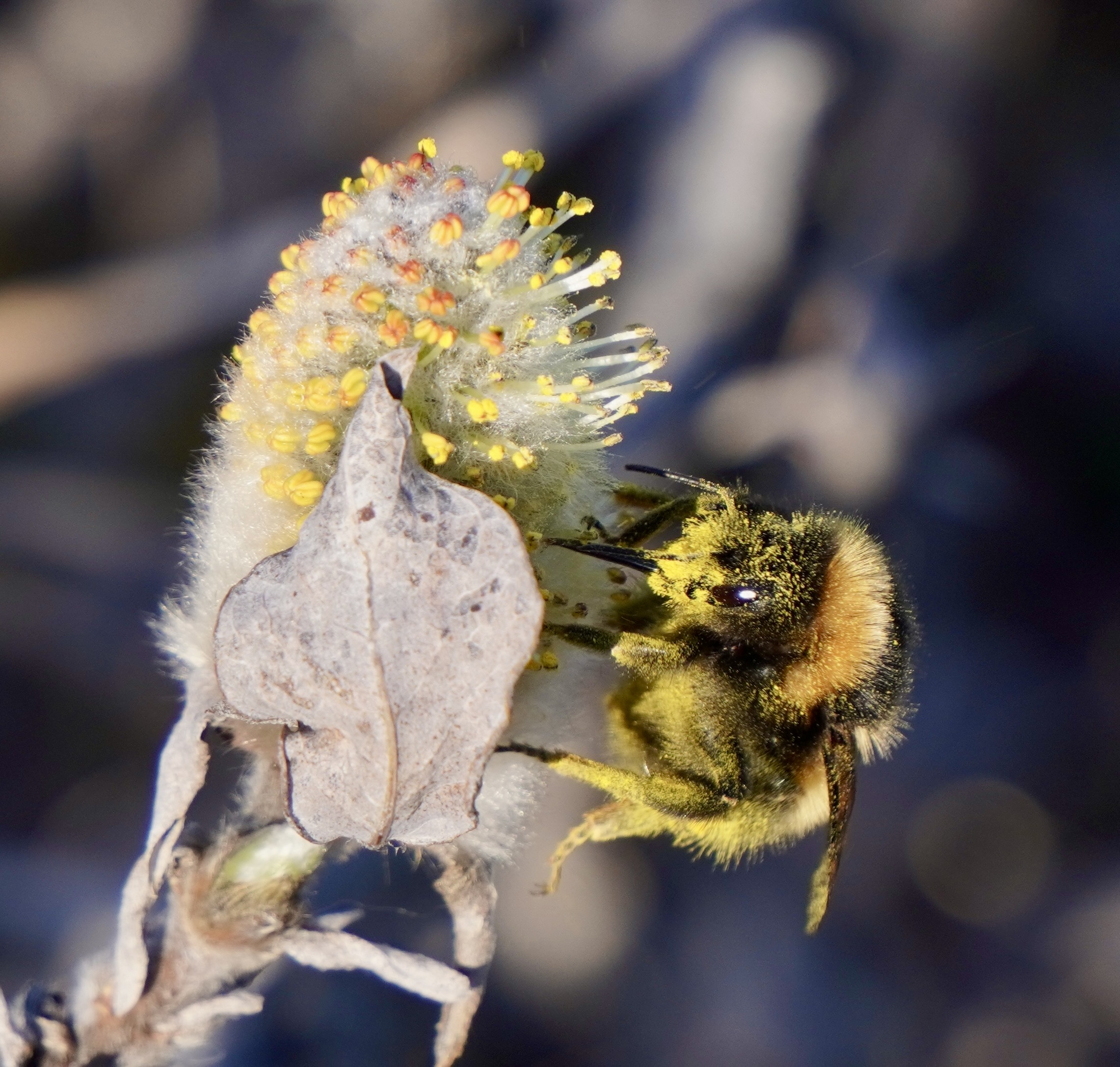
The TURTLE setup used by the Tundra BUZZ experiment and the BANQUISE Project on Qikiqtaruk (left). A bumblebee of the Arctic subgenus Alpinobombus covered in pollen from Salix richardsonii (right). Photos by Alex Beauchemin.

BANQUISE Project

Bird Abundance and Nesting on Qikiqtaruk Under Icey Seasonal Environments

Every year, birds flock to Qikiqtaruk – Herschel Island in the thousands to forage and breed. Climate change impacts which species, how many individuals and when birds are arriving and nesting on the island. Snowmelt date has been documented as a primary driver of bird and plant phenology, while sea ice dynamics also play an important role (see former Team Shrubber Meagan’s research!). 

For birds on Qikiqtaruk, every variable plays just one part in a complicated story determining their life histories. Using historic and modern records, Elias is quantifying direct and indirect impacts of environmental variables on bird abundance and nesting timing. With the addition of audio recorders and wildlife cameras to existing observations within the park, Elias will be able to tease apart how breeding birds are responding to the warming Arctic.

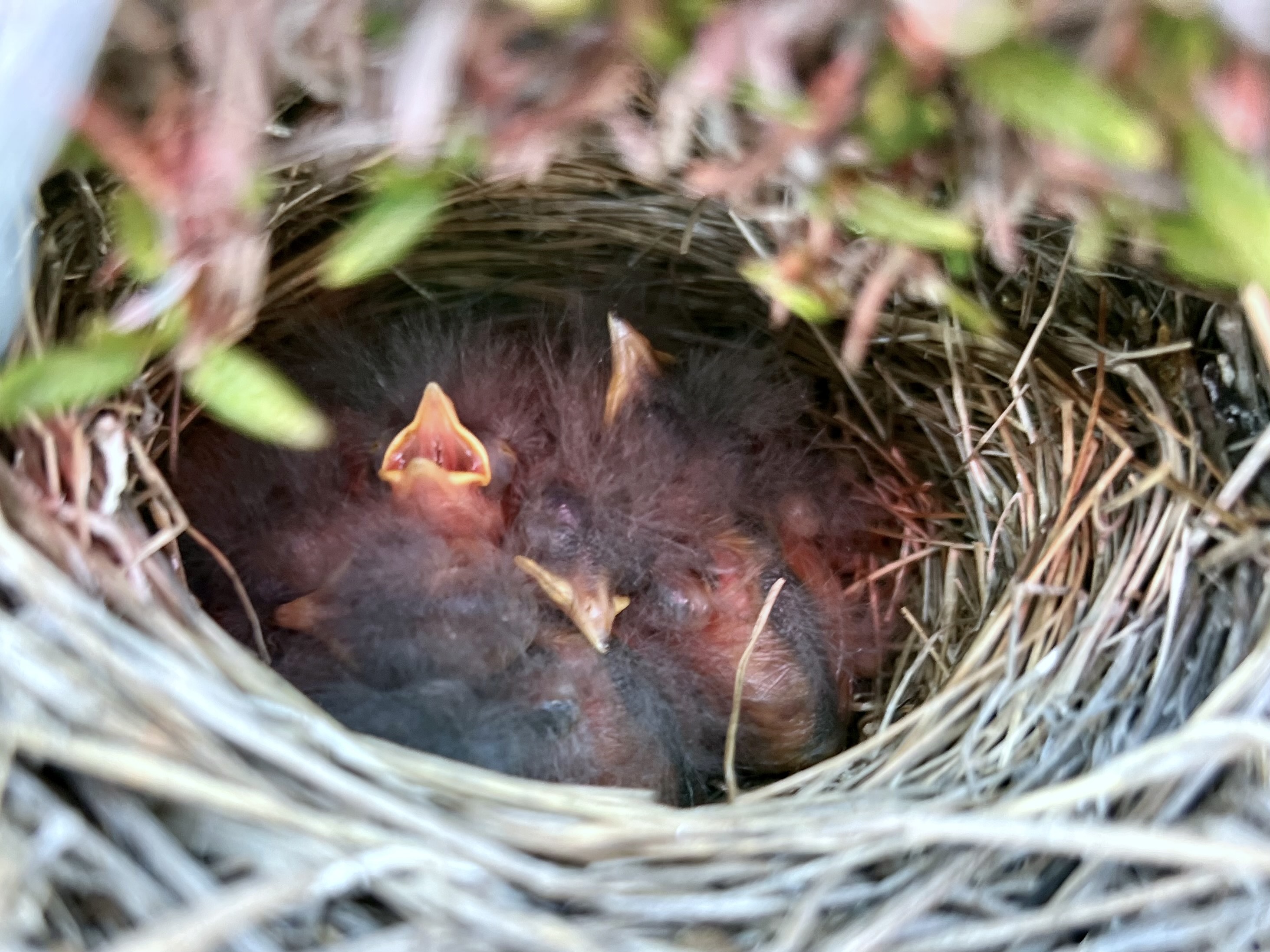
A Lapland Longspur calls in front of an audio recording TURTLE device. Photo by Elias Bowman (left). Savannah sparrow chicks in their nest on Qikiqtaruk – Herschel Island. Photo by Isla Myers-Smith (right).

Masters students Sarah and Micah will be joining the team later in the field season. Sarah will be studying drivers of borealization in Kluane while Micah will be focused on flooding on Qikiqtaruk. Stay tuned for updates on their projects later in the summer.

As we work away on our research, we will also collect imagery, video, sound and 360 visuals to capture this rapidly changing tundra environment. These assets will contribute to the next phase of our National Geographic Society funded project ‘Communicating Arctic climate change impacts using immersive virtual reality’. We’ve recently launched a website for this project, and we’re keen to figure out how best to share Arctic climate change impacts through virtual reality.

The tundra in 3D. These visuals were produced using drone data and animation as a part of the National Geographic Society Meridian Grant ‘Communicating Arctic climate change impacts using immersive virtual reality’. Visuals by Ivar Studios and the project team.

For more information on how climate change is altering Arctic and alpine ecosystems across the Yukon, keep an eye out for more Team Shrub blog posts this summer!

Signal’s House standing by on channel six nine in the Canadian Arctic.

Words by Alex, Charlotte, Elias, Ciara, Anya, Lauren and Isla

Signal’s House, our island home, from the air on a foggy day in June. Photo by Ciara Norton.

Team Shrub’s 2022 journey to the Yukon

Where does a journey begin? We haven’t had a full field season for three years. Due to a little-known virus called COVID-19 we’ve had to wait until 2022. In a sense, the journey that takes us here to this field season began many years ago. But for some, the journey only started only a few short months ago when they applied to join the team. However you look at it, this year in 2022 we are a new team together on a new adventure. 

And where are we going on this adventure? Team Shrub is spending the summer across the Yukon Territory from the Kluane Region in the south, to Tombstone in the Central Yukon up to Qikiqtaruk – Herschel Island on the Yukon North Slope. For some of us this adventure takes place in our own backyards, others have never been as far as now from their hometown. In this blog post, we’ll introduce you to the 2022 Team Shrub Field Crew and the journey that we have taken to get here – to Kluane Lake in the Yukon.

We’re a team of ten intrepid researchers hailing from the University of Edinburgh, Université de Sherbrooke and Yukon University. What brings us to the Yukon this summer is a love of plants, a fascination with the way the world works and a lack of fear of biting insects and super cold water. Together, we’re here to understand how plants respond when the climate warms, but we’re exploring that topic from all angles this summer using hyperspectral sensors, drones, time-lapse cameras, clippers and measuring tapes.

We’re trying to piece together a complex puzzle: from how individual plants respond as the climate warms, through to how plant and animal species interact with each other, up to how we can spot changing tundra landscapes from space. Across the summer, in these blog posts we’ll try to paint a picture of the systems we are studying and the things that we are finding as we battle the bugs, car troubles and belated shipments to conduct our research.

Each field season is its own journey and this field season has started with some unexpected hiccups. When we first arrived in Whitehorse and were running around town our vehicle started making a subtle beeping noise. “What is that?”, we asked ourselves, “maybe the check oil indicator”, a little while later Joe pulled me aside and said: “Isla, there is a screw poking out of our tire”. Now that we knew what the problem was – a rapidly flattening tire – we needed to figure out how to solve the problem.

After stops and calls to most of the tire stores in town we found by word of mouth ‘The Tire Guy’ who sorted us out with a fix of the flat, but also discovered that we had another problem tire. So then it was back to Canadian tire to purchase two new tires, an extra night in Whitehorse for me and a near full tire switch to get new tires on to replace the damaged ones. The vehicle still needs some other sorting out in the long-term, but for now we are back on the road for the rest of our field journey. And what a journey it should be with a crew of 10 people working at field sites across the Yukon on questions as broad as how are tundra growing seasons shifting with climate change, to what controls the growth of boreal forest shrubs or tundra shrubs growing in a boreal forest environment, to how to the traits and functions of plants vary across elevational and latitudinal gradients, through to how we can observe tundra biodiversity and greening from space.

If you ask my friends, I haven’t stopped talking about Canada since I returned to Scotland from an exchange to the University of Calgary in 2015. I’ve been stoked to get back to Canada ever since and I can’t think of a better way to do it than a field season in the mountains surrounding Kluane Lake in the Yukon! Before I could hop on a plane (or three) and make it to the field – I had to send the Team’s scientific kit ahead of me, which turned out to be more of a challenge than I was expecting.

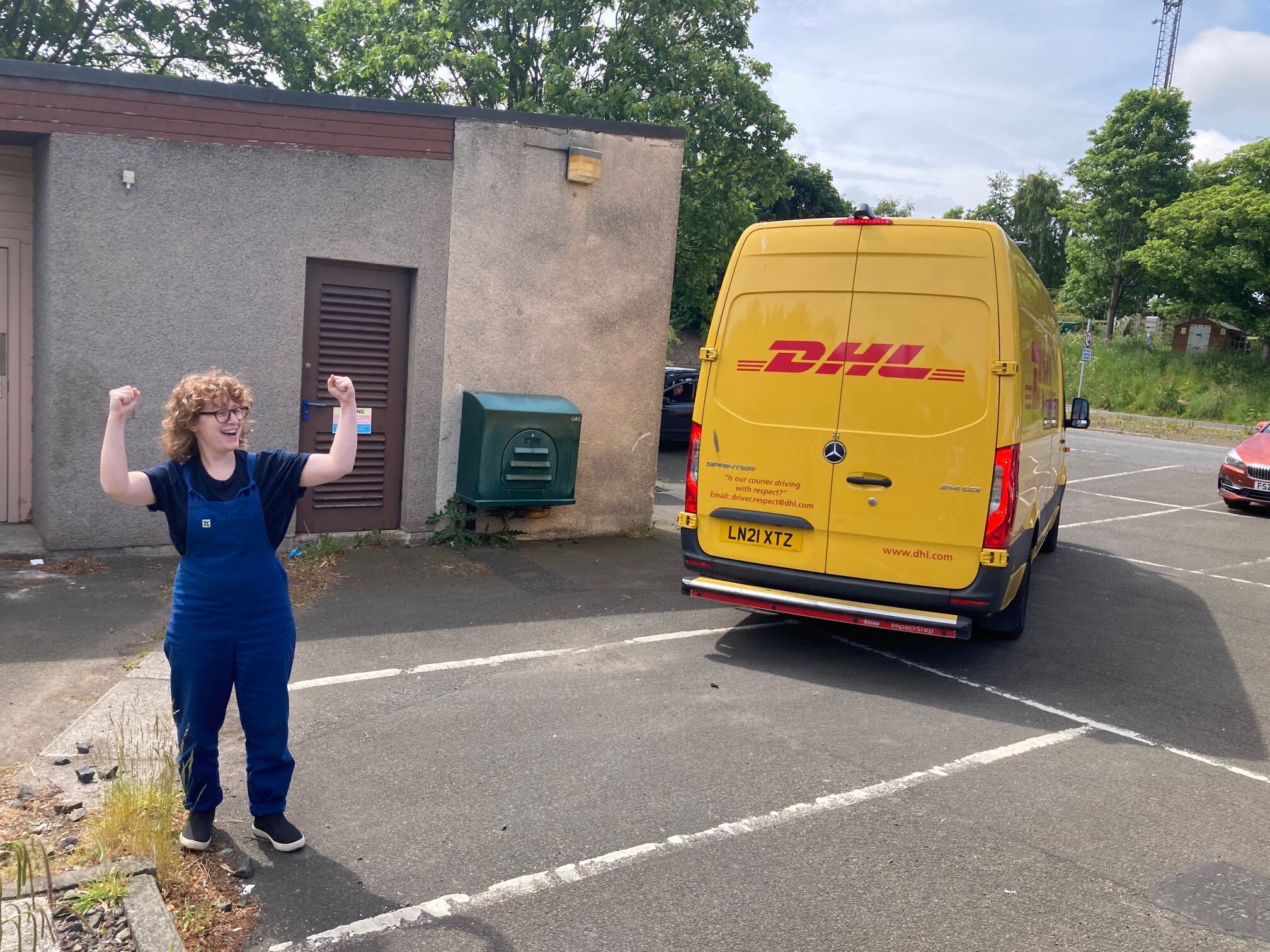
It turns out DHL is an acronym for ‘Doesn’t Handle Lithium’ and the shipment boomerang-ed back to me with ‘too many batteries’ written on all the boxes. This began a frantic lithium treasure hunt to remove the elusive and sometimes very tiny batteries that seemed to be the problem and re-ship everything before I departed Scotland. Eventually, the shipment departed – fingers crossed we see it soon! After months of writing applications for Canadian drone permits, applying for equipment loans, and dealing an array of other miscellaneous team logistics, I’m delighted I’ve finally made it to Kluane, even if all of our shipment hasn’t yet due to unknown delays. I’m feeling very at home in the mountains (even with an overly warm welcome from the mosquitoes) and can’t wait to immerse myself in Yukon research, hiking, and cold water! And I can’t wait to start flying drones over melting snow patches to better understand tundra greening seen from space.

After finishing an ecology degree in Edinburgh a few months ago, I was super excited about this scientific expedition. I have always loved spending time outside but never spent more than two months in the field. This summer I am working as field assistant for Team Shrub, which will be my first big summer field season ever! After the initial excitement of knowing that the field season was happening, I started feeling slightly nervous.

Logistics, new equipment, not knowing what to expect, and mostly, doubting my ability to do the job. Once we arrived to Vancouver, we were welcomed by beach weather and ice-cream which alleviated any leftover stress – there’s only excitement left! Spending months researching tundra plant vegetation change for my undergraduate dissertation was a great experience, but I am thrilled to finally see the ecosystem I have only read about until now! As field assistants, we are here to help with any project from Team Shrub or our collaborators. With the amount of projects to work on, we will certainly not get bored! I am also hoping to find inspiration for a Master’s project. And the best tip for fieldwork? Don’t have any expectations, go with the flow! 

My taxi driver at Vancouver airport told me that I’d have a hard time doing research because there are no plants in the Arctic. This summer, I am on a mission to prove him wrong.

This should have been the third full summer field season of my PhD – but it turns out to be the first! Out of the sleepy lull of lockdowns and travel cancellations, this summer’s field adventures have been a blast to help to organise (over the past three years)!

From trialing my field methods for the NERC-funded TundraTime Project including the above-and-below ground protocol in the snowy Cairngorms National Park, to obtaining my drone pilot licences, to organising international shipments for my collaborators, and much more, I’ve certainly been kept busy! This spring, I completed an internship with the Norwegian Institute for Nature Research in Trondheim, and from there I hopped onto a plane to the UK for a fleeting visit and to grab my thermal long-johns and bug nets. Then I flew straight to the west coast of Canada for a few weeks in Kluane which will be followed by a month up on Qikiqtaruk. I can’t wait to learn more about these wonderful places and the phenology of those tundra plants and of course to embrace my old friends mosquitoes with open arms!

Having spent multiple seasons in the Colorado Rockies, I am not a stranger to field work – but every season is different! I arrived in the Yukon late one evening in a blaze of boarding passes, oversized bags, and an 18-hour Shakira-filled playlist. I may have been the last to arrive but as lead food coordinator, my joining the team was long awaited. Organising nine weeks-worth of food across the Yukon was a challenge, but turns out if you buy enough Country Time, Ritz crackers, and Oreos, you can keep a team of 10 pretty happy.

Conversely, if you make 10 pounds of tortellini in an evening, people may never let you live it down. Despite being North American, I now live in Edinburgh and have spent very little time in Canada, but I’m delighted to finally spend some time further north amongst the spectacular scenery of Kluane and the wider Yukon. I’ve taken some measurements, made millions of to-do lists, and swatted some mosquitoes, so I feel like I’m settling into the fieldwork just fine. I’ll be deep in the forests bushwhacking to get to Boreal shrubs in no time. Hopefully by the end of the summer I’ll be closer to understanding how they respond to variations in climate.

It feels great to be back in Yukon! After spending last summer here in Kluane, the place feels very familiar! There was a bit of stress leading up to our departure, but all things considered, Clara and I had a pretty smooth journey from Sherbrooke to Whitehorse, where we met up with the rest of the team. After almost two years of chatting on Zoom, it is a relief to finally meet the Edinburgh-based Team Shrub in person. Some are taller (Joe) than expected and some are smaller (Erica), but all are 10/10.

I’m very excited to show the team around the Kluane plateau, have a team dip in the lake and explore this wonderful region together! We’ve had a lot of fun so far and I’m excited to head up north soon for my postponed first Arctic field season as a part of the Canadian Airborne Biodiversity Observatory project. With hyperspectral sensors and cameras, scanners and balances were going to test how we can use information beyond what we can see with the eye to capture the biodiversity of tundra ecosystems and the properties of tundra plants. But first, we needed to collect the first of the common garden data of the season.

My journey to the Yukon started while watching a lecture on Arctic greening and the impacts on herbivores by Isla, something clicked. I got curious and investigated vegetation change in the Porcupine caribou habitat as my dissertation topic. I read papers about climate change, shrub encroachment, caribou diets, hoping that one day I’d get the chance to see a real caribou! Luckily, a job opportunity from Team Shrub popped up: a call for field assistants for the upcoming field season in the Yukon.

I couldn’t miss the opportunity! Once I got my application sent in, I started slightly panicking. Would I be up for the task? Self-doubt became even more real when I did get the job! A huge amount of logistical prep started piling up. Applying for funding, buying equipment, writing a project proposal to collect my own data. The next few months were a blur. Suddenly there I was on my very first long-haul flight. Excitement levels were over the roof – 11/10. After a few wobbles on the way, we finally made it to Kluane Lake. I had never seen such huge mountains and I can’t wait to experience more of this incredible place – despite having to karate my way out of mosquito clouds!

Having just finished the first year of my undergrad at Université de Sherbrooke, I am the baby of this year’s Team Shrub! I’ve travelled a ton(ne) around the southern Canadian provinces, but I had been looking for an excuse to explore the Great North within the Great White North. I was astounded when the opportunity to join Team Shrub fell within my reach after only two semesters studying ecology. I can’t wait to learn tundra ecology in the field with the team!

Madi, a few too many oversized bags and I were lucky to experience smooth sailing from Sherbrooke all the way to Whitehorse. Now, I am thrilled to be helping out on some amazing projects for this summer, here in the breath-taking mountainous landscape of Kluane and then on Qikiqtaruk later this summer. I couldn’t have asked for a more exciting first field season! Here to more bonfires on the beach.

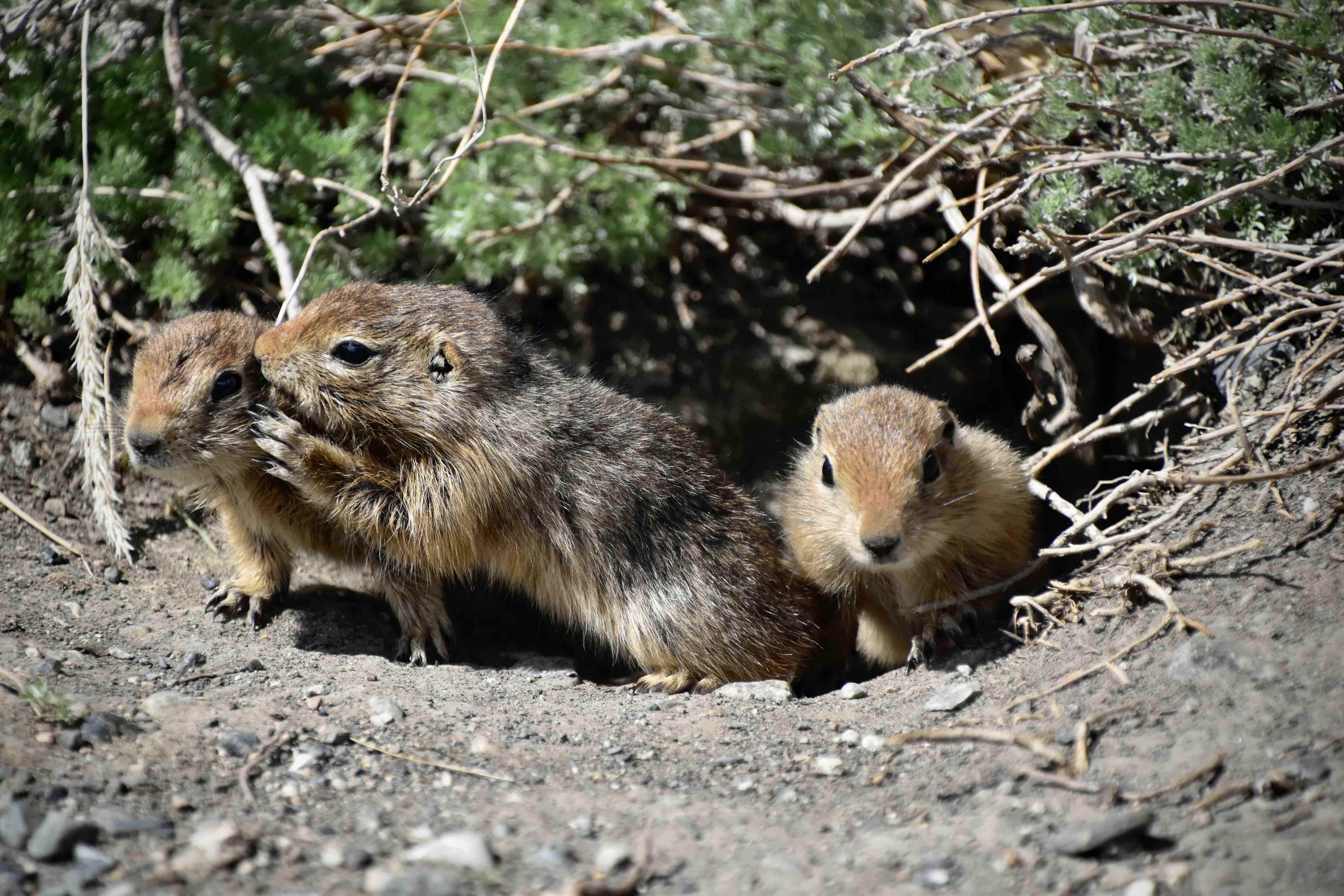
The mountains of North Western Canada have long been a draw and the opportunity to spend a PhD summer working there was an opportunity far too good to pass up. I dove into the organisation and spent a spring swimming in permits, logistics and admin for far flung lands. After all of this anticipation and excitement, we’ve made it to the Yukon and are all settled in, accompanied by our adorable trio of resident ground squirrels – Chipchop, Jean Jacques and Roger.

A couple of days ago, we got the chance to hike up to the alpine on the Kluane Plateau and I got to see the tundra ecosystems that I’ll be studying for the very first time. The mountains of the Kluane region are just as if not more majestic than I was imagining. Time to get measuring, drone flying and climbing some hills to figure out how the diversity of tundra ecosystems and the functions that plants provide vary up mountains and across the Yukon.

My journey officially started as a kid growing up in the Yukon with close connections to the Kluane area. From my obsession with rocks and exposure to plants and animals from my elders, I was hooked with being out on the land and this continues to this day. This summer, I have just completed my BSc in Northern Environmental and Conservation Sciences with the University of Alberta and Yukon University. My journey with Team Shrub started when an email fell into my inbox.

As a teenager, I dreamed to become a photographer for Nat Geo. This summer, I have the amazing opportunity supported by the National Geographic Society STEM field assistant program and see my home in a new capacity as a researcher! Leading up to the field season, my home served as port of arrival for many Team Shrub packages. This caused much confusion within my family: who was this mysterious Dr. Isla Myers-Smith? My photos about the state of snowmelt on the Kluane plateau allowed the team to get a general idea of what to expect. My knowledge of the Kluane region has made me a bit of a tour guide to this year’s eclectic group. I am very excited to join the Arctic crew to explore new horizons on Qikiqtaruk island this summer.

This is only the beginning of an exciting journey for Team Shrub. We hope it will be a journey of discovery, inspiration and scientific advancement. Most of us are very much out of our comfort zone, but having an amazing team helps to create the feeling of being at home in the field. There will be challenges ahead, but we are ready to tackle them!

Words and photos by Team Shrub

5 (More) Steps to Becoming an Awesome Field Assistant

Being a field assistant for the first time isn’t always easy. Following on from Izzy’s recent post, here are five more great tips from Cameron on how to be an awesome field assistant (and to have an awesome time).

1. Apply for funding

Being a field assistant costs money. In many cases you might be employed by an organisation, research group or researcher to carry out the role, in which case they will be covering your costs. However, you may be required to (or want to) provide funds yourself. But don’t fret! There are plenty of funding opportunities hidden out there for the proactive field assistant to find. Most funding requires you to submit a proposal outlining what you will be working on and how much you think it will cost. Once you have drawn up a proposal for one funding application it is easy to tailor it for others. Keep an eye on the submission deadlines and apply to as many funds as possible. In my experience, funds for undergraduates aren’t very competitive, so make use of them!

Information for funds available for University of Edinburgh Students can be found here. 

image001
Cameron fishing for funds

2. Take good equipment

When you are setting up experiments in a snowstorm, or climbing mountains before breakfast, you quickly learn to appreciate the value of good equipment. However, if you haven’t been in the field before it can be hard to figure out what sort of stuff to bring with you. For me, the most important bits of kit are good waterproofs, a decent backpack, and an excellent pair of walking boots (we had a pair fall apart this summer). If you are going to spend a lot of time in the field you should treat yourself to some nice gear. It’s totally worth the investment and good quality stuff can really improve your comfort and safety. Why not add the cost of a beautiful jacket and boots into your funding application (for health and safety reasons, of course)?


3. Ask lots of questions

“Why are we digging up old tea bags from the ground and what’s the deal with all of these dead leaves?”

Take the opportunity to learn as much as you can from the people you are working with. Asking questions and figuring out why you are doing a task can really help you get more out of your time in the field and cement knowledge learned in the classroom. You will also likely be working with people further on in their career than you. If you are thinking about a career in academia, take this chance to pick their brains about all aspects of academic life.
image007
Haydn showing us the ways of the shrub


4. Take the bad with the good

 Hopefully you will experience many great things during your time as a field assistant but you might also experience some pretty bad lows. The work can be gruelling and the days long. A healthy mentality is key to enduring the bad moments and enjoying the good. Make sure to talk to your team if you are having difficulties, and look after yourself. It really is worth it at the end.

image009
Conquer your mind and you can conquer the tundra


5. Let yourself be enchanted…

Fieldwork can take you to some truly special locations. We get to explore hidden valleys, shadowy forests, and secret little places far from any path. Please take some time, in-between sampling and recording data, to fully appreciate the wonderful environment and people around you. Not only does this add to your overall experience, it can also turn you into a passionate advocate for these incredible areas. Tell the stories of these places anyway you can, be it on Facebook, in prose, or down the pub. The more people know about your field site, the less likely it will fade into obscurity and be lost.

image011
Soaking up the view

By Cameron

Team Shrub – 2017 in Review

It was a big year for Team Shrub in 2017.

Like an Arctic willow in the tundra sunshine, we soaked up the beautiful rays of knowledge and delved further into the active layer of understanding. We grew taller and bushier as new members joined the team, and branched out into new areas of research. We bore fluffy research paper catkins, for our ideas and findings to be spread on the breeze of scientific discovery, and we put down new roots, to support, work with and learn from others in the future. And, of course, we had a thoroughly enjoyable time doing it all.
So as we look forward to all that 2018 brings, we are taking some time to revisit the year gone by, our favourite blog posts, and just how far we came in 2017.

Looking ahead: After a politically turbulent 2016, who could know what 2017 would hold? We spent the start of the year looking ahead with some trepidation, some anticipation and a good dose of excitement.

Decomposition in the cold. We kicked of a busy year as Haydn and Isla headed on a tour of Denmark and Sweden to attend the Oikos symposium on Decomposition in Cold Biomes (https://globalsoilbiodiversity.org/content/oikos-satellite-symposium). It was appropriate as the temperatures had dropped that week and it was quite snowy and chilly in beautiful Lund, Sweden as we chatted about cold-weather decomposition while cosy inside.

IMG_6262.jpg
Taking a tea break in Umeä

To Aberdeen. In March, it was our first Team Shrub trip to Aberdeen. We had a beach coding holiday and attended the Scottish Ecology, Environment and Conservation conference with Gergana, Haydn and Sandra presenting. We teamed up with Francesca Mancini from the Aberdeen Study Group to lead a coding workshop on efficiently analysing and visualising big-ish data in ecology.

17820161_10158791212870001_2027552931_o
Jumping for joy at the thought of more coding!

Glimpses of our future? By April, we had a wee glimpse into what 2017 might have in store for us through a traditional Bulgarian pastry dish with our fortunes inside!

Tundra Greening and Browning. Also in April, After a lab trip to Durham, Haydn’s home town, to talk permafrost for a day at Durham University. Andy and Isla went to the home of the Crucible, the land of snooker, the (real) region of Robin Hood, and the heartland of the only English football team named after a day of the week. (Also the home of the Arctic Monkeys – who incidentally haven’t spent much time in the Arctic). If you haven’t guessed yet, we went to the town of Sheffield for the ‘Arctic Browning Workshop’. The Arctic is warming and satellites have shown a fair bit of greening, but recent evidence suggests a decrease in the rates of increasing greenness at high latitudes and some browning events. The theme of the workshop was exploring that Arctic browning and what might be causing it.

A trip to the Highlands. Also in April and before the field season, Team Shrub headed to the highlands to show our visiting scholar Jeff Kerby and our summer drone pilot Will Palmer the beautiful countryside in our own backyard.

Traits. In June, Haydn, Anne and Isla headed the deep South of the UK to almost tropical temperatures at the University of Exeter. We were at the New Phytologist 39th Symposium on Trait covariation. Whether in the symposium sessions or out on Dartmoor, we had a great time pondering plant traits from the tropics to the tundra.

Highlands
Team Shrub strike out across the Highlands.

The Field Season. Suddenly it was the field season. Team Shrub divided into two teams: Team Drone and Team Kluane to concurrently conduct our data collection on either end of the Yukon. From drones, tea bags, phenology, stories, sounds, smells, feasts, birding, to reunions many adventures were had and a ton of data was collected. We managed to capture over 100,000 images or more than two TB of data with our drones, to dig out over 300 tea bags from the ground, and to fill several field books or iPad spreadsheets with numbers and notes. It was a productive period and we are still working away on processing the data.

DSCN2097
Team Shrub together at last!

New beginnings. This September marked the start of Mariana’s and Gergana’s PhD research. Mariana is modelling how plant species distributions will shift under climate change at two extreme biomes – the tundra and the savannah. Gergana is quantifying the effects of land use change on global and local patterns of species richness, abundance and composition. Sam, Claudia and Matt have joined Team Shrub for their honours dissertations. The data presents will soon be rolling as new student projects come together and our first three Team Shrub PhD students finalise their dissertations over the coming months.

IMG_20170911_190446
First day of being a PhD student for Mariana and Gergana!

Coding. Coding Club celebrated its first birthday! Coding is a big part of our work on Team Shrub, we use coding in our research, teaching, our lives in general… where would we be without it. Perhaps a bit less constantly frustrated, but also without those moments of glory when everything runs error free! We even made up a fictional journal for the Conservation Science course that Isla organises and Gergana and Mariana are tutors on. You can find out more about AQMCS (Advanced quantitative methods in conservation science) here – Same data – different results? ConSci 2017 introduces AQMCS!

Conservation in the Cairngorms. In early October, members of Team Shrub took our annual pilgrimage up to the highlands of Scotland for the weekend fieldtrip on the Conservation Science course. With all sorts of weather, mountains, drones, delicious cake and an epic music jam, fun was had by all!

IMG_8041
Learning about conservation in a majestic landscape

Biodiversity, the New North and the science/policy interface. Also in the month of October, along with keen undergraduates from the Conservation Science course, we went along to the Spotlight on Scotland’s Biodiversity conference. For the undergraduates involved, it was their first ever conference. It was pretty inspiring to see the next generation of conservation scientists getting the opportunity to talk with the Scottish experts in the field. A few weeks later in November, we headed to the “Scotland and the New North” policy forum, where Isla got to hold the door for Nicola Sturgeon! A new focus looking Northward for Scotland could mean new things for Team Shrub research in future.

IMG_3391
What will Scotland’s new focus northward mean for Team Shrub?

Also in November, Mariana attended two  policy-related events: the EEB Changing Landscapes conference in Edinburgh and the BES “Understanding science policy in Scotland“ workshop in Stirling. The first was a high-level event where major conservation organisations discussed the future of nature in Europe; while the second zoomed into Scotland to understand how science can feed into the policy-making process.

Writing. In November, Team Shrub had our first official writing retreat. We have been talking about having a writing retreat for years and finally things came together with a chance to focus on our writing goals, away from distractions. We were so inspired that we are planning on having a residential writing retreat sometime in the Spring of 2018 – where we can go from one day of super high productivity to hopefully a long weekend.

Dual Conferences. In December, Team Shrub headed to two big conferences happening at the same time! You can read about our parallel conferences experiences here. At Ecology Across Borders in Ghent, Belgium, Anne, Mariana and Gergana joined over 1500 ecologists to take in lots of exciting science, go to workshops, meet new people or catch up with old friends. Gergana and Anne gave talks, in sessions happening at the same time!

At Ecology Across Borders, we also led a Coding Club workshop, titled “Transferring quantitative skills among ecologists”. We shared our approach to teaching coding to keen participants from the conference. All of our workshop materials are online: Transferring quantitative skills among scientistsYou can also check out the Coding Club website to find all of our tutorials as well as information on how you can join our team and organise workshops at your home institution.

The other half of Team Shrub, Isla, Sandra, Haydn, Jakob, Andy and Jeff went to Quebec in Canada for the penultimate ArcticNet meeting – Arctic Change 2017. You can check out the daily round-up blog posts about the conference here – day 1day 2, day 3 and days 4 and 5. A pinnacle moment for Team Shrub was Haydn and Jakob winning the top two prizes from the conference elevator pitch contest!

Rejections. When we drafted our goals for 2017, we also set out our rejection goals. The idea behind rejection goals is that if we never get rejected, then maybe we aren’t aiming high enough. We decided to collectively aim for 50 rejections. So how did we do? We counted 23 rejections out of our goal of 50. Now perhaps we didn’t manage to count every single rejection this year, some of them we would rather just forget, but can we count the fact that we didn’t achieve our rejections as one additional fail?  Then technically we are at 24 out of 50?

Team_Drone
Team Drone on Qikiqtaruk – Herschel Island in the Northern Yukon.

Team_Kluane
Team Kluane at Outpost Station in the Southern Yukon.

Outreach. At Our Dynamic Earth, we shared the excitement of using drones for science. At the Edinburgh Science Festival, we explored art as a way to communicate science. We put together the photography exhibit “Arctic from Above” and developed collaborations with Simon SloanArchie Crofton to explore how art and data interface and ASCUS looking at tundra shrubs as time machines. Then at Curiosity forest, part of Explorathon 2017, we used drone simulators and cool dendrochronology samples to learn about how to study Arctic change.

There were also many jolly meals and trips to the pub. Many heated debates as we discussed science in lab meeting or over lunch. There were many moments of coding frustration followed by a sense of achievement as we worked through our scientific goals.

Team Shrub Lab Meeting 2
One of many lab meetings!

So those were some of the Adventures for Team Shrub in 2017.

What will 2018 hold? We already have some exciting things to share with you over the coming months, and many more in the pipeline. Hopefully we will also have some fantastically fluffy catkins this year: keep your eye on the breeze.

So from all on Team Shrub, a very happy new year and we look forward to sharing with you, working with you, and learning from you in the year to come.

By Gergana, Isla and Haydn

Shrub surveillance

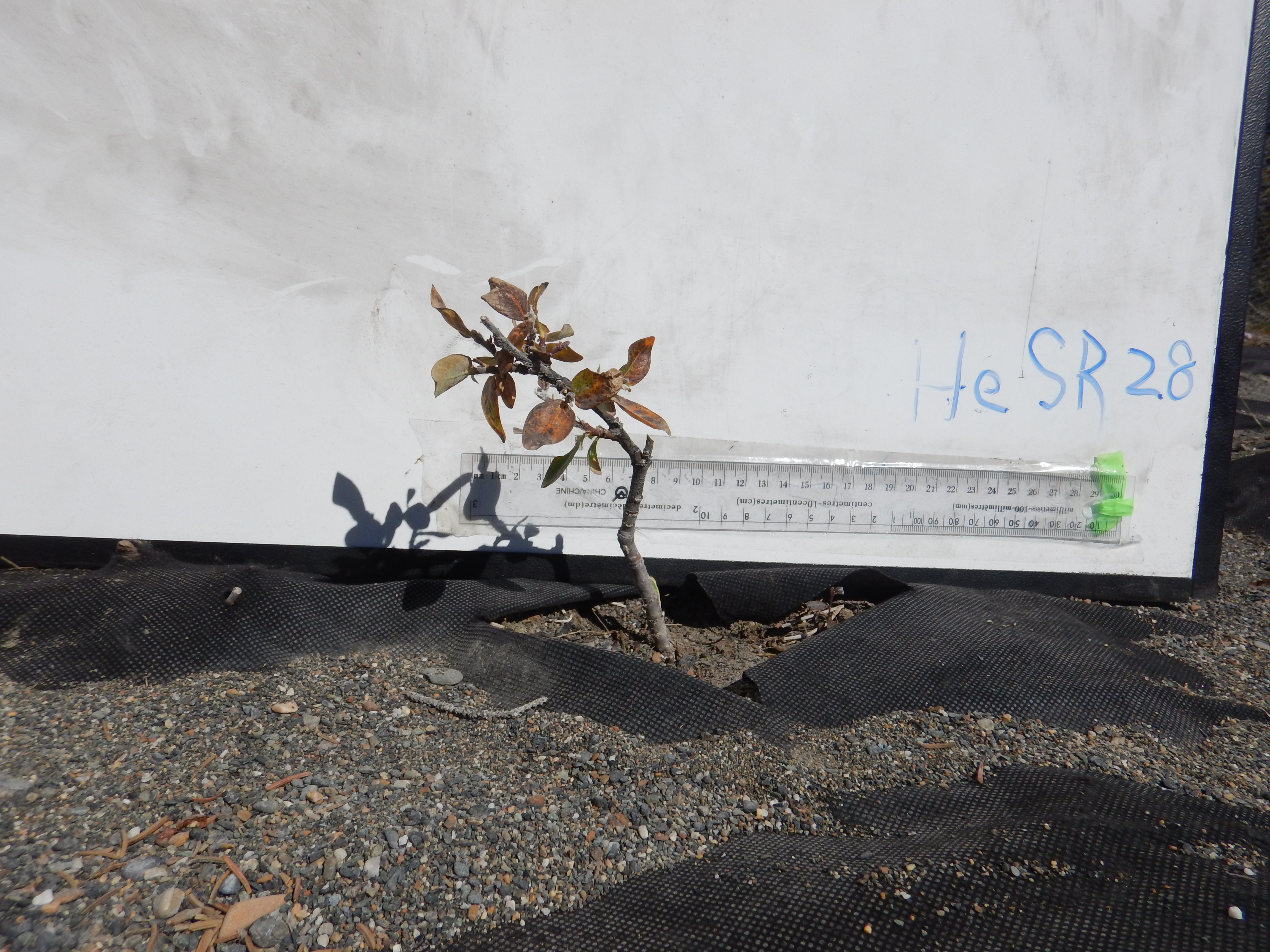
One of my first tasks as the Kluane Research Assistant was to set up phenocams in the common garden experiment. Phenocams, or more generally time lapse cameras, take pictures every hour to create a video of what has happened over time. Differences in the timing of life events (phenology) – things like when leaves appear or die – are probably one of the biggest drivers of the difference in growth we are seeing between willow populations. With phenocams we can now track this throughout the whole year!

IMG_4470
Posts awaiting phenocams

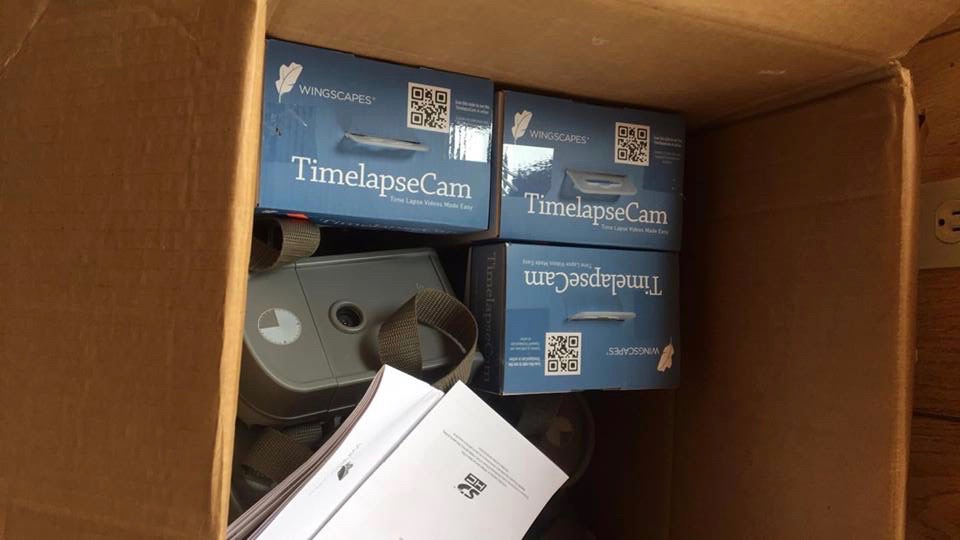
My first step was to unbox them, which, I have to say was the most time consuming! I was to put up 12 cameras around the garden to monitor certain plots, with another one going to be put in a tree to get an aerial view.

pasted-image-18

After all was unboxed, it was time for the set-up. The instructions were very clear and allowed for the cameras to be customized to our liking. I inputted the time and date and chose the name for each camera. This information will be displayed at the bottom of each picture when the whole video comes together. Being able to name each camera makes it very easy to differentiate between each camera, especially when we have so many! 

Once the set-ups for all cameras was complete, I headed over to the common garden to put them up. Team Drone, who stopped in Kluane earlier this summer, thankfully put up the posts where I was to attach the cameras. At first I wasn’t too sure how I’d be able to set them up but thankfully each camera came with a connecting band and clasp that I found was long and strong enough to attach each camera securely. The outcome looks pretty good and hopefully the final resulting images will too!

pasted-image-12.jpeg
Shrubs under 24 hour surveillance

By Izzy

Our phenocams were purchased thanks to a Dudley Stamp Memorial Award from the Royal Geographical Society (with IBG).

Phenology Today

Phenology Today
A semi-weekly periodical about the reproductive lives and growth of tundra plants on Qikiqtaruk – Herschel Island.

DSC_0145.jpg
The pretty white petals of Dryas integrifolia or mountain avens.

A lone white petal on a Dryas (mountain avens) flower resists today’s wind, keeping its status as the last remaining open flower in our phenology plots. An increasing trend of flower seed heads, made up of intricately twisting filaments, can be observed across all sites. Arctic willows continue to grow, but no seed catkins have open yet to reveal their fluffy seed.

The breeze stirs up the gossip among the grasses: who is reproducing, when and where? What will today bring for phenology on Qikiqtaruk? Providing you with all the latest updates on flower blooming, plant growth, seed dispersal and all things phenology, this is Phenology Today!

On the 5th July 70 Dryas flowers fill a single 1x1m plot. Eleven days later, only 4 remain. Summer comes and goes quickly in the Arctic. By the time this news reaches you, there might not be any white Dryas blossoms left – all replaced by twisting seed heads. No seed heads have unfurled so far, and we have yet to record Dryas seed dispersal. But certainly, with the inevitable passing of time, dispersal will happen.  After all, winter is coming…

DSCN1568
The elegant twisting filaments of Dryas integrifolia or mountain avens.

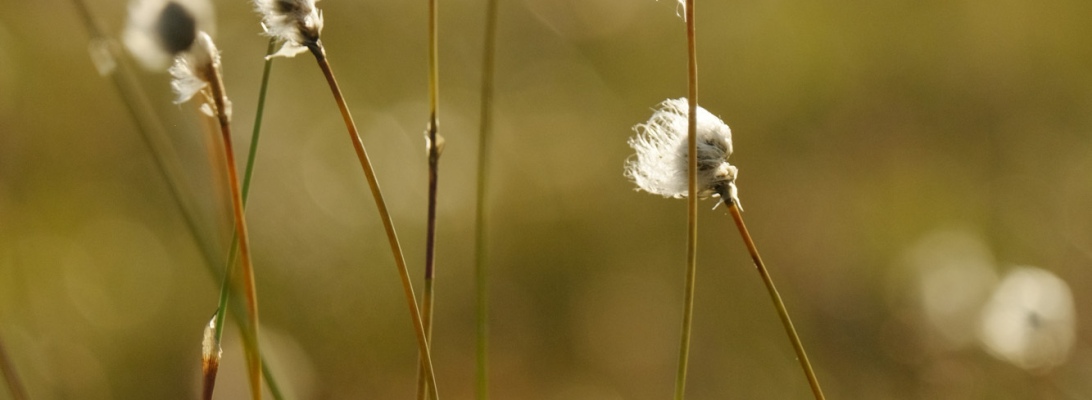
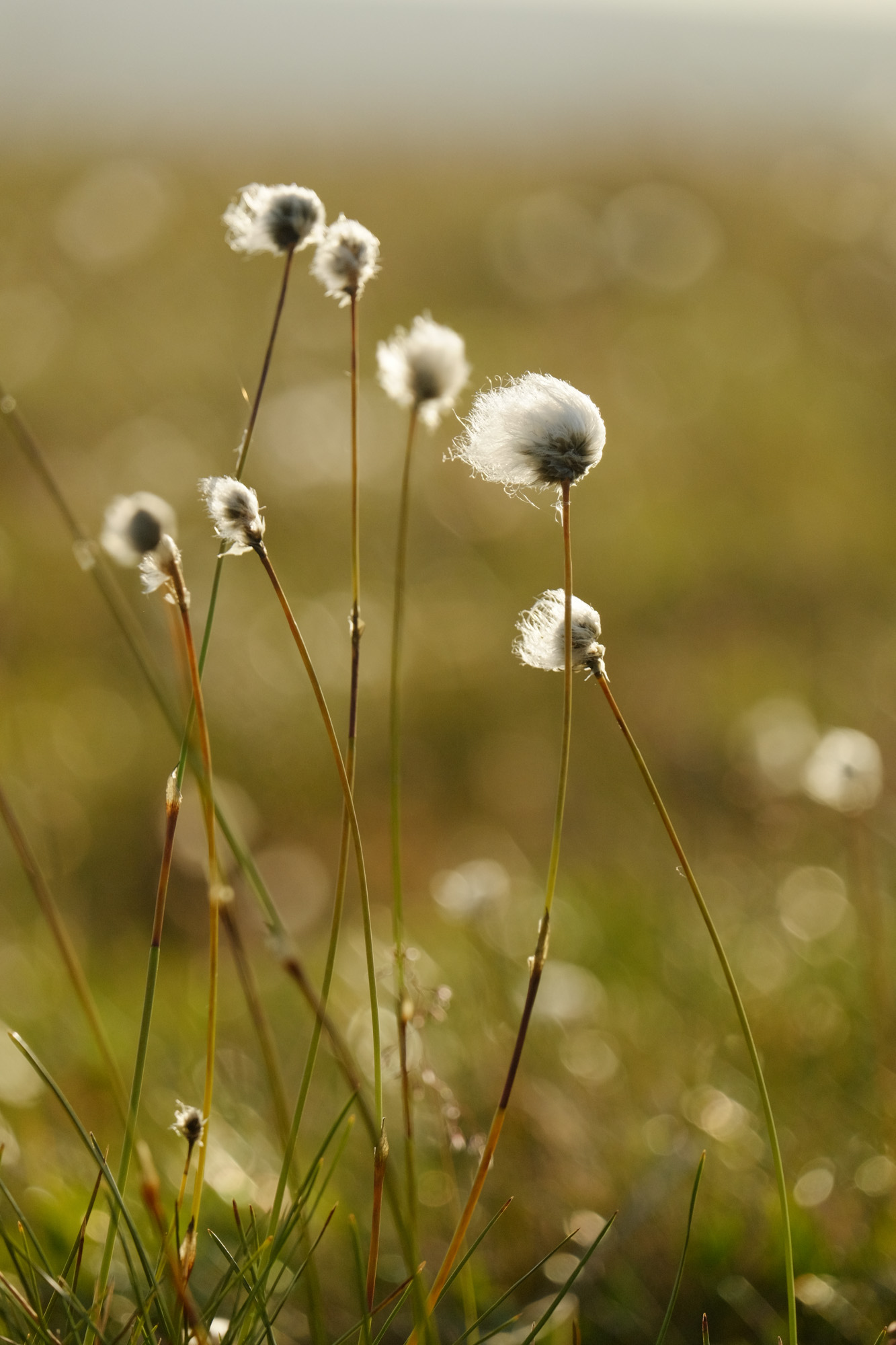
Isla’s arrival marks the resolution of a month-long quest to quantify the level of fluffiness of Eriophorum (cottongrass) flowers. Precisely when does fluffiness start to decrease? It will signify the end, the end of the flowering period and beginning of seed dispersal. Gergana and Isla have visited all phenology plots, and in a shocking twist of events, we now report that some flowers are fluffier than initially perceived by Gergana. More seed dispersal is bound to happen soon. Until then, we shall be standing by continuing to measure leaf length, waiting for the incessant winds to start carrying off Eriophorum seeds.

Eriophorum
The fluffy flowers of Eriophorum vaginatum also known as cottongrass.

How high will the grass species, Arctagrostis latifolia, grow? We visit twice a week, reveal ing a whooping maximum height of 43.1cm so far this year! That’s tall!  There is pollen visible on some flowers, but for now grass seed dispersal seems to be a distant future that we can only but imagine.

Around this time last year Team Shrub was wishing upon willow flowers to bring good weather to both blow away the mosquitos and hasten the arrival of the second half of our crew. Today, very few willow catkins have released their fluffy seeds into the wind in the phenology plots, hindering wish making. The willows are still steadily growing though, surprising us with larger and larger lengths of new stem growth.  How much will they grow this year? Only time can tell.

IMG_6069
The sturdy Salix arctica (arctic willow) flower dispersing seeds.

Thanks to a team effort in eating small pots of yoghurts, we have successfully manufactured new radiation shields for the iButtons on the phenology plots. What can temperature sensors, ground observations and drones tell us about phenological changes? Check out the ShrubTundra project to find out more.

This is Team Drone reporting for Phenology Today from Qikiqtaruk – Herschel Island. And remember, you heard it here first.

By Gergana and Isla

The turning of the seasons

It’s a hot day. The sun is beating down on the damp ground, freshly cleared of melted snow, and beneath the wet surface the ice begins to retreat.

Nothing too unusual, except that it’s the middle of April, and our field site is an island off the Arctic coast of Canada. Thirty years or so previously things would still have been buried under a thick blanket of winter snow, but as the Arctic heats up, spring is advancing.

DSCN4367.JPG
Springtime in the great white north

One of the big questions we are trying to answer is how an earlier spring alters tundra plants. Are they flowering earlier? Does that mean growing seasons are longer? What about different species, do some do better than others? Are there knock-on effects for pollinators, birds, caribou? Can we predict how things will change in the future?

All big questions, all with big consequences for the shape and colour, the sights and smells, the ebb and flow of life for plants, animals and people alike in these cold northern lands. We are faced with one big problem though: come the spring, there’s no-one yet around to measure anything.

But, to butcher a quote, we have a cunning plan. Three, in fact.

1. Eyes in the sky

While we may still be enjoying the cherry blossom on the Meadows and the blustery showers blowing in from the North Sea in April, our field sites are still being watched from above. Satellites give us a great deal of information, all year round, that we can use to track the timing of life (phenology) across the Arctic.

QHI 2017-07-07 TERRA True Colour Composite
Qikiqtaruk locked up in sea ice this spring

One approach is to use the ‘normalised difference vegetation index’ (or NDVI for short) to measure the ‘greenness’ of the landscape as the spring unfolds. That works well enough, but the resolution is coarse, and clouds are causing a lot of trouble (no data) particularly in the cloudy summers of the Arctic.

Part of our research aims to link satellite data with ground-based observations. We do this using drones to collect high-resolution imagery and NDVI measurements at the landscape level: ‘bridging the gap’ between coarse resolution images from space, and very detailed monitoring data from small-scale vegetation plots. This way we get a much better understanding of what is going on when we’re not at our field sites, and at all the other places around the Arctic we will never get the chance to visit.

Will_flying_drone
Bridging the gap

2. Boots on the ground

One of our local breweries has recently started a series called ‘Advancement Through Collaboration‘, teaming up all sorts of different groups to create something new. We try to take the same approach to our own science, whether it is sharing data and ideas with other Arctic researchers around the world, or creating artwork out of shrub rings.

When it comes to phenology, we are incredibly lucky to be able to collaborate with Yukon Parks rangers on Qikiqtaruk – folks who not only welcome us to their lands each summer, but provide insight into the changes in the tundra in ways we never could. Three times each week from late April to early September, every year since 2001, the rangers make the half an hour hike up to sets of long-term monitoring plots to record life stages in three tundra species. They diligently record when their first leaves appear, when they flower, and when they die. Overall, this is one of the longest continuous phenology monitoring datasets in the tundra!

SAB-6079
Checking up on the long-term phenology plots with Ricky-Joe and Sam

With data like this, we can track how plants are responding to change in much more detail. We can also compare different species: are there winners and losers? And we have the data to link things across scale: the information to build the bridge up from individual plants to the whole biome.

DSC_4746.jpg
Gergana and Will collecting detailed growth and phenology measurements

3. Fly on the wall

It’s never going to pull in the TV audiences of Big Brother, but a bunch of 24 hour cameras trained on Arctic plants really floats our boat. Last year we installed a couple of phenocams – basically time-lapse cameras – to track in more detail how plant communities are changing over the growing season.

This year we were fortunate enough to secure some additional funding from the Royal Geographical Society (with IBG) to expand the project. Hugely exciting for us, we will now be able to track vegetation communities across the island, scaling up our findings from the long-term monitoring plots to the landscape scale.

IMG_1411
A phenocam standing tall above the Arctic tundra on Qikiqtaruk

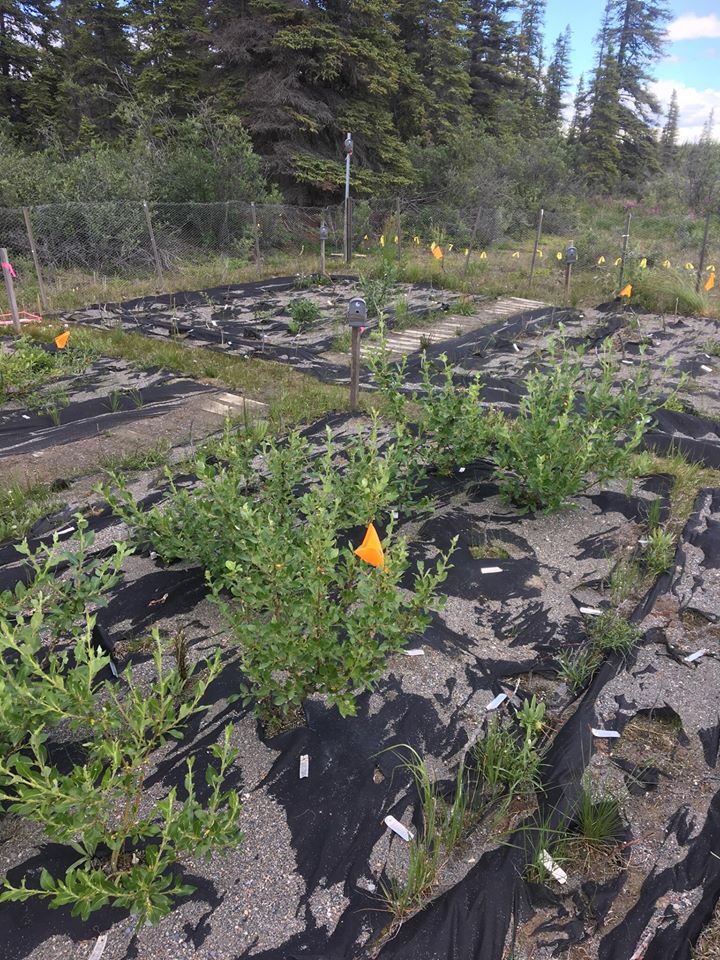
Even more exciting, we are using the cameras to link differences in phenology across the Arctic through our ‘common garden’ experiment in the south of the Yukon. Here we have planted willows collected from across the Yukon to examine whether different populations will respond to change in different ways. One of the biggest differences we have seen so far is that northern populations seem to stick to their ‘home’ growing season: they leaf out late and senesce early compared to southern individuals of the same species growing just 50cm away.

Does the difference in senescence timing explain the difference in growth in these two willows? Willows are of the same species, collected as cuttings in 2013 from a southern tundra site (left) and northern tundra site (right).

At present we can only track phenology changes in the garden thanks to input from more wonderful collaborators – Sian Williams and the folks from Icefield Discovery working down at Kluane Lake. With our new phenocams we can for the first time track differences in phenology over the whole year, not just in our experiment, but at the sites where willows were collected! We think this is the last piece in the puzzle to be able to answer exactly what is going on – whether willows have responded to new conditions, or whether their genes mean that old habits die hard. Our phenocams in the common garden are now installed, and we’ll be installing the remainder at our remote field sites as soon as the summer expeditions get underway. Watch this space!

By Haydn

Haydn is the recipient of a Dudley Stamp Memorial Award on behalf of the Royal Geographical Society (with IBG).

Phenology Week

This week on Team Shrub we are focusing entirely on one aspect of change in the tundra: phenology.

DSC_4746

What is phenology?

Phenology (or “fun-ology” as my wife calls it) is, to put it simply, when things happen. It is the timing of life events.

As a PhD student, gazing out of the office window instead of writing up my thesis, phenology is what keeps the view interesting – when the leaves appear in spring, when the birds hatch, when the berries appear on my walk home, and when the trees turn auburn to mark the end of the year.

As a tundra ecologist, phenology offers a way to track the huge changes we are seeing as the Arctic warms. We track when things happen in our study ecosystems – when the snow melts, the leaf buds burst, the flowers appear, and the leaves begin to turn.

DSCN1900

Why phenology?

Monitoring the timing of life gives us a great deal of information that can shed light on how the tundra is changing, how fast, and what it might look like in the future.

For example, we can use phenology to see whether we are seeing an earlier spring, or longer growing seasons for tundra plants.

We can look at if plants can keep up with earlier snowmelt – and if the birds and the bees can keep up with the plants.

We can look at winners and losers: if some species respond to changes while others don’t, and if that tells us anything about community change in the tundra.

And we can look a little deeper still at whether phenology is somehow ingrained, tied to the genetics of an individual or a species, or whether it can respond to the rapid environmental changes going on in the Arctic.

What’s in store this week?

This week we have five posts focusing on the different ways we measure and monitor phenology at our field sites.

So settle in, reach for the popcorn, and get ready for a wild, wild week of science.

Haydn