New paper published in PNAS!

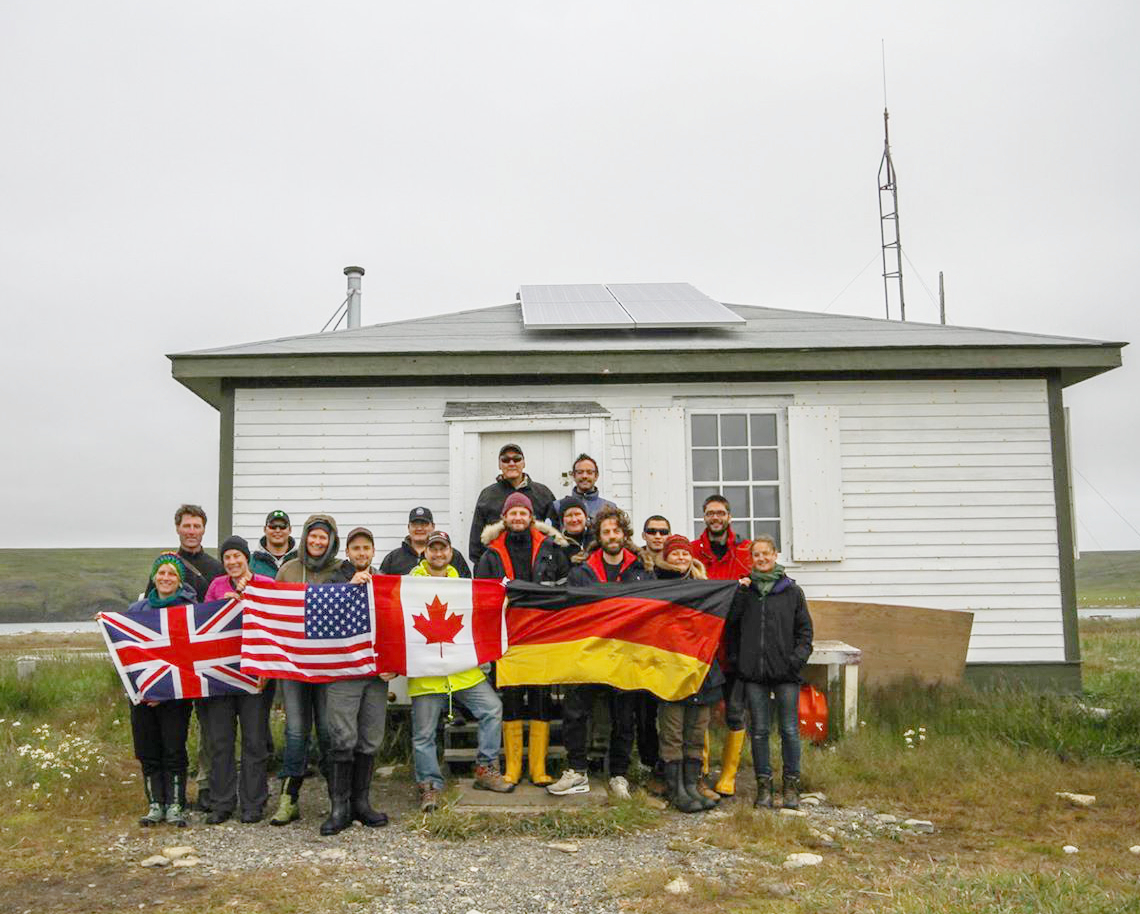
In this paper lead by Sarah Elmendorf, we compared three methods of estimating warming effects on plant community composition: 1) manipulative warming experiments, 2) repeat sampling under ambient temperature change (monitoring), and 3) space-for-time substitution.

The three approaches showed agreement in the increase in the relative abundance of species with a warmer thermal niche, but differed in the magnitude of change estimated. Experimental and monitoring approaches were similar in magnitude, whereas space-for-time comparisons indicated a much stronger response.

These results suggest that all three approaches are valid, but experimental warming and long-term monitoring are best suited for forecasting impacts over the coming decades.

Check out the paper here:

http://www.pnas.org/content/early/2014/12/25/1410088112.abstract
A team shrub photo!

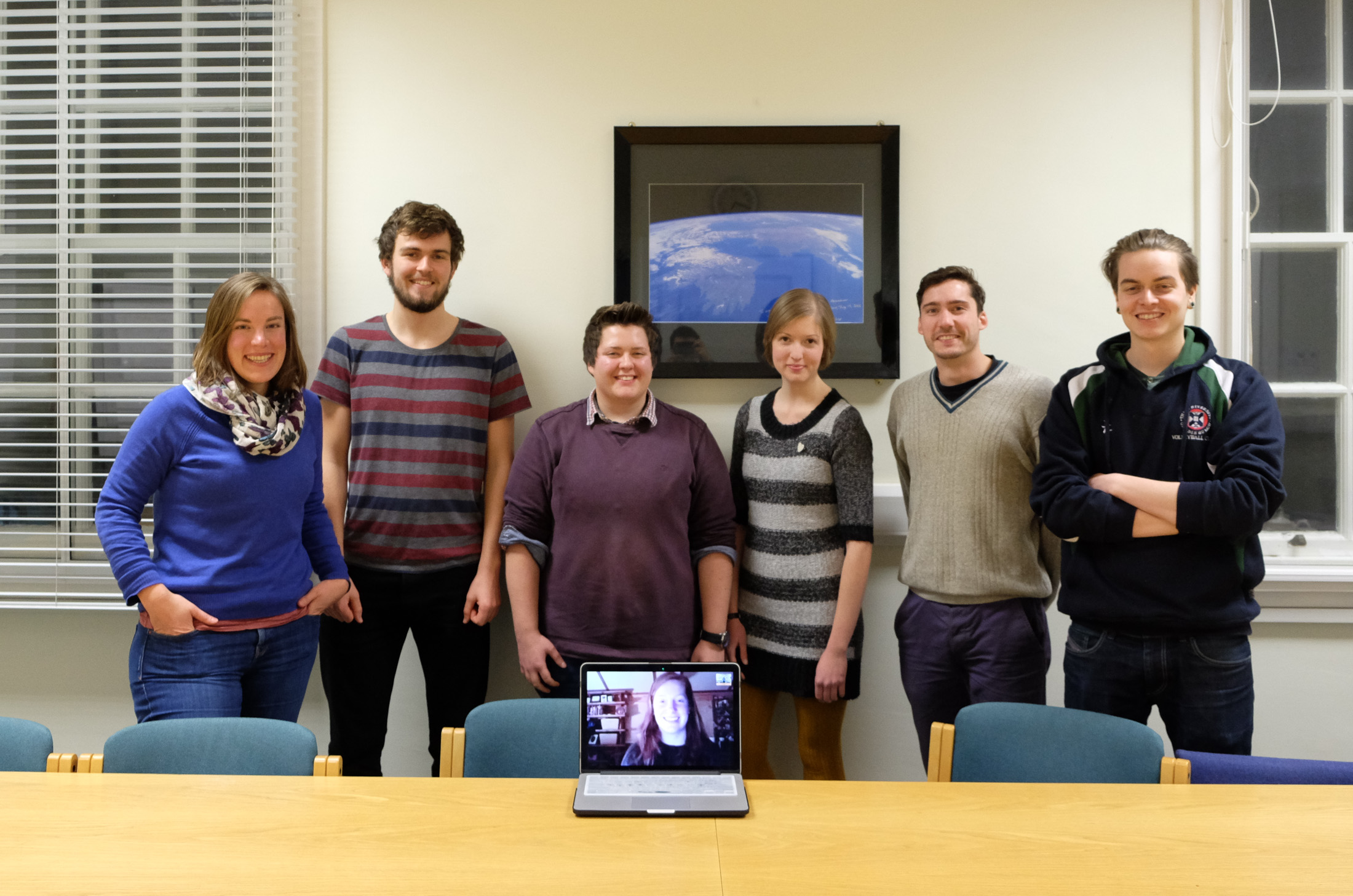
Here is team shrub at our holiday lab meeting looking festive after hot apple cider, mince pies, cranberry scones and Christmas tree-shaped bread!  Delicious!

TeamShrub-1From left to right: Isla, Joe, Jenny, Sandra, Haydn, Santeri and Meagan joining us on Skype (Anne is absent from the photo because she was at the ArcticNet meeting in Ottawa, Canada)

And here is our requisite jumping photo!
TeamShrub-3

Gardening in the common garden experiment

22 July 2014 – Clara and I spent the last two weeks working away in the common garden experiment in Kluane Lake in the Southwest Yukon.  Now we are up in Inuvik and about to head of to Herschel Island for the second part of our field expedition.

Gardening

The field season begins!

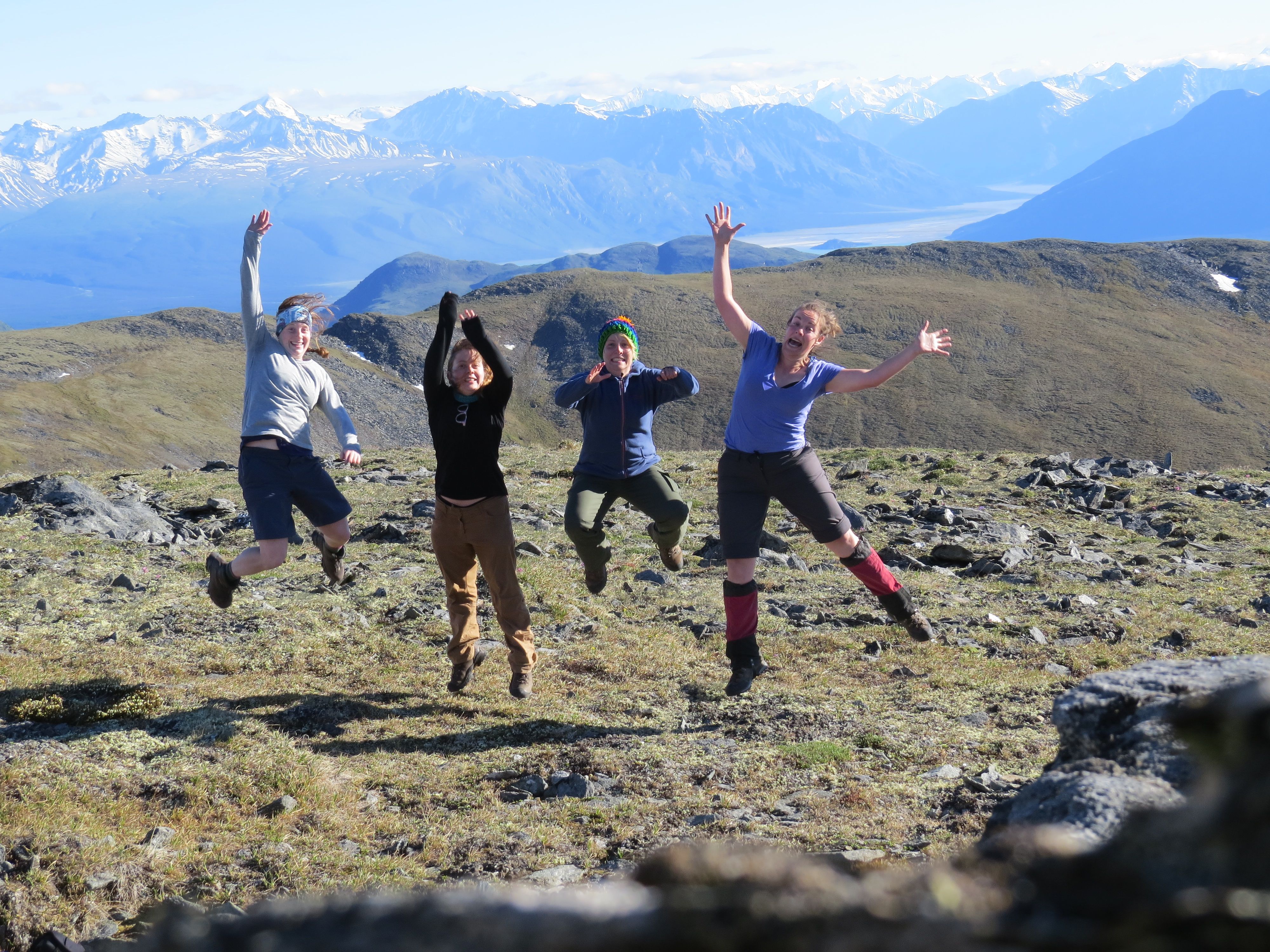
July 2014 – Team shrub including Clara Flintrop, Meagan Grabowski, Meagan’s field assistant Rebecca and me hike into Pika Camp in the mountains of the Southern Yukon to collect willow cuttings for the common garden experiment and to measure plant traits on tundra species.

Team Shrub

Global synthesis of methane studies published

Merritt Turetsky and colleagues have compiled a synthesis of methane emissions from 71 sites around the planet including my MSc data from the Tanana River Flood Plain in Interior Alaska.  The study results suggest that water table and temperature are dominant controls on methane flux in pristine bogs and swamps, while other processes, such as vascular transport are important in pristine fens.  Therefore, methane emissions from different wetland types need to be considered separately in order to accurately estimate global wetland methane release.

Turetsky MR, Kotowska A, Bubier J, Dise NB, Crill P, Hornibrook ERC, Minkkinen K, Moore TR, Myers-Smith IH, Nykänen H, Olefeldt D, Rinne J, Saarnio S, Shurpali N, Tuittila E-S, Waddington JM, White JR, Wickland KP and Wilmking M. 2014. A synthesis of methane emissions from 71 northern, temperate, and subtropical wetlands. Global Change Biology. doi: 10.1111/gcb.12580

Methane

Measuring methane fluxes on the Tanana River Floodplain in Interior Alaska