Bonjour! It’s Sandra here to give you a wee update on what I’ve been up to since I parted with the rest of Team Shrub on Herschel Island two weeks ago. I left with a heavy heart but with the cheering prospect of reuniting with my old research team from Université Laval (the « other Team Shrub », led by Prof. Stéphane Boudreau) for the second half of my field season.
A “get-to-know-your-fieldmates” 18-hour scenic drive and a couple of flights later, we got to Umiujaq, an Inuit village of about 350 people on the coast of Hudson Bay in Northern Québec. The name of the village means « which resembles a boat » because of the cuestas shaped liked traditional Inuit canoes.
A cuesta shaped like an overturned “umiaq”
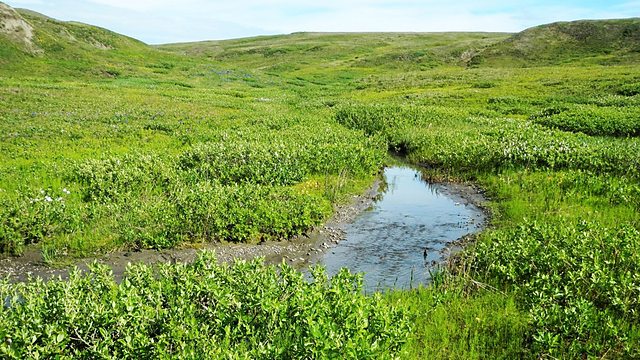
The landscapes of Umiujaq are stunning and very diverse
A glorious sunset welcomed us to Umiujaq on our first night
I have been continuing my quest for root collars here on the other side of Canada, where dwarf birch (Betula glandulosa) is the one and only king of the tundra. My devoted helpers Marianne and Marc-André have valiantly struggled through temperatures ranging from freezing cold to much, much too hot, with continuous clouds of black flies and mosquitos that forced us to eat our lunches in our bug nets.
Stéphane holding an uprooted birch. Like the willows in Kluane, there’s a lot hidden underground!
Shielding our sandwiches from the flies.
The great thing with Umiujaq is that your efforts are often rewarded tenfold, and two nights ago the skies glowed green with a spectacular display of the northern lights. There’s no better end to a long day out!
The northern lights over the Hudson Bay.
I am now off to Salluit, one of the northernmost communities of Northern Québec, for the last stretch of my fieldwork campaign. Meanwhile, Team Shrub will be getting out of Herschel (on the 13th if the weather allows – keep your fingers crossed for them!) and I am sure they will be updating the blog with crazy tales of muskoxen and helicopter rides.
It is our 18th day on Qikiqtaruk-Herschel Island and all is going
swimmingly – sometimes literally as members of the team have been swimming
almost daily in the Arctic Ocean! Our data collection has been going very
smoothly thus far. The drone missions have been very successful, we are
half way through the ecological monitoring, the plant trait samples are
getting collected, and our common garden willows are rooting away (or we
hope they are) in their beer bottles.
The Herschel Island scientific discoveries to date include:
1. Salix pulchra – the diamond leaved or beautiful willow – grows mostly
clonally rather than having clear root collars in the Herschel vegetation
type that is dominant on the island. This could mean that those willows
could possibly be older and much more genetically homogeneous than the
willows from Kluane! – Sandra
Sampling root collars including Salix puchra – the diamond-leafed or beautiful willow.
2. The Komakuk vegetation type that has more cryoturbation – movement of
soil due to freeze thaw processes – also appears to have more green
vegetation than the Herschel vegetation type that is less disturbed.
Interesting… – Jakob
3. The grass species Alopecurus alpinus is a recent invader to the Komakuk
long-term monitoring plots. It first appeared in 2009 and its cover has
increased nearly exponentially in a couple of the plots over the last five
years. So, it isn’t just the shrubs that are increasing on Herschel Island!
– Haydn
4. This year was the earliest green up and flowering year for Dryas integrifolia (Avens), Salix arctica (Arctic willow) and Eriophorum vaginatum
(cottongrass) on record and also a year with very early snow melt. The
creeks are all dry as a result, making it a much drier and more bug free
island that usual. – Qikiqtaruk-Herschel Island Rangers and Isla
The Yukon – where the cottongrass blooms and blows.
There are more scientific discoveries to come including in relation to
herbivory (from Joe) and cottongrass tussocks (from Santeri).
So far the weather has been quite variable from sun, fog, rain, warm and
cold. When the weather has been good and the winds low, then the
researchers can take out the boats to explore other parts of the Island and
Yukon Coast. Yesterday was a rainy day, and Team Shrub stayed inside making
bread, doing data analysis and opening their data presents – revealing the
exciting patterns in their own data and making their scientific discoveries
(see above).
A foggy day.
We have had a few more wildlife sightings including more caribou, some
distant muskox and a super cute baby seal on the beach. We have also had a
visit from the Sir Wilfred Laurier Coastguard Icebreaker and a sailing boat
from London that is crossing the Northwest passage from west to east this
summer. Today, there was a large tug boat with two barges that was seen in
the waters in front of Pauline Cove. I guess Herschel isn’t so remote
after all!
The Sir Wilfred Laurier – the Canadian Coastguard Icebreaker.
As the icebergs come and go from the waters around Herschel Island, so to
do the members of team shrub. Sandra is now far away on the other side of
the Canadian Arctic in Nunavik where she is collecting her root collar
samples from two sites on either side of a 1000km north-south latitudinal
gradient, just like she has been doing here in the Yukon. She is sadly
missed, sigh! And hopefully, later today or tomorrow once the fog clears,
Meagan will be joining us to conduct her internship on the ecological
monitoring programme here on Herschel. We can’t wait for her arrival!
As we have passed the midway point in our trip, it is time to start
celebrating our time together with the other research crews, rangers and
visitors. Tonight a community gathering is planned with games and hopefully
a musical jam session. And, if the forecast wind storm comes on Sunday
(winds of 30 knots), which is too windy for fieldwork, then that might be
the day of the annual Scottish feast in the style of a Robby Burn’s Day
dinner. Team Shrub needs to start planning our menu, speeches and put
together a list of Scots phrases for polite conversation during the meal.
We might even try to track down a caber-sized log on the beach for a bit of
caber tossing!
I will sign off here as the internet connection is slow and the bandwidth
very limited over the satellite phone. Over and out from a rather foggy
Herschel Island in the Canadian Arctic…
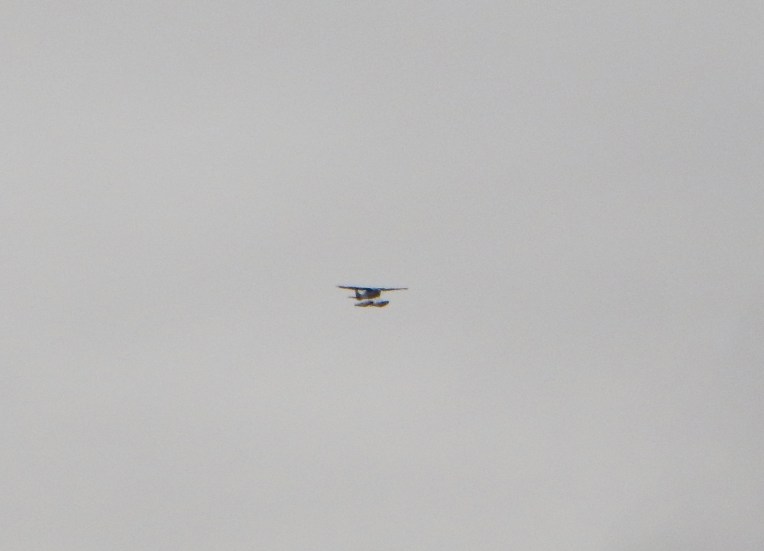
View of Herschel from Meagan’s plane today – almost made it! Will try again tomorrow.View of Meagan’s plane from the ground taken by the Betula sampling crew (Jakob and Santeri) on the Yukon Coast near Herschel Island.
Sent by #TeamShrubvia satellite phone [via Meagan in Inuvik] from Herschel Island on 30 July 2015
As Isla was writing in our previous post, our drone Shrubcopter has taken its maiden flight on Herschel Island and has by now successfully flown a couple of missions. We are all thrilled with the results and very proud of our skilled pilot Captain Jakob Assmann! He has put together this short video so relax, fasten your seatbelt and enjoy your flight!
It is our 10th day on Qikiqtaruk-Herschel Island and our 38th day in the Yukon, or so Joe was telling us today. I have completely lost track of time myself: the date, day of the week and time of the day. In fact, now we are living on Herschel time, which is a flexible time zone about an hour or so later than Alaska time, two hours or so later than Pacific Summer Time and about three hours later than Mountain Summer Time (the time in Inuvik).
Since the sun never sets and the long evenings of midnight sun are so beautiful, it feels quite natural to get up as the sun is getting higher in the sky (10:30am Inuvik Time) and go to sleep as it crosses over the horizon behind the hills of Herschel Island to the north of Pauline Cove (3am Inuvik Time).
Evening in the Arctic at Pauline Cove on Qikiqtaruk – Herschel Island
We have left our first Herschel home of the Signals House and are now installed in the Team Shrub room in the Hunter’s and Trappers cabin. Our new room is decorated with a Welsh Flag, our science and cooking schedules, our library of books and of course all our science gear, including the drone laboratory.
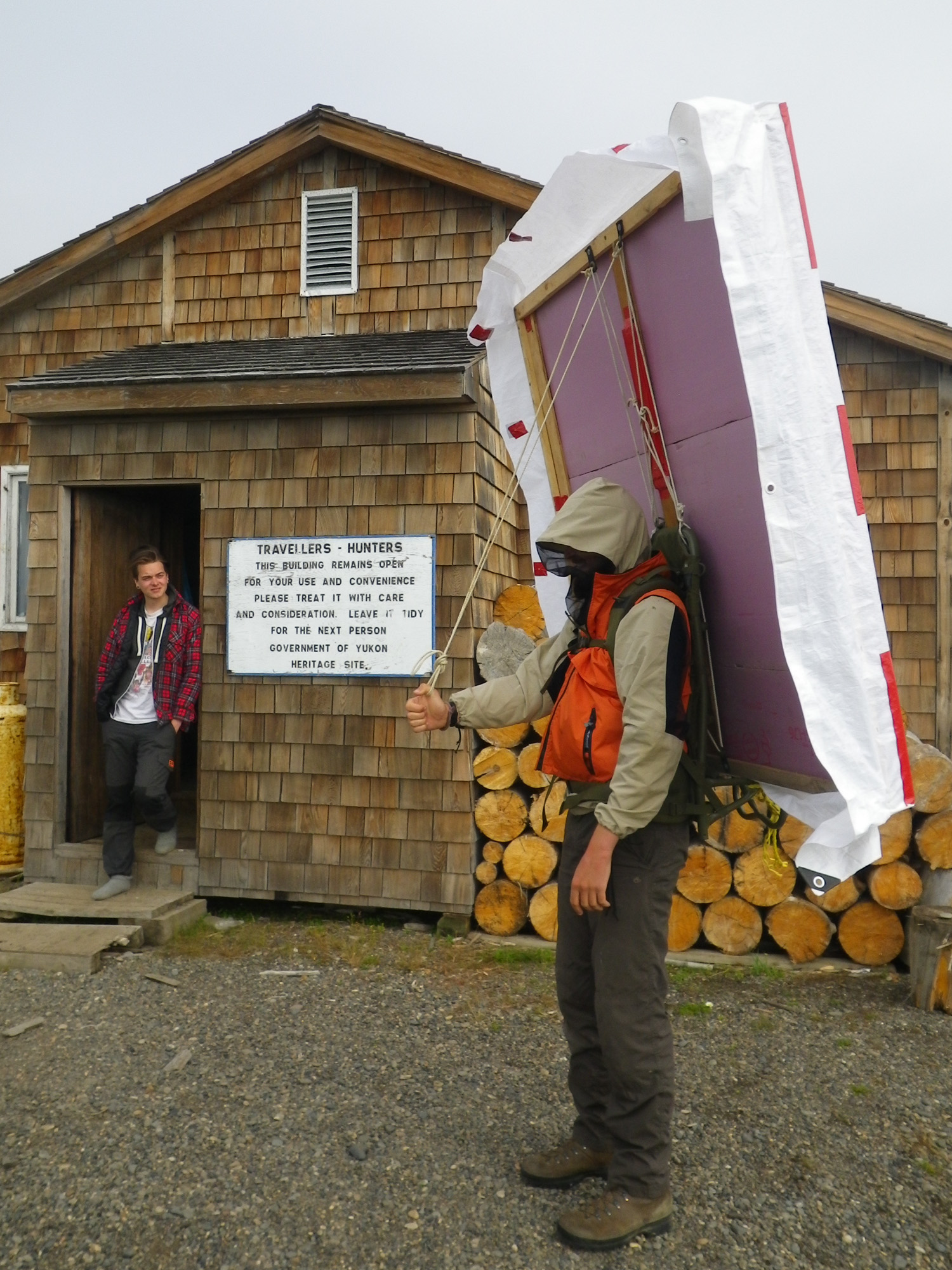
Our new home, the Hunter and Trapper’s Cabin and Joe carrying the drone landing pad.
Herschel is not an uninhabited Arctic Island at the moment. This evening there was a potluck BBQ with the assembled masses on the island of rangers, Yukon Government Archeologists, Heritage preservation experts, Parks staff and researchers from the Alfred Wegener Institute and elsewhere. In fact, I have never seen Herschel Island as busy and filled with people as it is right now with around 30 visitors and residents.
Tomorrow Sandra will be leaving us. Sigh! The first departure from our tight Team Shrub Crew. She managed to collect all of her dendro samples after over a week of long days of measuring, mapping and digging. Thankfully, the recent weather has been beautiful and sunny, but windy enough that the bugs haven’t been bad at all, meaning great conditions for doing fieldwork.
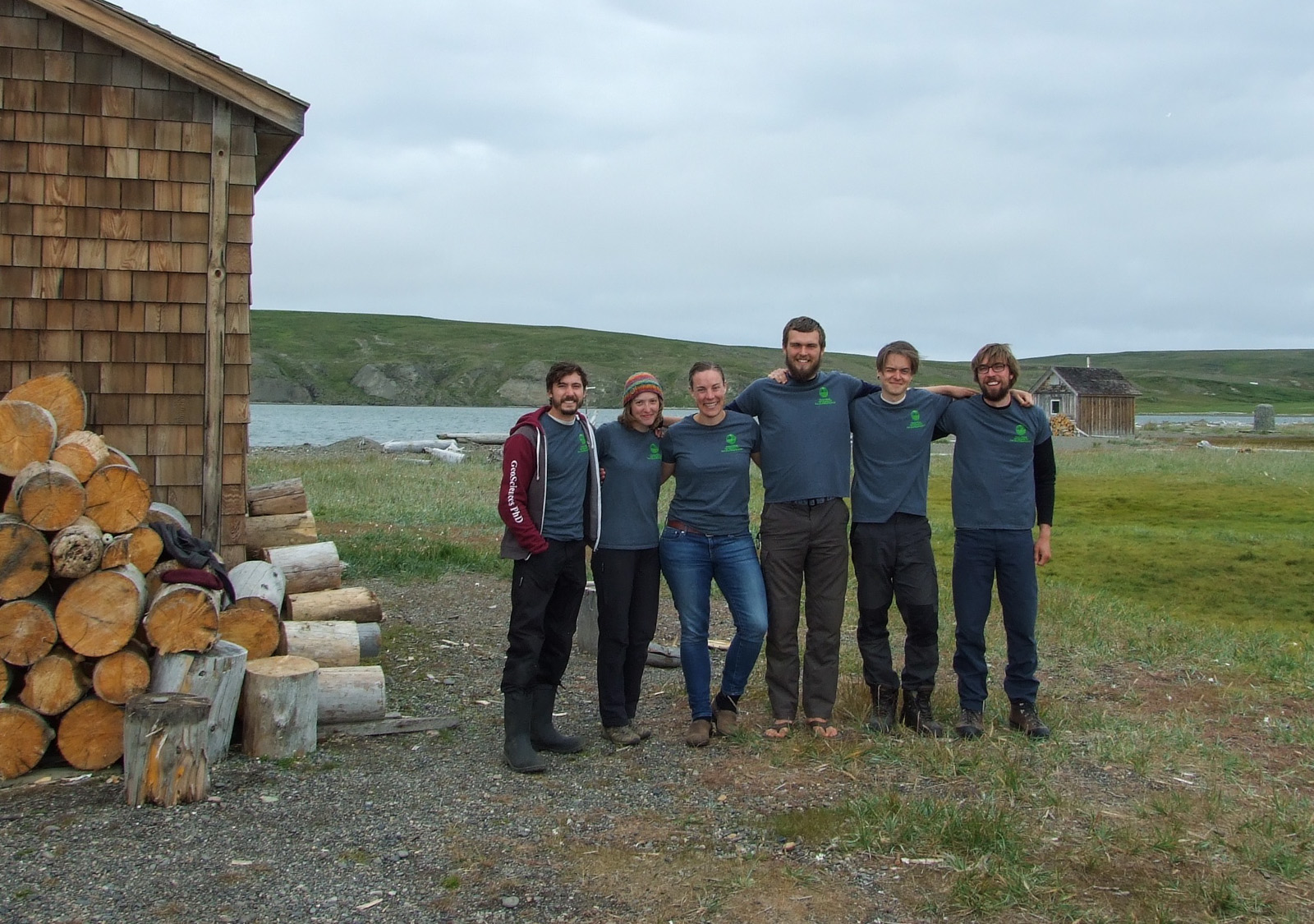
Proudly sporting our brand new Team Shrub t-shirts
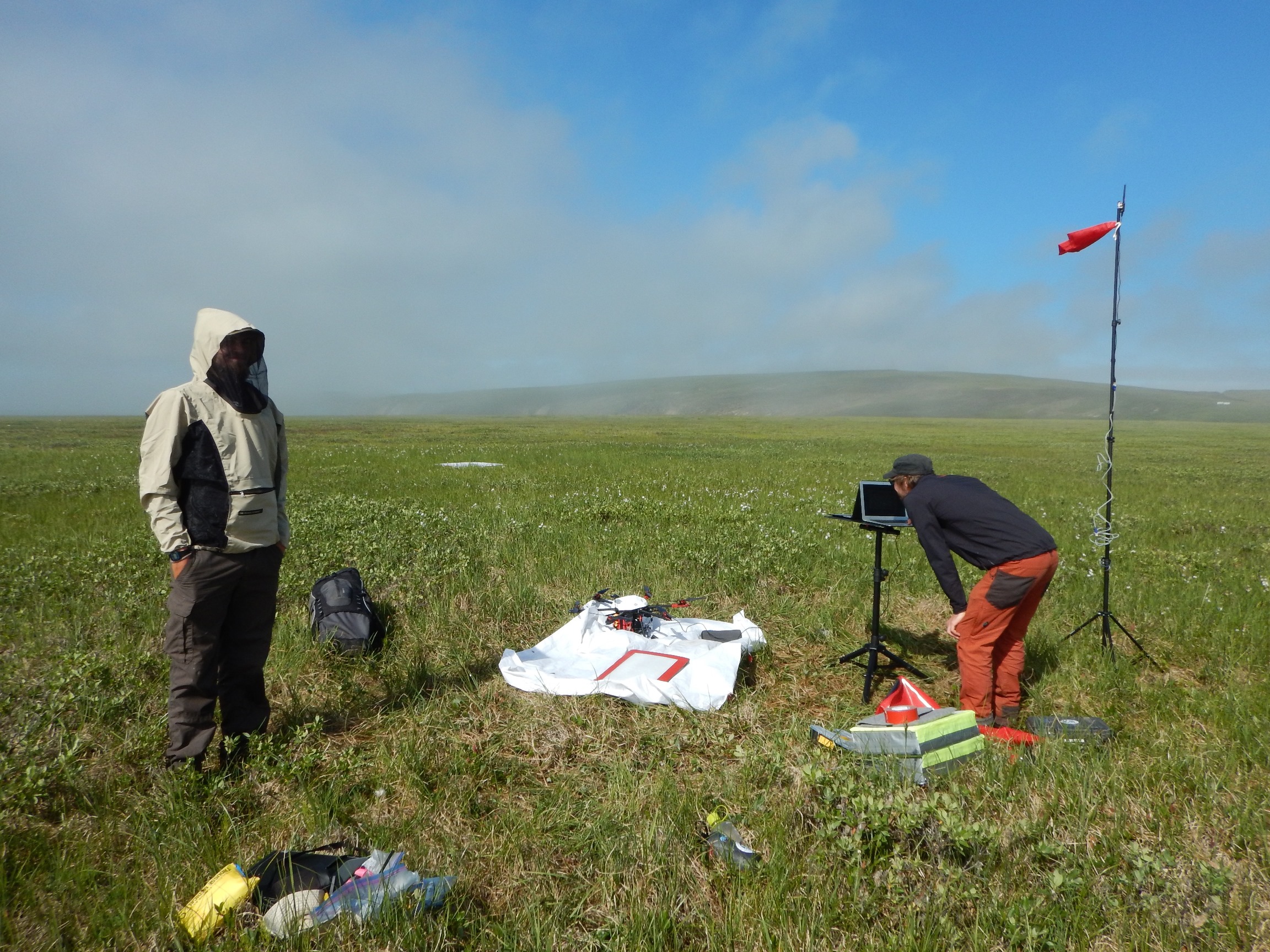
The excitement of the past few days has been the inaugural flight of the Shrubcopter north of the Arctic Circle. Shrubcopter’s very first tundra flights were a series of post-transfer maintenance checks (a.k.a. test flights). Then today the Shrubcopter collected its first real data in a series of NDVI mapping transect flights using the autopilot.
The first day of drone flying! Our test flights.
Initially, there was a bit of fear in the pit of my stomach as our intrepid pilot Jakob switched on the autopilot and the drone headed off on it’s own to the pre-programmed GPS points. Now after eight flights my fears are starting to wear off and I am beginning to believe in our trusty drone, its flight control system and, of course, the pilot who always has things under complete control!
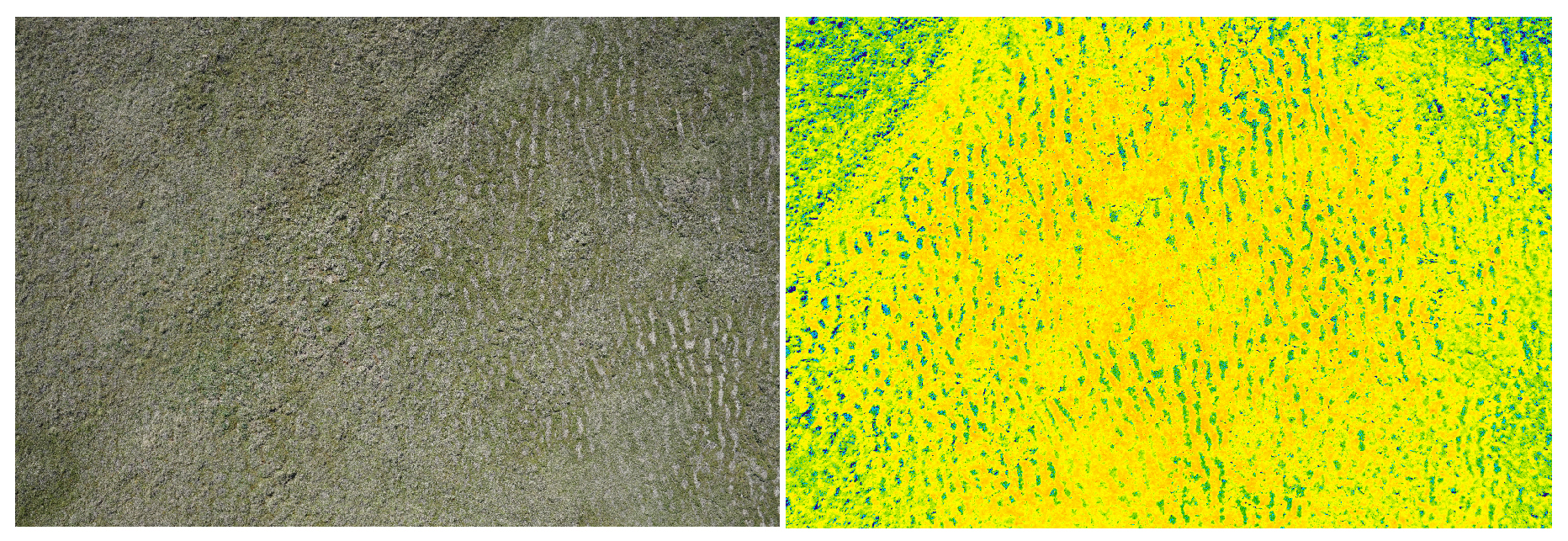
We now have awesome photos (NDVI and true colour) and videos of regions of the island to test which vegetation type is most green and have undergone the most greening over the past two decades. We are using our drone data to ground truth the greening signal that satellites are observing all around the Arctic biome.
A true colour (left) and Normalized Difference Vegetation Index (NDVI, right) image of the Herschel and Komakuk vegetation types on Colinson Head.
The Root Collar Crew has been having so much fun that a series of botanically-themed songs have been written including an aria about Stellaria (Stellaria longipes), The Tundra King (about Betula nana), Beautiful Willow (about Salix pulchra), Old Man Willow Blues (about Salix richardsonii) and Ledum (about Rhododendron groenlandicum – formerly Ledum groenlandicum). We gather that Haydn is going to be putting together an entire album of tundra-themed melodies.
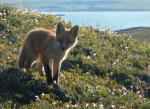
Our time on Herschel Island has been punctuated by amazing Arctic moments such as seeing icebergs floating down the coast on the north winds, and the pod of around 100 beluga whales that swam past the island this evening as we ran over to greet them on the outer beach of the spit at Pauline Cove. We have seen caribous, a rough-legged hawk nest with chicks, peregrine falcons, a short-eared owl, a family of foxes including six kits, voles, lemmings – including our favourite Ernest Lemmingway – and more.
Belugas swimming by – and a family of eider ducks
A curious fox kit
A caribou walking over the ridge in Colinson Head
Tomorrow has now arrived and the Twin Otter is on it’s way, so I better sign off here, so that this blog post can make it’s way back to civilization and internet connection.
Peace out from Team Shrub!
Santeri with caribou antlers
Jakob in a cloud of mosquitos!
Sandra looking down in our “freezer”: a cave dug in the permafrost!
This week’s serving of Murphy’s law came in the forms of postal delays and mangey feet, meaning that two of us remain on mainland Canada, while the rest of the team head into wherever the sun is meant to be setting.
After delays at every level of Incompetence & Error Logistics Ltd. (other delivery services are available) Jakob’s drone finally arrived, just in time for us to postpone one of our charter flights. Despite Isla and Jakob spending hours – maybe even a day – calling couriers, we’re still waiting for equipment. The camera, which is supposedly arriving tomorrow, has pushed back the flight a second time, meaning I have to spend a few more days catching up on season 3 of ‘Orange is the New Black’. Joy.
As for the feet, there’s a bunch of gross stuff happening and I’m on some (delicious) antibiotics, but I’ll spare you the details – I don’t want to think about It and neither should you.
It was a very early start with lots of running around, packing and unpacking of truckloads of gear and some stresses. But in the end we got on the plane and left our worries and e-mails behind us and flew off for our next fieldwork adventure. It was cloudy and misty in Inuvik when we left, but as our plane flew out across the Mackenzie Delta the clouds parted revealing a sunny Beaufort Sea with the odd beluga whale swimming through the waters below us.
We arrived on Herschel to a welcome crew of Richard Gordon (Head Warden), Ricky and Sam (Rangers) who helped us to unload our plane of it’s 2400 lbs of gear and food. We are all set up now in the Researchers Cabin our temporary home on Herschel until the AWI crew arrives.
Since arrival we have stored our food in the permafrost, taken an icehouse selfie, been attacked by clouds of mosquitos, gone on a short boat ride to blow the bugs away, been filmed by a drone, and met lots of new folks from the film crew (more info here) and locals visiting the island. The late evening sun is still high in the sky and the waters are sparkling and still as I look out the window of the researcher’s cabin.
It is wonderful to be back on Herschel Island again and to get to share this magical place with the Team Shrub 2015 research crew!!! We can’t wait for TeamShrub to be reunited when Jakob and Joe join us hopefully asap.
Next up after our delicious dinner will be a sauna and a swim in the Arctic Ocean!!! Woohoo!
Send by #TeamShrubvia satellite phone from Herschel Island on 13 July 2015
The BBC World Service’s Science in Action programme will air a special episode on global warming and the arctic tundra today at 18:32 GMT (19:32 BST) featuring Isla and the findings from her latest Nature Climate Change research paper.
Click here to listen to a short clip of Isla from the episode!
It was finally time to for us to say goodbye to the ‘balls of sun’ of Kluane, pack our warm clothes and get ready to head to the far North. Packing meant reshuffling bags, storing away our fresh samples, ticking checklists and saying goodbye to the many old and new friends that we met over the last three weeks.
Though not all was work and sad goodbyes. The evening before our departure we drove east past Christmas Creek to a small lake, where we had heard that one could see the American beaver, Canada’s most noble mascot. We were not disappointed: soon after our arrival, an adult Castor canadiensis banged its tail on the water to warn his two fellows we were there.
Canada’s most noble mascot munching away on some unidentifiable water plants.
But more was to come: early the next morning Tom the pilot from icefielddiscovery took us up to the St. Elias Icefields and the foot of Mt Logan in a small Helio Courier – the best plane out there for high altitude landings and takeoffs! The St Elias range houses the world’s largest non-polar icefields, Mt Logan the largest mountain in Canada and (what shall I say..?) the largest mountain in the world by girth. All those superlatives meant blue glacial lakes, steep rocky mountains and snow topped plateaus as far as the eye can see.
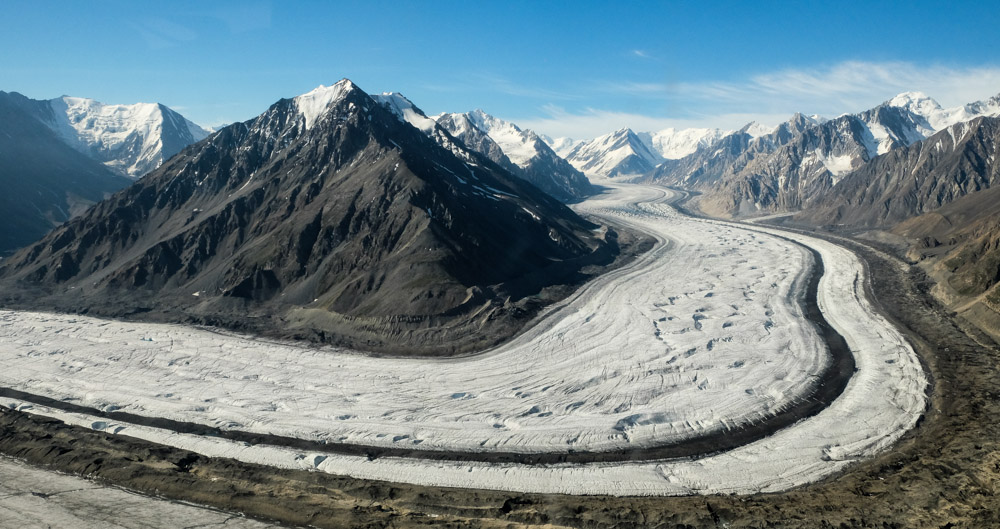
The Kaskawulsh Glacier
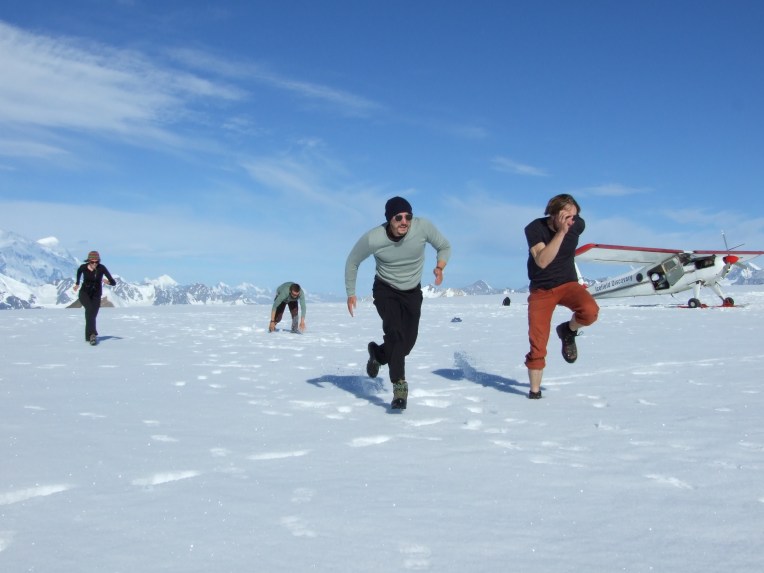
Once landed Joe took his shoes off and we all followed suit. According to Tom, it was the first ever barefoot walk he had witnessed on the icefields. To warm up we raced across the crunchy snow and enjoyed the heat of the sun.
Racing on the ice field
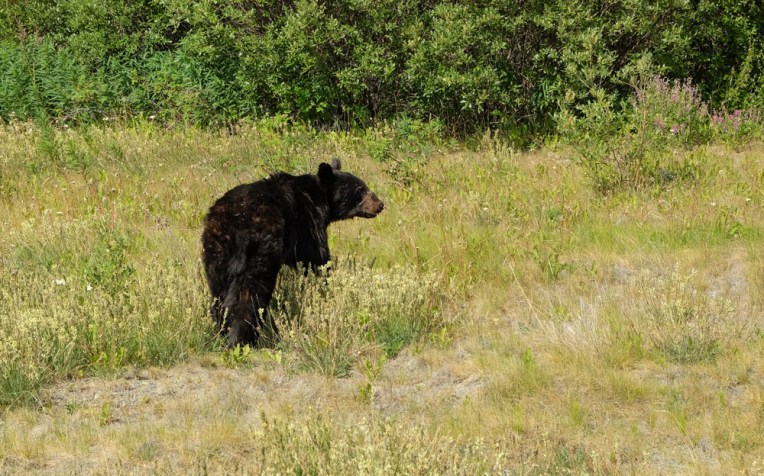
Back at Base we finished our final tasks, stuffed our backs and hit the Alaska Highway back to Whitehorse. The three hour drive was spiced up by an unexpected sighting of a black bear enjoying the soapberries on the roadside and a stop at The Frosty Freeze in Haines Junction for ice cream.
The Brown Bear just off the Alaska Highway
We arrived in Whitehorse in the evening, where we met up with Santeri – the last team shrub member to arrive in the Yukon – and Meagan: finally, Team Shrub was complete! After another day of shopping, packing and brainstorming science we’re now ready for our journey North and the early, early start tomorrow morning.
By Jakob
Crevasses and melt water ponds on the Kaskawulsh Glacier
Team Shrub in the Helio Carrier
The Helio Carrier on top of the St. Elias icefields
The latest publication from the ShrubHub Network is published today in Nature Climate Change! This is the culmination of an over five year effort to synthesize the growth of tundra shrubs at sites around the Arctic. We found high but variable temperature sensitivity of shrubs at sites around the tundra biome with higher climate sensitivity at sites with greater soil moisture and for taller shrubs (e.g., alders, willows) growing at their northern or upper elevational range edges. Overall, the climate sensitivity of shrub growth was greatest at the boundary between the low and high Arctic, where permafrost is thawing and the majority of the global permafrost soil carbon pool is stored. Thus, the greatest climate responses of tundra shrubs might occur in the parts of the Arctic where the greatest climate change impacts and feedbacks are expected to occur.
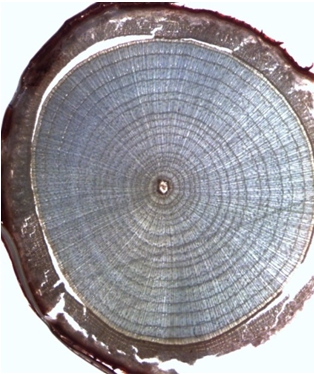
Tundra shrubs in the alpine of the Kluane Region of the Yukon Territory where we have just been conducting our fieldwork (see blog posts below).Annual growth rings, a.k.a “shrubrings” in a tundra willow used test the climate sensitivity of shrub growth.




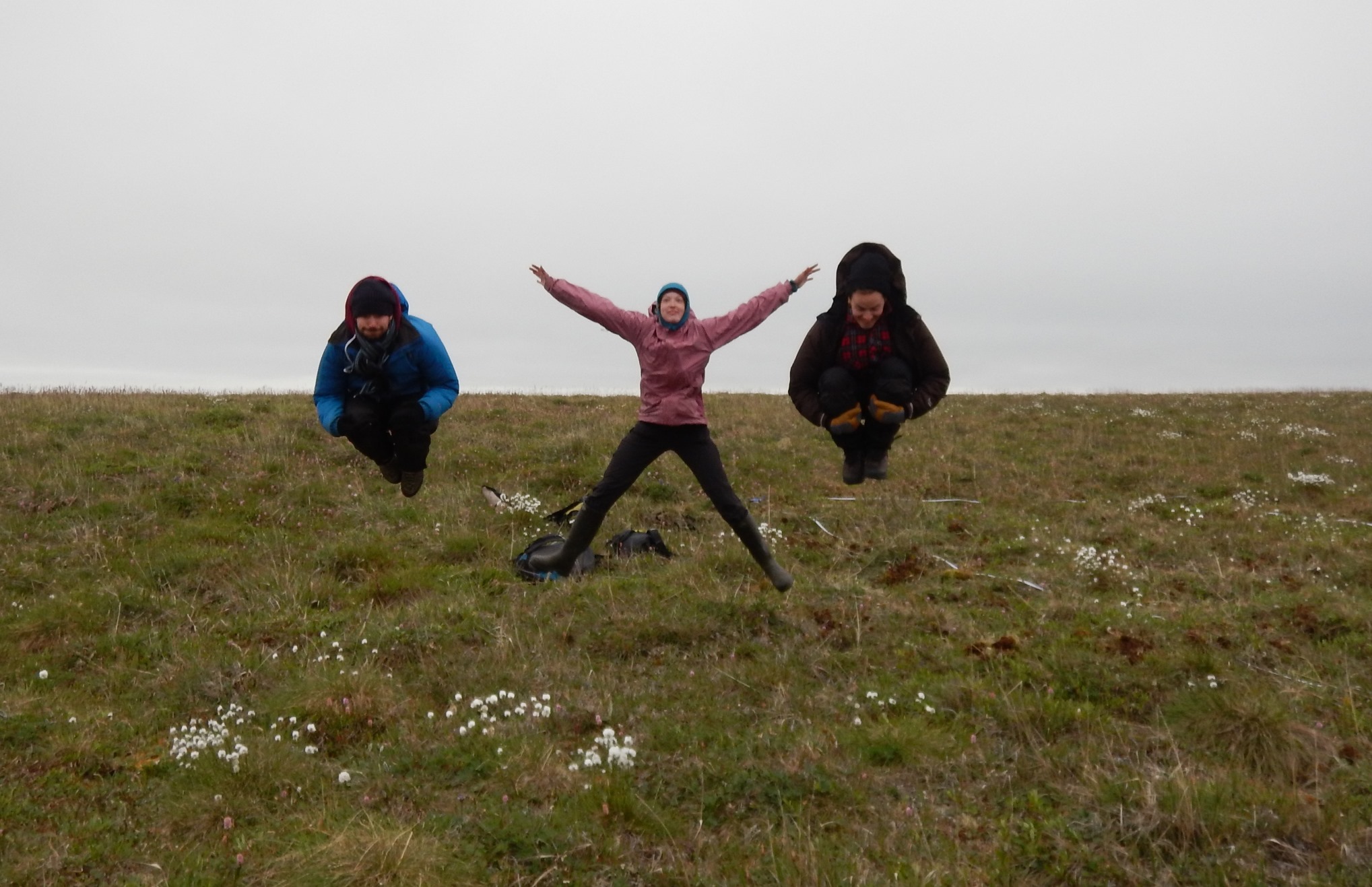


 The BBC World Service’s Science in Action programme will air


 Team Shrub